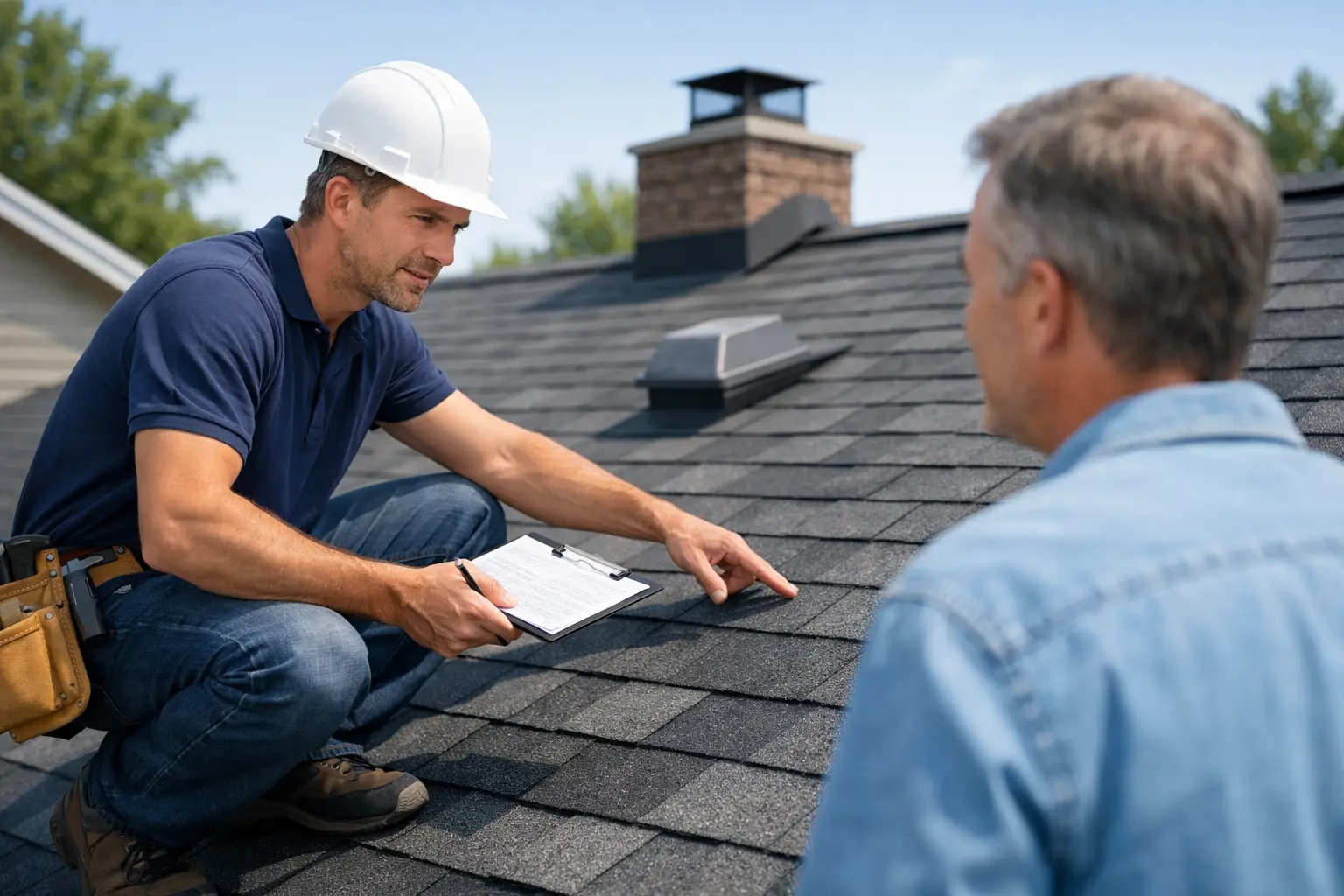
A new roof can cost thousands of dollars, so the paperwork matters almost as much as the shingles. When homeowners ask for a roof workmanship warranty explained in plain English, they are usually trying to answer one practical question: if something goes wrong, who is responsible?
That question matters even more in the Memphis area, where heat, wind, heavy rain, and storm activity can test a roof fast. A warranty should give you confidence, not confusion. The catch is that many homeowners hear the word warranty and assume every problem is covered. That is rarely true.
Roof workmanship warranty explained: what it actually means
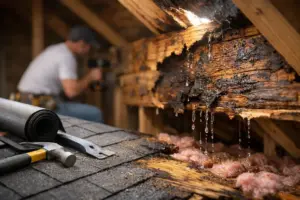
A workmanship warranty covers installation errors made by the contractor. In simple terms, it is the roofer standing behind the quality of the labor. If flashing was installed incorrectly, if a leak develops because a component was not properly sealed, or if part of the system fails because the crew did not follow the required installation method, that is generally where a workmanship warranty comes into play.
This is different from a manufacturer warranty. A manufacturer warranty usually covers defects in the roofing materials themselves. If shingles are faulty or a product fails prematurely because of a manufacturing problem, that claim typically goes through the manufacturer, not the installer.
Those two warranties work together, but they do not cover the same thing. One protects you from bad materials. The other protects you from bad installation. If either piece is weak, the homeowner carries more risk.
Why workmanship coverage matters more than many homeowners realize
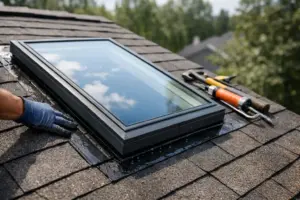
Most roofing issues are not caused by a dramatic product defect. More often, they come from details. A roof can look great from the street and still have vulnerable areas around valleys, penetrations, chimneys, skylights, or roof-to-wall transitions.
That is why workmanship matters so much. Roofing is a system, not just a stack of shingles. Proper ventilation, underlayment placement, flashing details, fastener pattern, and drainage design all affect how the roof performs over time. Even premium materials can fail early if the installation was rushed or careless.
For homeowners, that means the contractor matters just as much as the brand of shingle. A strong workmanship warranty is one sign that the company is confident in its crews, process, and quality control.
What a roof workmanship warranty usually covers
Coverage depends on the contractor and the exact written terms, but most workmanship warranties are intended to address problems tied directly to installation. That often includes leak issues caused by improper flashing, fastening errors, incorrect material placement, or failure to install the roof to code and manufacturer specifications.
It may also cover certain labor costs needed to correct those installation mistakes. In stronger warranty programs, the contractor will inspect the issue, identify whether it is workmanship-related, and complete the repair at no added cost during the warranty period.
The key phrase is workmanship-related. If the problem comes from labor, the warranty should respond. If it comes from something else, coverage may not apply.
What it usually does not cover
This is where homeowners can get caught off guard. A workmanship warranty does not mean every roof problem is free forever. Most do not cover storm damage, fallen limbs, hail impact, high-wind events beyond rated limits, foot traffic from other trades, pest damage, or problems caused by neglect.
They also may not cover changes made after the install. If a satellite dish, solar attachment, HVAC work, or another contractor alters the roof, that can create a gray area. The same goes for interior damage from a leak. Some workmanship warranties cover the roofing correction itself but not drywall, paint, flooring, or personal property.
Maintenance is another common issue. If a roof needs normal upkeep and that upkeep is ignored, a claim may be denied. Gutters packed with debris, poor attic ventilation, and unrepaired minor damage can all affect how a warranty is interpreted.
Roof workmanship warranty explained by term length
One of the first things homeowners notice is the number of years attached to the warranty. You may see one year, five years, ten years, or longer. A longer term can be a good sign, but it is not the only sign that matters.
A ten-year workmanship warranty is not automatically better than a five-year warranty if the language is vague, the company is hard to reach, or exclusions are buried in fine print. On the other hand, a shorter written warranty from a reputable local contractor with certified crews and a clear service process may offer more real-world value than a longer promise from a company that disappears after the job.
The best way to view term length is as one part of the bigger picture. Duration matters, but clarity, enforceability, and contractor stability matter just as much.
Questions to ask before you sign
A warranty should be read like part of the roofing system, not an afterthought. Before approving a roof replacement or repair contract, ask who provides the workmanship warranty, what specific issues are covered, how claims are handled, and whether coverage is transferable if you sell the home.
You should also ask what can void the warranty. That one question often reveals how transparent a contractor really is. If the answer is unclear, or if the company avoids providing written terms before the job begins, that is a warning sign.
It also helps to ask whether the crew follows manufacturer-required installation methods and whether the company uses certified installers. If the installation does not meet manufacturer standards, a material warranty claim can become harder to pursue later.
Why the contractor behind the warranty matters
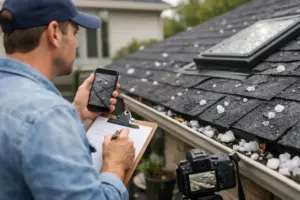
A warranty is only as dependable as the company standing behind it. Homeowners sometimes focus on the document and forget to evaluate the business itself. But if a contractor is difficult to reach now, vague in the estimate, or careless during inspection, that same pattern may show up when warranty service is needed.
Look for signs of operational discipline. Clear itemized estimates, written scope of work, documented inspections, cleanup standards, and professional communication all matter. So does local presence. A contractor serving Memphis and surrounding communities should understand regional weather demands and be available when fast service is needed after a storm or leak event.
This is also where manufacturer certifications can add confidence. They do not replace a workmanship warranty, but they suggest the contractor has met certain training or installation standards. That can reduce the chance of avoidable errors in the first place.
Common misunderstandings homeowners have about roofing warranties
One common misunderstanding is thinking the manufacturer covers everything. Another is assuming any leak means the roof was installed wrong. Sometimes a leak comes from storm damage, old flashing tied into an adjacent structure, or another part of the home envelope.
Homeowners also sometimes assume verbal promises count the same as written terms. They do not. If warranty language is not documented, it becomes much harder to enforce. A dependable contractor should be comfortable putting warranty coverage in writing before work starts.
Another misunderstanding is believing newer always means worry-free. Even a brand-new roof can have problems if details are missed. That is exactly why workmanship coverage matters.
What a strong warranty experience should feel like
A good warranty process should feel straightforward. If a concern comes up, the contractor should respond promptly, inspect the issue, explain what they found, and tell you clearly whether it falls under workmanship coverage, manufacturer coverage, or storm-related insurance.
That kind of clarity reduces stress. It also helps homeowners avoid paying twice for the same problem. Precision Roofing & Exteriors emphasizes written workmanship warranties for exactly this reason – homeowners deserve to know what is covered and what support looks like after the job is done.
When you compare roofing proposals, do not treat the warranty as a footnote. Read it with the same care you give the price, materials, and timeline. A roof is there to protect your home every day, and the workmanship warranty should protect your confidence just as reliably.
The best roofing decision is usually not the cheapest bid or the longest promise on paper. It is the contractor who installs the system correctly, explains the warranty clearly, and is still there when you need help later.