A roof problem rarely shows up at a convenient time. It starts with a ceiling stain after a Memphis storm, a shingle in the yard, or that uneasy feeling when your roof is pushing past its expected lifespan. In those moments, understanding certified roofing contractor benefits can save you from a rushed decision that costs more later.
For homeowners, certification is not just a badge on a website. It usually means the contractor has met manufacturer standards, completed product-specific training, and is held to installation requirements that affect warranty coverage and long-term roof performance. That matters when your home is taking on heat, wind, humidity, heavy rain, and the occasional severe storm that can test every part of the exterior.
Why certified roofing contractor benefits matter
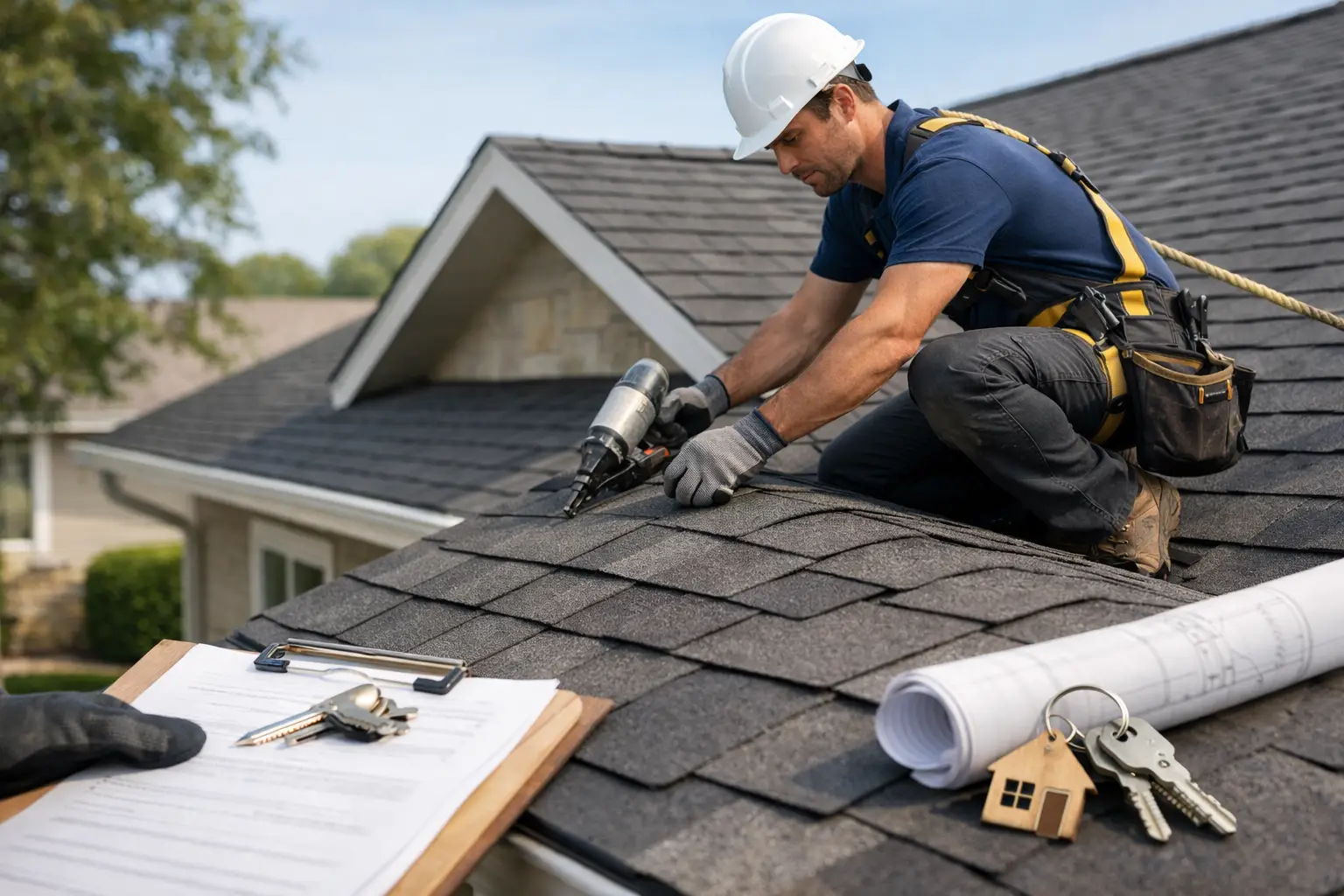
Not every roof replacement or repair is equal, even when the materials appear similar on paper. A certified contractor has typically been trained to install certain roofing systems according to manufacturer specifications, local building code, and best practices developed through real field experience. For a homeowner, that can translate into fewer shortcuts and a lower chance of preventable issues.
The biggest advantage is accountability. Certification often requires contractors to maintain licensing, insurance, reputation standards, and ongoing training. That does not mean every non-certified roofer does poor work, and it does not mean certification guarantees perfection. It does mean there is another layer of oversight behind the crew working on your home.
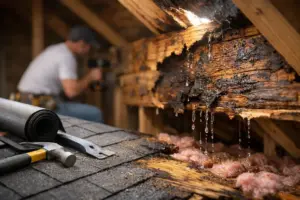
When a roof is installed incorrectly, problems may not show up right away. Ventilation errors, flashing mistakes, or improper shingle placement can take months or years to reveal themselves. By then, the cost is no longer just a roofing concern. It can become an attic, insulation, drywall, or framing issue.
Better warranty protection starts with proper installation
One of the most practical certified roofing contractor benefits is stronger warranty access. Many manufacturers offer enhanced warranties only when their products are installed by certified contractors. That can include broader material coverage and, in some cases, workmanship protection backed by the manufacturer rather than only the installer.
This matters because warranty language can be narrower than many homeowners expect. A standard material warranty may cover product defects but not installation mistakes. If the roof was not installed according to manufacturer requirements, even a valid material claim can become more complicated.
A certified contractor helps close that gap. They know the accessory products, underlayment requirements, ventilation standards, and application methods tied to that roofing system. The result is not just paperwork. It is a roof assembly designed to qualify for the coverage you thought you were getting.
Code compliance and local weather readiness
In the Memphis area, a roof has to do more than look good from the street. It has to stand up to intense summer sun, sudden wind events, heavy downpours, and the kind of storm activity that can turn a minor weakness into a major leak. Certified contractors are generally more disciplined about the details that support performance under real conditions.
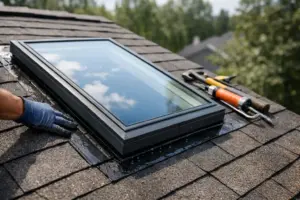
That includes proper flashing around chimneys, skylights, and wall intersections, correct nailing patterns, ventilation balance, and drainage planning. These are not small technicalities. They are the details that help protect decking, reduce moisture buildup, and prevent water from finding its way into vulnerable areas.
Code compliance matters here too. Building requirements exist to protect homeowners, but they change over time, and older homes may need updated approaches during replacement. A certified contractor is more likely to stay current and explain what needs to be brought up to standard, rather than simply covering over problems.
A more reliable process, not just a better roof
Homeowners are not only buying shingles. They are buying communication, scheduling, jobsite safety, cleanup, and confidence that the work will be completed without unnecessary stress. This is one area where certification often overlaps with professionalism.
Manufacturers do not want their name attached to contractors who create constant complaints or cut corners in full view of the customer. Because of that, certified companies often have stronger internal processes for inspections, estimates, documentation, and final walkthroughs. They tend to be better prepared to explain what they found, what your options are, and why one solution makes more sense than another.
That does not mean every project is simple. Some roofs have hidden deck damage. Some storm claims move slowly. Some homes need coordinated work across gutters, siding, or skylights. But a contractor with a structured process can make a complex job feel manageable instead of chaotic.
Certified roofing contractor benefits during storm damage claims
After a storm, many homeowners are dealing with more than damaged shingles. They are dealing with urgency, insurance questions, and the pressure to make a decision quickly. This is where certified roofing contractor benefits become especially visible.
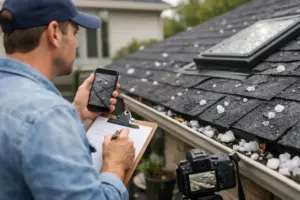
A qualified certified contractor usually knows how to document damage clearly, identify issues adjusters look for, and provide detailed estimates that match the actual scope of work. That can help reduce confusion and keep important repair items from being overlooked.
It is also a safeguard against the opposite problem: overselling. Storm season can bring in out-of-town crews who push fast contracts before homeowners have time to compare options. A reputable certified local contractor has more incentive to protect their standing in the community. They are far more likely to focus on what your home actually needs and what your policy may or may not cover.
Material quality works best with trained installation
Homeowners often compare shingle brands, impact ratings, and colors, which makes sense. Materials matter. But premium materials do not perform as intended if they are installed poorly.
That is one of the less obvious certified roofing contractor benefits. Certification usually means hands-on familiarity with specific product lines, recommended accessories, and installation sequencing. The crew is not guessing their way through a system they rarely use. They understand how the parts are meant to work together.
This can be especially important if you are investing in architectural shingles, upgraded underlayments, better attic ventilation, or a roofing system designed for stronger weather resistance. If you are paying for a higher standard of protection, the installation quality has to match.
It can protect your home’s long-term value
A roof replacement is one of the bigger investments many homeowners make, so it should support resale value, curb appeal, and future insurability. A certified contractor can help on all three fronts.
First, documentation is often better. You are more likely to receive detailed estimates, product records, warranty information, and final paperwork that proves the job was completed professionally. That can be useful if you sell your home or need to show an insurer what was installed.
Second, the workmanship tends to present better. Straight lines, matched accessories, clean flashing details, and thorough cleanup all affect how buyers and appraisers perceive the property. A roof should not look like an afterthought.
Third, certified installation can lower the chance of short-term callbacks. That is not a small issue. A roof that leaks a year after replacement does not just create repair costs. It chips away at confidence in the whole investment.
What certification does and does not mean
It helps to be clear-eyed here. Certification is a strong positive sign, but it should not be the only factor in your decision. Homeowners should still ask about insurance coverage, local experience, crew supervision, cleanup standards, financing options, and written workmanship warranties.
You should also ask which manufacturer certifications the contractor holds and what those credentials actually allow. Some certifications are entry-level, while others reflect a longer track record and access to stronger warranty options. The difference matters.
Local reputation matters too. A certified contractor with real roots in the Memphis area is usually a safer choice than a company that appears after a storm and disappears once the checks clear. You want a team that will answer the phone months later if you have a question.
Choosing a contractor with confidence
If you are comparing roofing companies, look beyond price alone. A lower bid can sometimes reflect lighter materials, skipped components, or less experienced labor. A higher bid is not automatically better either. The goal is to understand what is included, what protections come with it, and whether the contractor has the credentials to deliver what they promise.
For many homeowners, the right choice is a contractor who combines certification with clear communication, itemized estimates, strong warranty backing, and a process that respects your home. That is how a roofing project becomes less stressful and more predictable.
A certified contractor should make you feel informed, not pressured. They should be able to explain the condition of your roof in plain language, tell you whether repair or replacement makes more sense, and help you protect the rest of your exterior at the same time. That full-picture approach is one reason many local homeowners turn to companies like Precision Roofing & Exteriors when they want quality work without the runaround.
Your roof does not need a sales pitch. It needs the right system, installed the right way, by people who will still stand behind it after the last nail is driven.