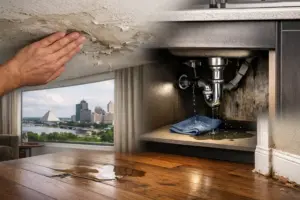
A ceiling stain after a Memphis storm rarely tells the full story. Water can travel along decking, rafters, insulation, and drywall before it finally shows up inside, which is why the roof leak repair process needs to be handled carefully from the start. The goal is not just to stop the drip you can see, but to find the actual entry point, protect the home, and make a repair that holds up through the next round of wind and rain.
What the roof leak repair process should accomplish
A proper repair is about more than patching a symptom. If the source is misidentified, the leak may appear to be fixed for a few weeks and then return the next time weather conditions line up the same way. That is especially common around flashing details, pipe boots, skylights, chimneys, valleys, and roof edges where water behavior can be deceptive.
For homeowners, the best outcome is a process that feels straightforward. You want a clear inspection, an honest explanation of what failed, a written scope, and a repair that matches the roof system already on the house. In some cases, that means a focused repair. In others, especially on older roofing systems or after storm damage, the right recommendation may be more extensive. It depends on the age of the roof, the condition of surrounding materials, and whether water has already affected the decking or attic.
First steps when you notice a leak
The first priority is limiting interior damage. Move furniture, electronics, rugs, or anything valuable out of the affected area. If water is actively dripping, place a bucket or container underneath it and use towels to keep flooring from becoming slick.
If the ceiling is bulging, that usually means water is pooling above the drywall. That situation can worsen quickly, so it needs professional attention. Some homeowners carefully puncture the lowest point of the bubble to release water into a bucket, but only if it can be done safely. If there is any doubt, especially around light fixtures or wiring, leave it alone and call for help.
It also helps to document what you see. Photos of ceiling stains, wet insulation, shingle loss, or storm-related exterior damage can be useful if the repair ends up involving an insurance claim. That said, documentation should never come at the expense of safety. Climbing onto a wet roof is not worth the risk.
The inspection stage of the roof leak repair process
A professional inspection usually starts inside the home and then moves outside. Inside, the contractor looks for staining patterns, moisture paths in the attic, signs of mold growth, wet insulation, and any indication that condensation could be contributing to the issue. Not every moisture problem is a roof leak. Poor ventilation, HVAC issues, or plumbing problems can sometimes mimic one.
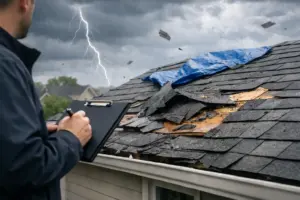
Outside, the roof is checked for missing shingles, lifted tabs, punctures, exposed fasteners, flashing separation, cracked sealant, damaged vent boots, and soft spots that may point to compromised decking. Valleys and penetrations get special attention because that is where leaks often begin. Gutters and drainage patterns matter too. Water that backs up at the edge of the roof or around clogged valleys can force its way into areas that were not originally vulnerable.
This is one reason experienced contractors do not rush to quote a repair based on a single interior stain. The visible symptom is only part of the picture. A dependable inspection connects what is happening inside with what failed outside.
Finding the true source can take more than one clue
One of the most misunderstood parts of the roof leak repair process is leak tracing. Water does not always enter directly above the stain. On steeper roofs, it may run down underlayment or decking before dripping into the attic. Wind-driven rain can push water uphill under shingles or flashing in ways that do not happen during a normal shower.
That is why repair recommendations should be based on evidence, not guesses. The contractor may look for shingle creases from wind, flashing gaps around chimneys, deteriorated sealant around skylights, or nail pops that have broken the water-shedding surface. If the roof is older, brittleness can complicate repairs because lifting one section to fix a leak may disturb nearby materials.
There is some judgment involved here. A small repair on a newer roof can be very effective. On an aging roof with multiple failure points, a targeted patch may solve today’s leak but leave the homeowner facing another one soon. Clear communication matters because the cheapest immediate fix is not always the most cost-effective option over time.
Common repairs used to stop roof leaks
Once the leak source is confirmed, the repair method should match the roofing system and the extent of the damage. For asphalt shingle roofs, that may involve replacing damaged shingles, resealing exposed areas, installing new underlayment in a localized section, or replacing flashing around penetrations and walls.
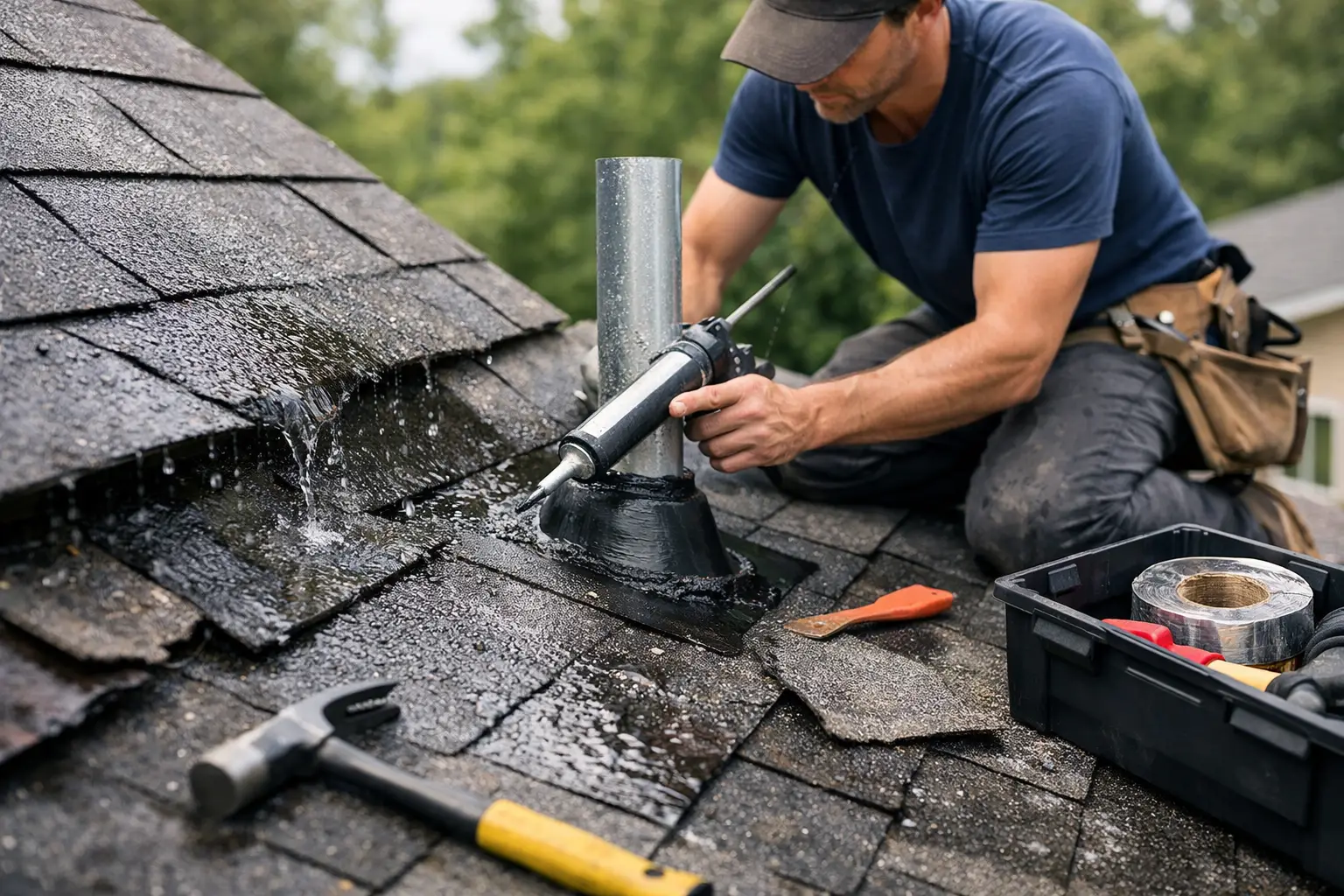
If the issue is a pipe boot, the old boot is removed and replaced so the seal around the vent pipe is restored properly. If chimney flashing has failed, the repair may require new step flashing, counter flashing work, or adjacent shingle replacement. In valleys, damaged materials often need to be removed and rebuilt so water can flow off the roof correctly.
Sometimes the problem is not just surface-level. If water has been entering for a while, the roof decking beneath may be soft, swollen, or rotted. In that case, lasting repair means replacing the compromised wood before new roofing materials go back on. Skipping that step can leave the roof structurally weaker and more vulnerable to future leaks.
Emergency measures versus permanent repairs
After a major storm, temporary protection may be necessary before a full repair can be completed. Tarping is the most common example. It helps reduce further water intrusion, but it is not the finish line. A tarp buys time. It does not correct damaged flashing, torn shingles, punctured underlayment, or compromised decking.
This distinction matters because emergency response and permanent repair are different services. Fast action is critical, especially when active leaking threatens insulation, drywall, flooring, or electrical components. But homeowners should also expect a follow-up plan that addresses the root cause and lays out the next steps clearly.
For local homeowners, this is where a company like Precision Roofing & Exteriors can make the experience feel less stressful – quick response first, then a repair plan that is explained in plain terms and backed by workmanship standards.
How costs and timelines usually work
Roof leak repair costs vary because leaks vary. A simple vent boot replacement on an otherwise healthy roof is very different from a leak tied to storm damage, flashing failure, and rotted decking. Accessibility, roof pitch, material matching, and the size of the affected area all influence pricing.
Timelines can vary too. Some repairs are completed in a single visit once materials are ready. Others require more coordination, especially if moisture has affected insulation, drywall, or framing inside the home. Weather also matters. Roofing work needs conditions that allow materials to be installed safely and correctly.
What homeowners should look for is transparency. An itemized estimate, a clear explanation of what is included, and realistic expectations about timing help avoid surprises. If insurance may be involved, that conversation should happen early so photos, measurements, and storm-related findings are documented properly.
When repair makes sense and when replacement is the smarter call
A focused repair makes good sense when the roof is generally in solid condition and the issue is isolated. That might mean a relatively newer roof with localized wind damage, a failed flashing detail, or a single vulnerable penetration.
Replacement becomes more reasonable when the roof is near the end of its service life, has repeated leaks, or shows broad signs of wear across multiple sections. If a homeowner is paying for one repair after another, the total cost can start working against them. The better long-term investment may be a full replacement with updated materials, proper ventilation, and warranty protection.
There is no one-size-fits-all answer. The right recommendation should reflect the condition of the entire roofing system, not just the wet spot that brought attention to it.
How homeowners can help prevent the next leak
Preventing leaks usually comes down to catching small failures before they become expensive ones. Routine inspections after major storms, keeping gutters clear, trimming back tree limbs, and watching for subtle warning signs inside the house all help. Stains, peeling paint near the ceiling, musty attic odors, or sudden spikes in indoor humidity can all point to trouble early.
It also helps to have the roof checked before leak season finds you first. In the Memphis area, heat, wind, heavy rain, and storm activity can all shorten the life of vulnerable details. A professional inspection can spot minor shingle damage, flashing wear, or drainage problems while they are still manageable.
A leak rarely shows up at a convenient time, but the repair experience should still feel controlled. When the inspection is thorough, the repair scope is honest, and the work is done with care, homeowners can move from damage control back to confidence in the roof over their heads. If you suspect a leak, the best next step is simple – have it looked at before a small issue gets the chance to spread.