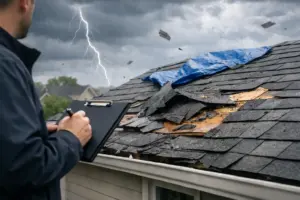
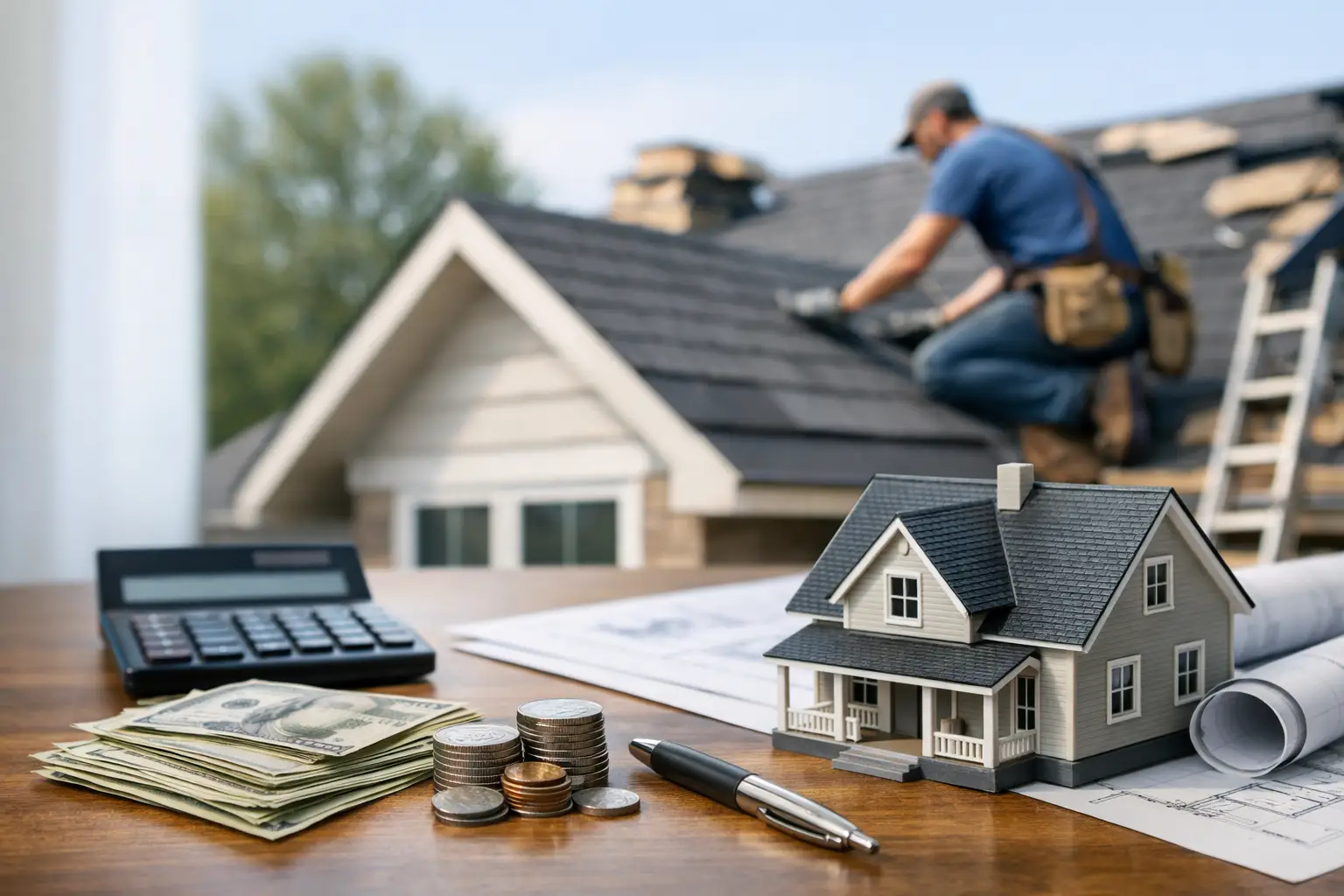
A roof rarely fails on a convenient schedule. A leak may show up after a Memphis thunderstorm, shingles may begin lifting in the wind, or an inspection may reveal that an aging roof has reached the end of its service life. Learning how to finance a new roof can help you act before a manageable roofing issue becomes interior water damage, mold, or structural repairs.
The right financing choice depends on why the roof needs replacement, your budget, available equity, and whether storm damage may be covered by insurance. The goal is not simply to find the lowest monthly payment. It is to choose a payment plan that protects your home without creating unnecessary long-term cost or surprises.
Start With a Clear, Itemized Roof Estimate
Before comparing financing options, know what you are financing. A complete roof replacement estimate should explain the scope of work, materials, labor, removal of existing roofing when needed, ventilation, flashing, cleanup, and warranty coverage. If storm damage is involved, documentation from a professional inspection can also support your insurance claim.
Price alone does not tell the full story. A lower estimate may leave out code-required items, quality underlayment, proper flashing, or the cleanup and workmanship protection that make a roofing project feel finished. Ask questions until you understand what is included and what could change the final cost.
For many homeowners, an itemized estimate makes financing less intimidating. You can see the total investment, separate urgent repairs from optional upgrades, and decide whether it makes sense to include related work such as gutters, skylights, or ventilation while the roofing crew is already on site.
Determine Whether Insurance May Cover Part of the Cost
If your roof was damaged by wind, hail, falling limbs, or another covered event, homeowners insurance may pay for a portion of the replacement after your deductible. Coverage depends on your policy, the cause of damage, the roof’s age, and whether the policy provides replacement cost value or actual cash value.
Do not assume that every worn roof qualifies for a claim. General aging, poor maintenance, and pre-existing issues are commonly excluded. However, a roof can have legitimate storm damage even if the leak or missing shingles did not become obvious until later.
A qualified roofing contractor can inspect the roof, document visible damage, and explain the repair or replacement scope. They may also help you understand the paperwork and meet with an adjuster when appropriate. The insurance company makes the final coverage decision, but good documentation helps ensure the claim is evaluated with a complete picture of the damage.
Even with approved coverage, you may still need to finance your deductible or upgrades that are not included in the claim. Some homeowners use insurance proceeds for the covered work and a financing plan for the remaining balance.
How to Finance a New Roof: Common Options
There is no single best way to pay for a roof. The most suitable option depends on your credit profile, cash reserves, home equity, and how quickly repairs are needed.
Contractor financing
Many established roofing companies offer financing through third-party lending partners. This can be a practical choice when you need to schedule work quickly and prefer one straightforward process for the project and payment application.
Depending on approval and current offers, contractor financing may provide fixed monthly payments, promotional terms, or longer repayment periods. Read the terms carefully. A low introductory payment can be helpful, but you should understand the interest rate after any promotional period, whether deferred interest applies, origination fees, and the total amount you would repay.
This option is often a good fit for homeowners who want to preserve savings for emergencies while replacing a roof that cannot safely wait.
Home equity loan or HELOC
A home equity loan lets you borrow a lump sum against the equity in your home, typically with a fixed rate and fixed payments. A home equity line of credit, commonly called a HELOC, works more like a revolving credit line and may have a variable interest rate.
These options can offer favorable rates compared with unsecured loans, particularly for larger projects. The trade-off is time and risk. Approval can take longer, closing costs may apply, and your home serves as collateral. A HELOC can also become more expensive if rates rise.
For a planned replacement on an aging roof, home equity financing may be worth considering. For an active leak or emergency storm repair, the approval timeline may not match the urgency.
Personal loan
An unsecured personal loan does not require using your home as collateral. Funds may be available quickly, and repayment is usually fixed, which makes the monthly cost easier to budget.
Rates vary widely based on credit and loan terms. A personal loan may be a sensible middle ground for homeowners who need a predictable payment but do not want to use home equity. Compare the annual percentage rate, loan fees, and total repayment amount rather than focusing only on the advertised monthly payment.
Credit card or promotional financing
Credit cards can work for a smaller repair, a deductible, or a short-term gap when you have a clear plan to pay the balance off quickly. They are usually less attractive for financing an entire roof because standard interest rates can make a major project much more expensive over time.
Promotional financing deserves extra attention. Some offers charge deferred interest, meaning interest may be added retroactively if the full balance is not paid by the deadline. If you choose this route, confirm the payoff date and divide the balance into monthly payments that will fully retire it before the promotion ends.
Savings and a partial cash payment
Paying cash avoids interest and loan fees, but draining every available dollar can create another problem. A roof replacement protects your home, yet homeowners still need funds for medical costs, vehicle repairs, deductibles, and other unexpected expenses.
A blended approach is often more comfortable: use part of your savings for the down payment or deductible and finance the rest. That can reduce interest expense while preserving a reasonable emergency cushion.
Compare the Total Cost, Not Just the Monthly Payment
A longer loan term usually lowers the monthly payment, but it can increase the amount you pay in interest. Before signing, ask for the full payment schedule and look at the total project cost over the life of the loan.
When comparing offers, review these details:
- The annual percentage rate, not just the stated interest rate
- Any origination, processing, or prepayment fees
- The loan term and total amount repaid
- Whether the rate is fixed or variable
- Promotional deadlines and deferred-interest conditions
Also consider the roof’s expected life and the value of proper installation. Financing a well-installed roof with quality materials, correct ventilation, and written workmanship coverage can be a better long-term decision than repeatedly paying for temporary repairs on a failing system.
Set a Payment That Leaves Room for Real Life
A new roof is a major home investment, but your payment should still fit comfortably alongside your mortgage, utilities, insurance, and normal household expenses. A lender may approve a larger amount than you want to carry. Approval is not the same as affordability.
Look at your monthly budget honestly. If a shorter loan term puts too much pressure on your cash flow, a slightly longer fixed-term loan may be the better choice. If you expect a bonus, tax refund, or insurance payment, check whether the loan allows extra payments without penalty.
Avoid delaying a necessary replacement solely to save every dollar upfront. Once water reaches decking, insulation, ceilings, or walls, the project can become more expensive and disruptive. The best timing is often when a professional inspection confirms replacement is needed, before damage spreads inside the home.
Use a Roofing Partner Who Makes the Process Clear
Financing should support a quality project, not distract from it. Work with a contractor who explains the scope in plain language, provides honest pricing, documents storm damage when present, and answers questions about warranty coverage and project timing.
At Precision Roofing & Exteriors, homeowners can begin with a professional inspection and a clear estimate, then consider payment options with a better understanding of what their home needs. A dependable roofing plan should leave you feeling informed, not pressured.
A roof protects everything underneath it. When replacement becomes necessary, choose the financing path that lets you address the problem promptly, keep your household budget steady, and move forward with confidence in the work being done.