A window that sticks, fogs between the panes, or lets the afternoon heat pour into your living room is more than a small annoyance. It can affect comfort, energy bills, curb appeal, and even how well your home stands up to Memphis weather. Knowing how to choose replacement windows helps you make an investment that feels right every time you open the shades.
The best choice is rarely the lowest-priced window or the one with the most impressive-looking label. Your home’s age, sun exposure, existing openings, budget, and installation quality all matter. A clear plan helps you compare options without getting overwhelmed or paying for features that do not serve your home.
How to Choose Replacement Windows With Confidence
Start by identifying what is not working with your current windows. Drafts and rising utility costs may point to poor insulation or worn seals. Condensation between glass panes usually means an insulated glass unit has failed. Windows that are difficult to open, lock, or keep closed can create security and water-management concerns.
It also helps to think beyond one room. A west-facing bedroom in Germantown may need different glass performance than a shaded front room in Memphis. A family replacing windows after storm damage may prioritize a fast, code-compliant installation, while a homeowner updating an older property may care most about preserving the home’s character.
Before reviewing styles and finishes, decide which goals matter most: reducing heat gain, improving comfort, upgrading appearance, solving water intrusion, making windows easier to clean, or lowering exterior noise. Most projects involve a balance of these goals rather than one perfect feature.
Choose a Window Style That Fits the Room
Window style affects ventilation, usability, appearance, and cost. Double-hung windows remain a popular choice because both sashes can move, and many models tilt inward for easier cleaning. They suit traditional homes and work well in bedrooms, living areas, and front elevations.
Casement windows crank open from the side and close tightly against the frame. They are an excellent option where you want strong ventilation and a clear view, such as over a kitchen sink or beside a patio. Because they open outward, though, they may not be ideal along narrow walkways or tight exterior spaces.
Sliding windows are practical for wider openings and rooms where an outward-swinging window would be inconvenient. Picture windows bring in natural light and wide views but do not open, so they are often paired with operable windows nearby. Awning windows hinge at the top and can provide ventilation during a light rain, making them useful in bathrooms and other compact spaces.
For bedrooms, do not overlook emergency escape requirements. If a window serves as a required egress opening, its clear opening size and operation must meet applicable code. A professional measurement and product review can prevent a style decision from becoming a safety issue later.
Compare Frame Materials, Not Just Price Tags
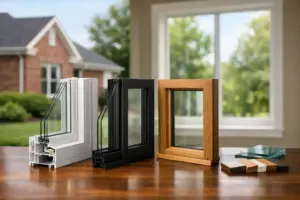
Frame material has a real effect on maintenance, appearance, insulation, and upfront cost. Vinyl replacement windows are a strong value for many homeowners. They are low-maintenance, resist moisture, and are available in a range of colors and configurations. Quality varies considerably, so compare the frame construction, reinforcement, weatherstripping, hardware, and warranty rather than assuming every vinyl window performs the same.
Fiberglass frames are known for strength, stability, and a refined appearance. They typically cost more than vinyl, but they can be a worthwhile fit for homeowners who want a durable frame with minimal expansion and contraction in changing temperatures.
Wood windows offer a classic look that complements certain historic or high-end homes. They do require more maintenance, especially in the Mid-South climate where moisture, sun, and humidity can challenge exterior finishes. Wood-clad options can provide a wood interior with a more weather-resistant exterior, but they should still be evaluated carefully for long-term upkeep and warranty coverage.
Composite and aluminum options also have their place. Aluminum can provide slim sightlines and strength, but it generally transfers heat more readily unless it includes a thermal break. The right material depends on your home, your expectations for maintenance, and the performance you want over the next several decades.
Understand Glass Packages and Energy Performance
The glass package often has the biggest impact on day-to-day comfort. Modern replacement windows typically use insulated glass with two panes, a sealed airspace, and low-emissivity, or Low-E, coatings. These coatings help manage heat transfer while allowing useful daylight into the room.
For Memphis-area homes, look closely at solar heat gain as well as insulation. A window with a lower solar heat gain coefficient can reduce the amount of sun-driven heat entering the home, which may be especially valuable on west- and south-facing walls. However, extremely low solar heat gain may not be necessary on every side of every house. The best glass choice is often tailored to orientation and room use.
U-factor measures how readily a window transfers heat. Lower numbers generally indicate better insulating performance. Air leakage ratings also matter because a well-insulated glass unit will not feel as comfortable if outside air can move through weak seals or poorly designed frames.
Do not assume triple-pane glass is automatically the right answer. It can improve insulation and sound control, but it adds cost and weight. In many local homes, a high-quality double-pane window with the right Low-E coating, gas fill, frame, and installation delivers an excellent balance of comfort and value.
Measure Installation Quality as Carefully as the Window
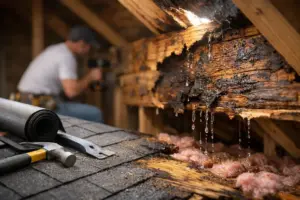
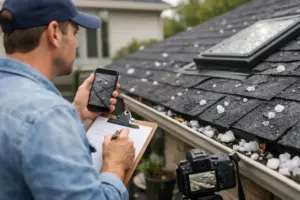
Even premium windows can disappoint when they are installed poorly. Replacement window installation requires more than placing a new unit into an old opening. The contractor should inspect the surrounding frame, identify signs of rot or moisture damage, verify proper sizing, and create a reliable weather barrier at the opening.
Ask how the crew will handle flashing, insulation around the frame, exterior trim, sealants, and interior finishing. These details protect against water intrusion, drafts, and premature failure. A quality installation also ensures the window is level, square, operational, and properly secured without warping the frame.
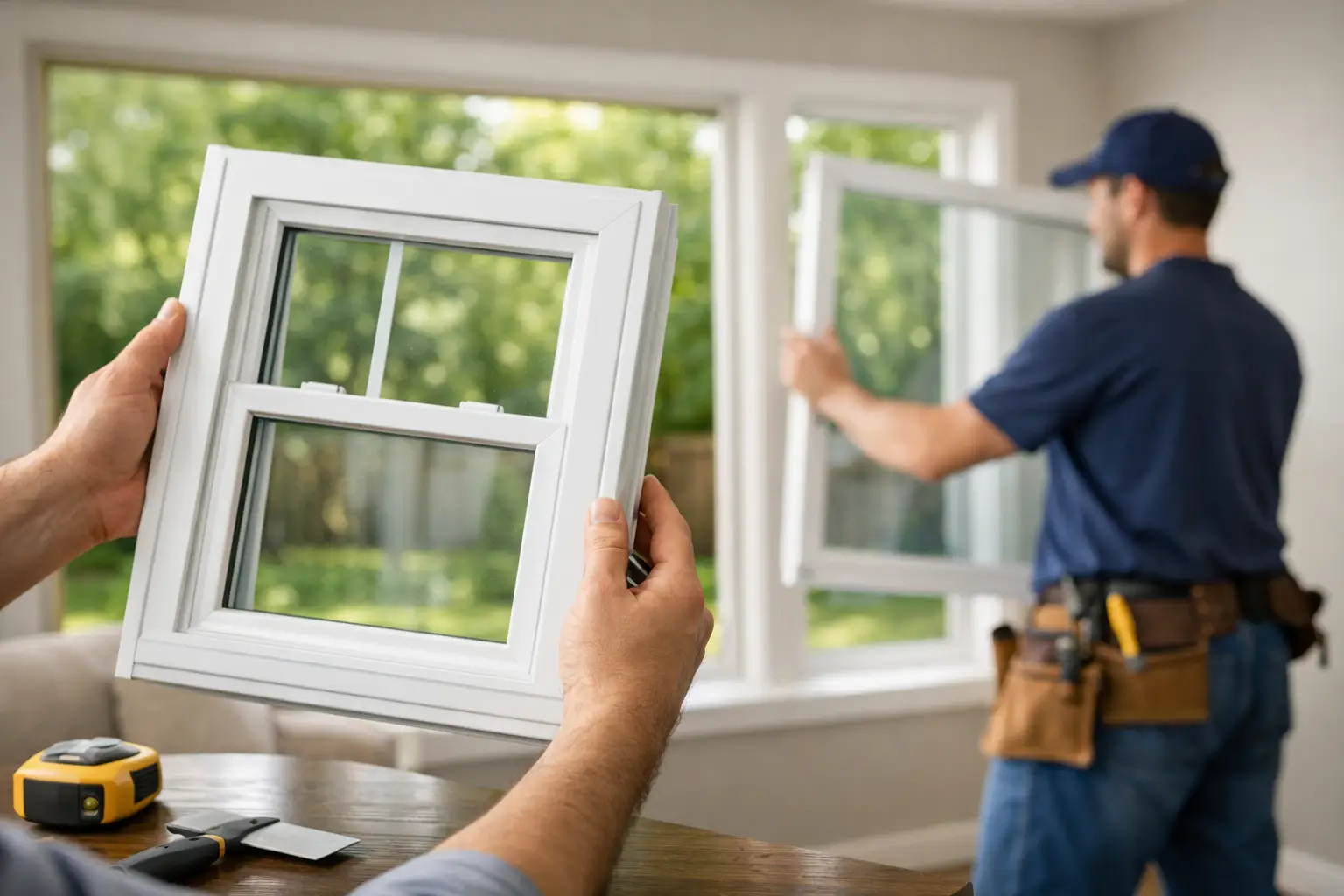
For full-frame replacement, the existing window down to the rough opening may be removed. This approach can be the better choice when there is hidden damage, a need to change window size, or a desire to improve flashing and insulation details. Insert replacement windows can be less invasive and may cost less, but they preserve the existing frame and can slightly reduce visible glass area. Neither approach is always better. The condition of the opening should guide the decision.
Choose a contractor who provides a written estimate that explains the scope of work, product specifications, cleanup expectations, and warranty coverage. Manufacturer-certified installation, trained crews, and a final walkthrough are practical signs that the work is being handled with care.
Match Your Budget to Long-Term Value
Replacement windows are a meaningful home investment, so it is reasonable to compare estimates. Make sure you are comparing equivalent products and installation scopes. One estimate may include disposal, trim repair, upgraded glass, and warranty coverage, while another may leave those details unclear.
A lower initial price can become expensive if the window has weak hardware, limited weatherstripping, poor glass performance, or an installation that creates leaks. On the other hand, the highest-priced option is not automatically necessary for every room. Prioritize high-performance windows where heat, drafts, moisture, or sun exposure are the biggest problems, then select a consistent look that supports your overall budget.
Financing can also make a whole-home project more manageable, particularly when aging windows are contributing to comfort issues throughout the house. The goal is not to rush a decision. It is to choose a solution that protects your home without creating avoidable financial pressure.
Ask These Questions Before You Sign
A reliable contractor should be comfortable answering direct questions about the product and the work. Ask which frame material and glass package they recommend for your home and why. Confirm whether the proposed work is insert or full-frame replacement, how damaged wood will be addressed, and what warranties apply to both the window and installation.
Also ask who will perform the installation, how the work area will be protected, and how the crew will manage cleanup each day. Home improvement should leave your home better protected, not leave you managing debris, uncertainty, or surprise costs.
The right replacement windows should make your rooms quieter, more comfortable, easier to maintain, and better prepared for the seasons ahead. A careful inspection, clear product comparison, and professional installation give you more than new glass – they give your home another dependable layer of protection.