A hailstorm can leave your yard looking almost untouched while your roof, gutters, siding, and windows have taken a costly hit. That is why a careful guide to hail damage documentation matters. The quality of the information you gather in the first few days after a storm can make the insurance process clearer, protect your home from worsening damage, and help you make informed repair decisions.
For Memphis-area homeowners, the goal is not to diagnose every mark yourself or rush into a claim before you have the facts. It is to create an accurate record, stay safe, and get a qualified inspection when there is reason to believe your exterior was affected.
Start Documenting Before Cleanup Begins
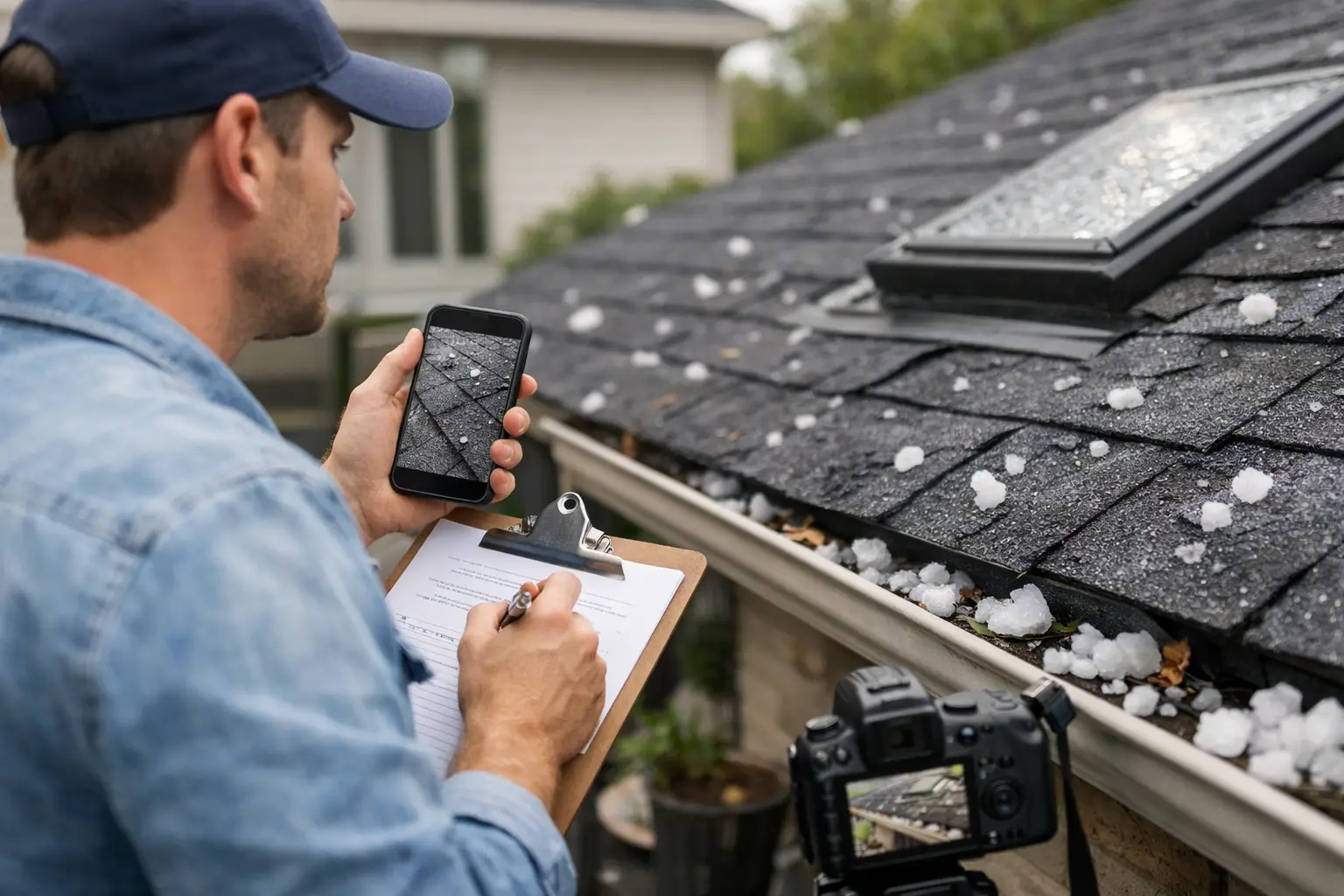
Once conditions are safe, begin with wide photos and video of your property. Do this before removing fallen branches, replacing damaged screens, or moving outdoor furniture that may show evidence of the storm. A time-stamped phone photo is helpful, but it is even better to organize everything in one folder labeled with the storm date and your property address.
Stand at the curb and capture each side of the home. Then take closer images of the roofline, gutters, downspouts, siding, windows, skylights, fencing, HVAC equipment, and vehicles if applicable. Video can be especially useful because it shows the location of damage in relation to the rest of the house.
Do not climb onto the roof to get better pictures. Hail can loosen granules, leave slick surfaces, and damage shingles in ways that are difficult to see from above. A roof that looks fine from the ground may still have bruised shingles or compromised seals. Personal safety is worth more than any photo.
Record the Storm Details While They Are Fresh
Write down what you observed: the approximate start and end time of the storm, hail size, wind direction, heavy rainfall, fallen limbs, and any immediate changes inside the home. If you noticed a new ceiling stain, water around a window, or a gutter pulling away from the fascia, include that detail with the date.
It also helps to save storm alerts, weather screenshots, and any local reports confirming hail in your neighborhood. These records do not replace a professional inspection, but they create useful context for an insurance adjuster. Hail damage claims are stronger when the timing and location of the loss are clear.
What to Photograph During Hail Damage Documentation
The most useful documentation shows both the overall condition of the property and close-up evidence of specific impacts. Take photos in natural daylight when possible, and use a familiar object such as a coin or tape measure for scale near visible dents. Avoid editing photos beyond basic labeling or sorting. Insurers need to see an honest record of the condition.
On the roof, hail damage may appear as dark spots, exposed asphalt, cracked shingles, missing granules, or circular bruises that feel soft when assessed by a trained professional. From the ground, you may notice granules collecting near downspouts or on walkways. Photograph those areas, but do not assume granule loss alone proves hail damage. Roof age, normal wear, and wind exposure can create similar signs.
Metal components often provide clearer evidence. Look for dents or fresh impact marks on gutters, downspouts, roof vents, flashing, chimney caps, metal fascia, and outdoor light fixtures. Check window screens for tears and inspect window frames, trim, shutters, and vinyl siding for cracks, chips, or dents.
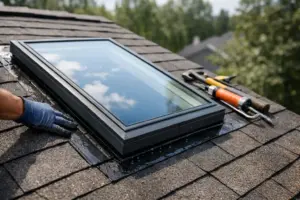
Your documentation should also include interior evidence if the storm caused a leak. Photograph ceiling discoloration, bubbling paint, damp insulation, wet flooring, or water around skylights and window openings. Take a wide photo of the room first, then a closer image of the affected area. If water is actively entering the home, place a container beneath the leak and contact a roofing professional promptly.
Keep a Simple Damage Log
Photos are easier to understand when they are paired with a short written log. You do not need construction terminology. Clear, factual notes are more valuable than guesswork.
For each issue, record the date, location, what you observed, and whether the condition changed after the storm. For example: “March 14 – rear elevation – dented downspout below kitchen window; not present before afternoon hailstorm.” If you arrange emergency tarping, temporary repairs, or water removal, keep the invoice and take photos before and after the work.
Temporary repairs can prevent a small opening from becoming major interior damage. Most insurance policies expect homeowners to take reasonable steps to prevent further loss. The trade-off is that you should not make permanent repairs or discard damaged materials until the insurer has had an opportunity to inspect, unless immediate safety requires it. When in doubt, document thoroughly, save receipts, and ask your carrier what it needs.
Gather Property Records That Support Your Claim
Your storm folder should include your current insurance policy information, recent exterior repair invoices, roof replacement records, warranty documents, and before-storm photos if you have them. Prior maintenance records can help distinguish a new storm event from an existing problem.
If you have no older photos, do not let that stop you from documenting the current condition. Many homeowners do not photograph their roof before a storm. A detailed professional inspection, weather verification, and clear post-storm images can still provide meaningful support.
Schedule a Professional Exterior Inspection
Hail damage is not always obvious, and not every mark is storm damage. That is where an experienced local contractor can bring needed clarity. A thorough inspection should evaluate the roof covering, ridge caps, vents, flashing, gutters, siding, windows, skylights, and drainage components rather than focusing only on the most visible dent.
Ask the contractor to explain what was found in plain language and provide documentation that identifies the affected areas. A reputable contractor will not pressure you to file a claim without evidence. They should also be honest if the damage appears minor, cosmetic, related to normal aging, or unlikely to justify a claim after your deductible.
For homeowners in Memphis and nearby communities, Precision Roofing & Exteriors can inspect storm-affected exteriors and help organize the findings for the next step. The purpose of the inspection is straightforward: understand the condition of your home, identify urgent protection needs, and give you clear information before repair work begins.
How to Communicate With Your Insurance Company
After documenting the property and receiving a professional assessment, review your policy and contact your insurer if there is covered damage worth pursuing. Be prepared to provide the storm date, a description of what you found, photos, and any temporary repair receipts. Start a claim log with the claim number, adjuster name, phone number, and dates of every conversation.
During the adjuster visit, have your photos and contractor documentation available. You are entitled to ask questions about what the adjuster observed, what damage is considered covered, and how depreciation, deductibles, and policy limits affect the payment. If a contractor is present, their role should be to discuss the scope of visible exterior damage and repair requirements, not to interpret your insurance policy for you.
Read the estimate carefully. Insurance scopes can use abbreviations and line items that are unfamiliar to homeowners. Compare the listed repairs with the documented damage and the contractor’s proposed work. If something appears missing, such as code-required components, damaged gutters, or a necessary roofing accessory, ask for an explanation and provide supporting documentation.
It depends on the policy and the condition of the home, but a claim does not always mean a complete roof replacement. Sometimes a targeted repair is appropriate. Other times, the extent of damage, material availability, roof age, or manufacturer installation requirements make a broader scope necessary. The right answer should be based on documented conditions, not a one-size-fits-all sales pitch.
Avoid These Common Documentation Mistakes
A few preventable mistakes can create unnecessary delays. Do not wait months to inspect after a known hail event, particularly if you see signs of exterior impact or an interior leak. Do not rely only on close-up pictures that make it impossible to tell where the damage occurred. And do not sign an agreement you do not understand just because a contractor arrived at your door after a storm.
Be cautious with language that promises to “cover your deductible” or guarantees a specific insurance outcome. A trustworthy contractor can help document damage, provide an itemized estimate, and communicate professionally during the process. They cannot control the carrier’s final coverage decision.
Keep every estimate, inspection report, email, invoice, and claim letter together until the project is complete. If repairs are approved, take final photos after the work and retain warranty information. That record can be valuable if you sell the home, need future service, or face another storm.
A well-documented hail event gives you more than paperwork. It gives you a clear starting point for protecting your home, asking better questions, and moving forward without unnecessary pressure.