A roof replacement rarely begins on the day shingles arrive. For most Memphis homeowners, the work is the visible final step in a process that starts with an inspection, a clear scope of work, material selections, and attention to the forecast. This roof replacement timeline guide explains what happens before, during, and after installation so you can plan with confidence instead of wondering when the next call, delivery, or crew arrival will be.
What Is the Typical Roof Replacement Timeline?
From the first inspection to the final walkthrough, a straightforward residential roof replacement often takes two to four weeks. The actual installation on a typical single-family home may take only one to three days. The time around the installation matters just as much, though, because a professional contractor needs to inspect the roof, prepare an accurate estimate, order materials, coordinate delivery, and schedule around safe weather conditions.
Every home is different. A smaller, simple roof with standard asphalt shingles can move quickly when materials are available and the weather cooperates. A larger home, a steep roof, multiple roof levels, skylights, damaged decking, specialty materials, or an active insurance claim can add time. The goal should not be to rush past necessary steps. It should be to keep the process organized, communicate clearly, and protect your home at every stage.
Your Roof Replacement Timeline, Step by Step
Inspection and project planning: 1 to 3 days
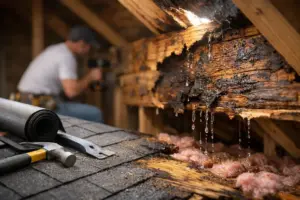
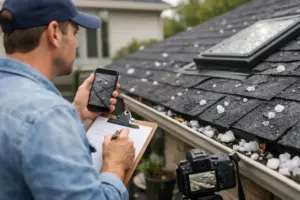
The process starts with a roof inspection. A qualified roofing professional checks for missing or damaged shingles, exposed nail heads, flashing issues, soft spots, ventilation concerns, leaks, and storm-related damage. If an attic inspection is appropriate, it can reveal moisture, insulation, or ventilation conditions that are not visible from the roof surface.
After the inspection, you should receive an itemized estimate that explains the proposed materials, labor, accessories, and any anticipated repairs. This is the point to ask questions about shingle type and color, underlayment, ice and water protection where needed, ventilation, flashing, workmanship warranty coverage, and cleanup. A detailed scope protects you from surprise costs and makes it easier to compare proposals fairly.
If wind or hail damage may support an insurance claim, the planning stage can take longer. Documentation, adjuster scheduling, and claim decisions follow their own timeline. An experienced local contractor can help explain the roofing scope and provide supporting information, but your insurance carrier makes the coverage decision.
Material selection, permits, and scheduling: 1 to 3 weeks
Once you approve the project, material ordering and scheduling begin. Standard architectural shingles are often readily available, while designer shingles, metal roofing, specialty colors, or custom skylight components may need more lead time. If you are replacing gutters, siding, or skylights at the same time, coordinating those services may affect the schedule as well.
Permit requirements vary by municipality and project scope. Your contractor should verify what applies to your address and handle required paperwork before work begins. This step is not busywork. Permits and inspections help confirm that the project meets applicable building codes and that important details, such as fastening and flashing, are addressed properly.
Weather is the biggest scheduling variable in the Memphis area. Roofing crews need dry conditions and safe wind levels to install materials correctly. A light rain forecast can become a delay if it shifts into a thunderstorm, and intense summer heat can affect working hours. A dependable contractor will not tear off a roof when the forecast creates unnecessary risk. That decision may feel inconvenient, but it is part of protecting the installation quality.
Preparing your home: a few hours before installation
Before installation day, move vehicles out of the driveway and garage area so the crew has room for materials, equipment, and debris removal. Clear patio furniture, grills, potted plants, and outdoor decorations from the work zone. If you have an irrigation system, mark sprinkler heads near the home. Keep gates accessible and let the contractor know about pets, locked areas, or any special access needs.
Inside the home, remove fragile items from walls and shelves, especially in upstairs rooms. Roof work can create vibration. Covering stored attic belongings is also a sensible precaution, since dust or small debris can shift during a tear-off.
Your contractor should explain where the material delivery will go, whether a protective trailer or dumpster will be used, and what areas need to remain clear. Good preparation reduces stress for your household and helps the crew work efficiently.
Installation day: usually 1 to 3 days
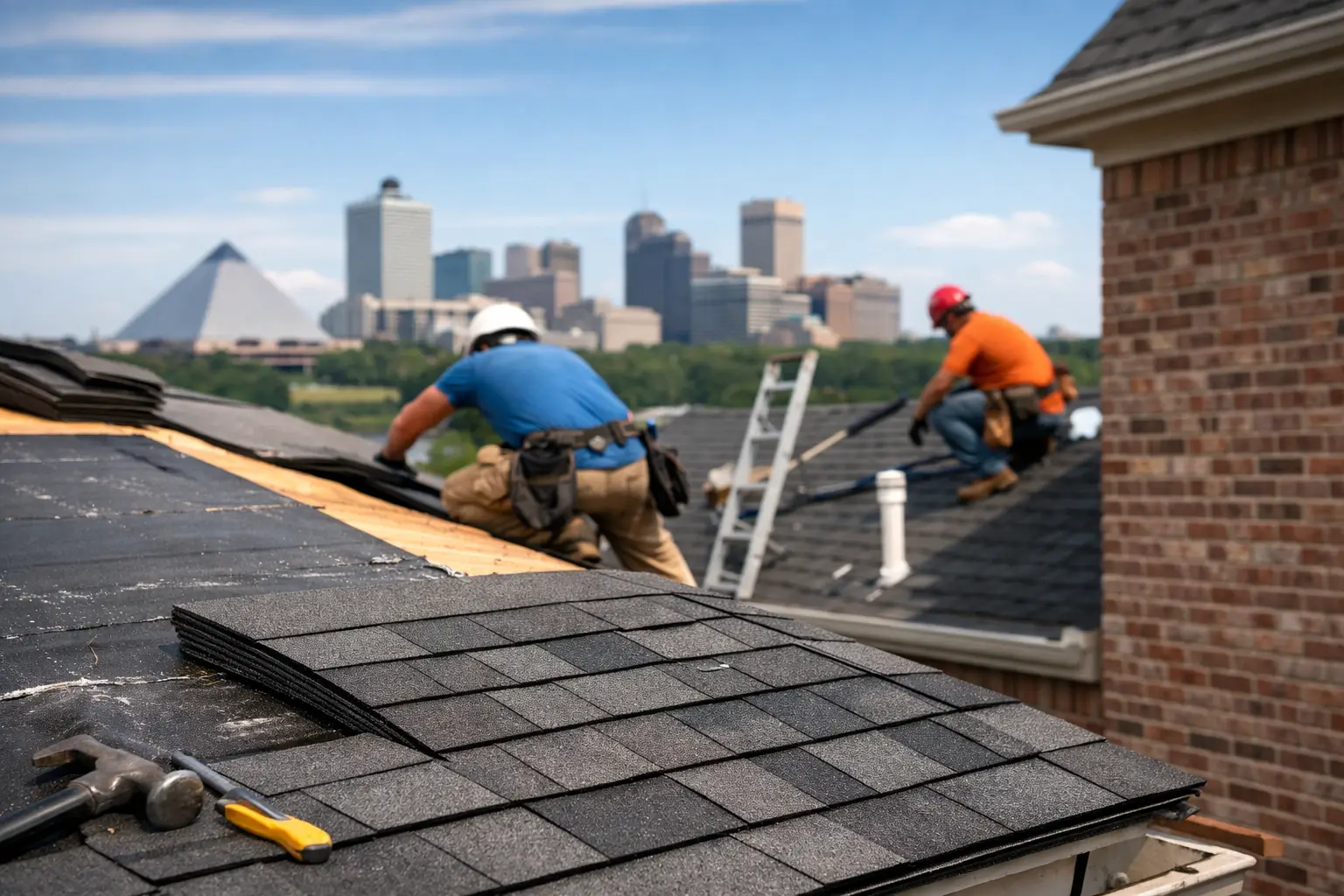
Most asphalt shingle roof replacements are completed in one day, though two or three days is common for larger or more complex homes. The crew typically arrives early, protects landscaping and exterior surfaces, and begins removing the old roofing materials. Once the roof deck is exposed, they inspect it for rot, water damage, or other conditions that were hidden beneath the old roof.
Decking repairs are one of the most common reasons a project changes during installation. No responsible contractor can promise there will be no hidden damage before the existing roof is removed. What matters is how the issue is handled. You should be notified promptly, shown the concern when possible, and given a clear explanation of the repair needed before additional work moves forward.
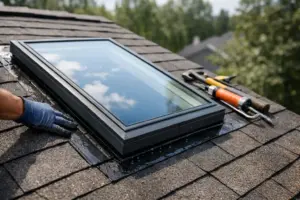
After deck repairs, the crew installs the roofing system in layers. Depending on the project, that can include underlayment, leak-barrier protection, starter materials, shingles, flashing, ridge components, and ventilation products. These details are where long-term roof performance is built. Shingles are visible, but proper installation at valleys, chimneys, walls, vents, and roof penetrations is what helps keep water outside where it belongs.
Cleanup and final walkthrough: same day or next day
A professional roof replacement should not leave your yard looking like a jobsite. The crew removes debris, runs magnetic tools to collect loose nails, and clears work areas around the home. Some materials may be picked up the following day, especially if a disposal container or equipment remains onsite after the roof is complete.
The final walkthrough is your opportunity to review the finished work, ask about warranty documentation, and confirm that the property has been cleaned up. Precision Roofing & Exteriors believes this final check should feel straightforward: you should understand what was installed, what was repaired, and who to contact if you have a question after the crew leaves.
What Can Delay a Roof Replacement?
Weather is the most common delay, but it is not the only one. Material backorders, permit processing, insurance approvals, change requests, and unexpected deck repairs can shift a schedule. These are not always signs of poor planning. Some are simply realities of construction, particularly after a major storm event when local demand rises quickly.
Communication makes the difference. A contractor should tell you when the schedule changes, explain why, and provide the next realistic window instead of making promises that ignore conditions on the ground. Be cautious of anyone who guarantees a specific installation date far in advance without acknowledging weather, permits, and material availability.
How to Keep the Project Moving Smoothly
You can help prevent avoidable delays by making material selections promptly, reviewing the contract carefully, and responding quickly if your contractor needs an approval or insurance document. If you plan to finance the project, complete that step before material ordering whenever possible. Let the project manager know about travel dates, family events, gate codes, HOA requirements, or other details that could affect site access.
It also helps to plan for the practical realities of installation day. Roofing is noisy, and children, pets, remote workers, or anyone sensitive to sound may be more comfortable away from home while the tear-off is underway. Keep in mind that crews may need to start early to make safe progress before afternoon storms or high heat arrive.
When a Faster Timeline Makes Sense
An active leak, missing shingles after a storm, or visible structural damage may require a faster response. In these situations, emergency protection or targeted repairs can help limit water intrusion while a full replacement is planned. The right short-term solution depends on the roof condition, the forecast, and whether the damaged area can be safely secured.
A fast roof replacement should still include the essential steps: inspection, clear documentation, proper materials, code-compliant installation, and cleanup. Speed is valuable when your home is exposed, but quality control cannot be skipped.
If your roof is aging, showing storm damage, or leaving you uncertain every time heavy rain moves through Memphis, start with an inspection before the issue becomes urgent. A clear timeline and a contractor who communicates at each stage can make a major home project feel manageable from the first appointment to the final walkthrough.