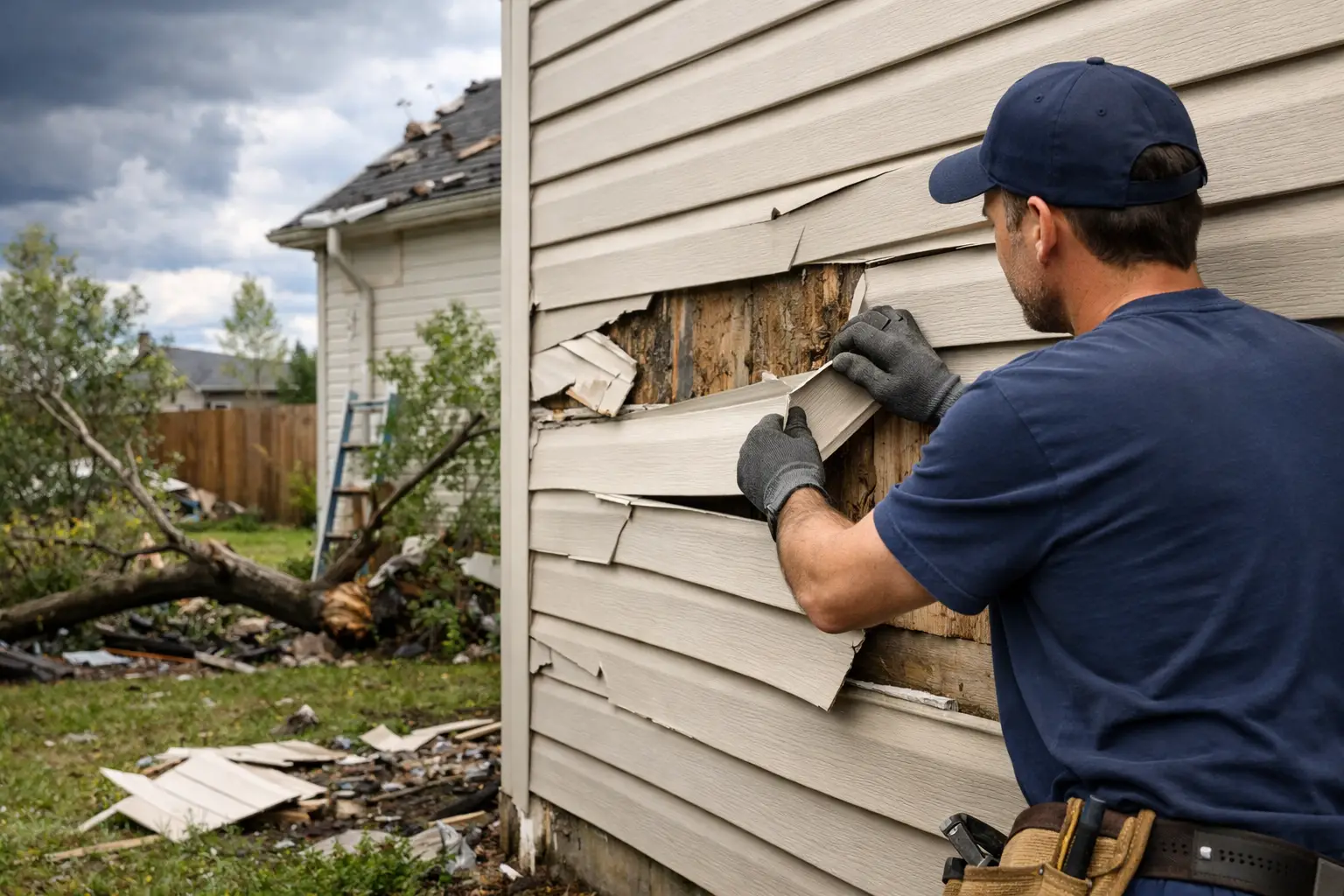
A hard Memphis storm can leave siding damage that is easy to miss from the driveway. A loose panel, a small crack near a window, or a dent from windblown debris may not look urgent, but water only needs a narrow path behind your exterior. Prompt storm damaged siding repair helps protect the wall system beneath it, where moisture can lead to rot, mold, insulation damage, and costly repairs.
The right next step is not to assume every mark calls for full replacement or, just as risky, to wait and hope it holds. A professional inspection can identify whether the damage is cosmetic, localized, or part of a larger exterior issue involving the roof, gutters, windows, or flashing.
What Storm Damage Looks Like on Siding
Storm damage does not always look dramatic. Hail can leave small dents, chips, fractures, and exposed areas on vinyl, aluminum, fiber cement, or engineered wood siding. High winds can pull panels loose, crack corners, separate seams, and bend trim around doors and windows. Falling branches and debris may puncture siding or damage the material beneath it.
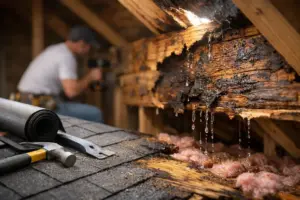
Water-related damage can be more subtle. Look for warped boards, bubbling paint, swelling, soft spots, staining, or siding that appears uneven along the wall. These conditions can signal that rain has been getting behind the cladding for some time, especially around window trim, utility penetrations, roof-to-wall intersections, and lower sections near the ground.
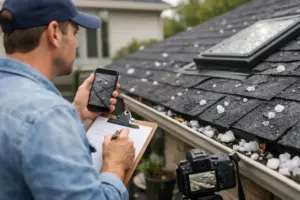
After a storm, walk around your home from a safe distance and note what you see. Do not climb ladders or pull on loose material. Take clear photos of visible damage, including close-ups and wider shots that show where it is located on the home. Those photos can be helpful when discussing repairs or filing an insurance claim.
Why Fast Storm Damaged Siding Repair Matters
Siding is part of your home’s weather barrier, not just its curb appeal. When it is cracked, displaced, or punctured, wind-driven rain can reach the house wrap, sheathing, insulation, and framing. In the humid Mid-South climate, trapped moisture can create problems quickly.
A repair performed early may involve replacing a few damaged panels, restoring trim, and sealing vulnerable transitions. Waiting can turn the same issue into sheathing replacement, wood rot repair, interior wall damage, or a larger siding project. The cost difference can be significant.
There is also the question of future storms. A panel that has already loosened may be more likely to tear away in the next strong wind event. Repairing the exterior properly helps restore the continuous protective layer your home needs before the weather turns again.
When a Repair Is Enough and When Replacement Makes Sense
A targeted repair is often the practical choice when damage is confined to one area and the surrounding siding is still in good condition. This can include a few cracked vinyl panels, damaged corner trim, a small puncture from debris, or localized hail impacts with matching replacement material available.
Replacement may be the better long-term investment when the siding is older, brittle, faded beyond a reasonable color match, or damaged across multiple elevations. It may also make sense when an inspection reveals moisture damage behind the siding or installation concerns that affect more than one section of the home.
Material matching deserves honest attention. Even when the same product line is available, older siding may have faded from years of sun exposure. A skilled contractor can explain whether a localized repair will blend acceptably or whether replacing a broader wall section will deliver a cleaner result. The goal is not to sell more work than you need. It is to make sure the repair protects the home and looks right when the job is complete.
The Inspection Should Look Beyond the Siding
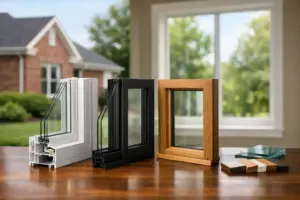
Storms rarely damage only one exterior component. The same wind or hail that affected your siding may have damaged roof shingles, gutters, fascia, soffit, window screens, or flashing. Water can also follow a path from a roof edge or overflowing gutter and show up as apparent siding damage farther down the wall.
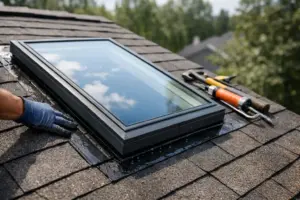
A thorough exterior inspection checks the full building envelope. That means looking at the siding itself, but also examining the connections around windows, doors, rooflines, gutters, and exterior fixtures. This approach helps prevent a repair that treats the visible symptom while leaving the source of moisture unresolved.
For example, replacing stained lower siding without correcting a leaking gutter joint can lead to the same issue next season. Likewise, repairing wind-lifted siding near a roofline without inspecting flashing can leave a critical gap exposed. One coordinated contractor can make these connections easier to identify and address.
What Quality Siding Repair Should Include
Good storm repair is more than attaching a new panel over a damaged one. The damaged material should be removed carefully so the contractor can inspect the wall beneath it. Any wet, rotted, or compromised substrate needs attention before new siding is installed.
The repair should also restore the details that keep water out: properly integrated flashing, weather-resistant barrier where needed, secure fasteners, correctly fitted trim, and sealed penetrations where the material requires it. Installation should follow the siding manufacturer’s requirements and local code, particularly around expansion gaps and fastening methods for vinyl siding.
Cleanup matters, too. Damaged pieces, nails, and construction debris should not be left around your yard for your family, pets, or neighbors to find later. A professional crew protects landscaping, keeps the work area organized, and completes a final walkthrough so you understand what was repaired and why.
Handling Insurance After Siding Storm Damage
If a storm caused widespread damage, your homeowners insurance policy may help cover eligible repairs. Coverage depends on the cause of loss, your policy terms, deductible, age of the materials, and the adjuster’s findings. An inspection from a qualified exterior contractor can give you a clear record of visible damage before you decide how to proceed.
Keep your storm photos, any emergency repair receipts, and notes on when you first noticed the issue. Avoid making permanent repairs before the claim process is documented unless immediate action is needed to prevent further damage. Temporary protection, such as securing a loose panel or covering an opening, may be necessary, but it should be done carefully and recorded.
A contractor experienced with storm-related work can help explain the repair scope and provide an itemized estimate. That support can make the process less stressful, but the insurance carrier ultimately determines coverage. Clear documentation and a detailed assessment help you make informed decisions without surprises.
Choose a Contractor Who Treats Your Home Like a System
Storm repairs call for more than a quick patch. Look for a local contractor with trained crews, written workmanship warranty coverage, clear estimates, and experience working with both exterior repairs and insurance-related damage. Ask how they will inspect for hidden moisture, handle material matching, protect your property, and communicate if the scope changes after damaged siding is removed.
Precision Roofing & Exteriors helps Memphis-area homeowners assess storm damage across the roof, siding, gutters, windows, and other vulnerable exterior areas. That full-service perspective can be especially valuable when one storm has affected several parts of the home at once.
If you see loose, cracked, dented, or warped siding after severe weather, do not wait for a leak to prove there is a problem. A careful inspection now can preserve your home’s protection, appearance, and value while the repair is still manageable.