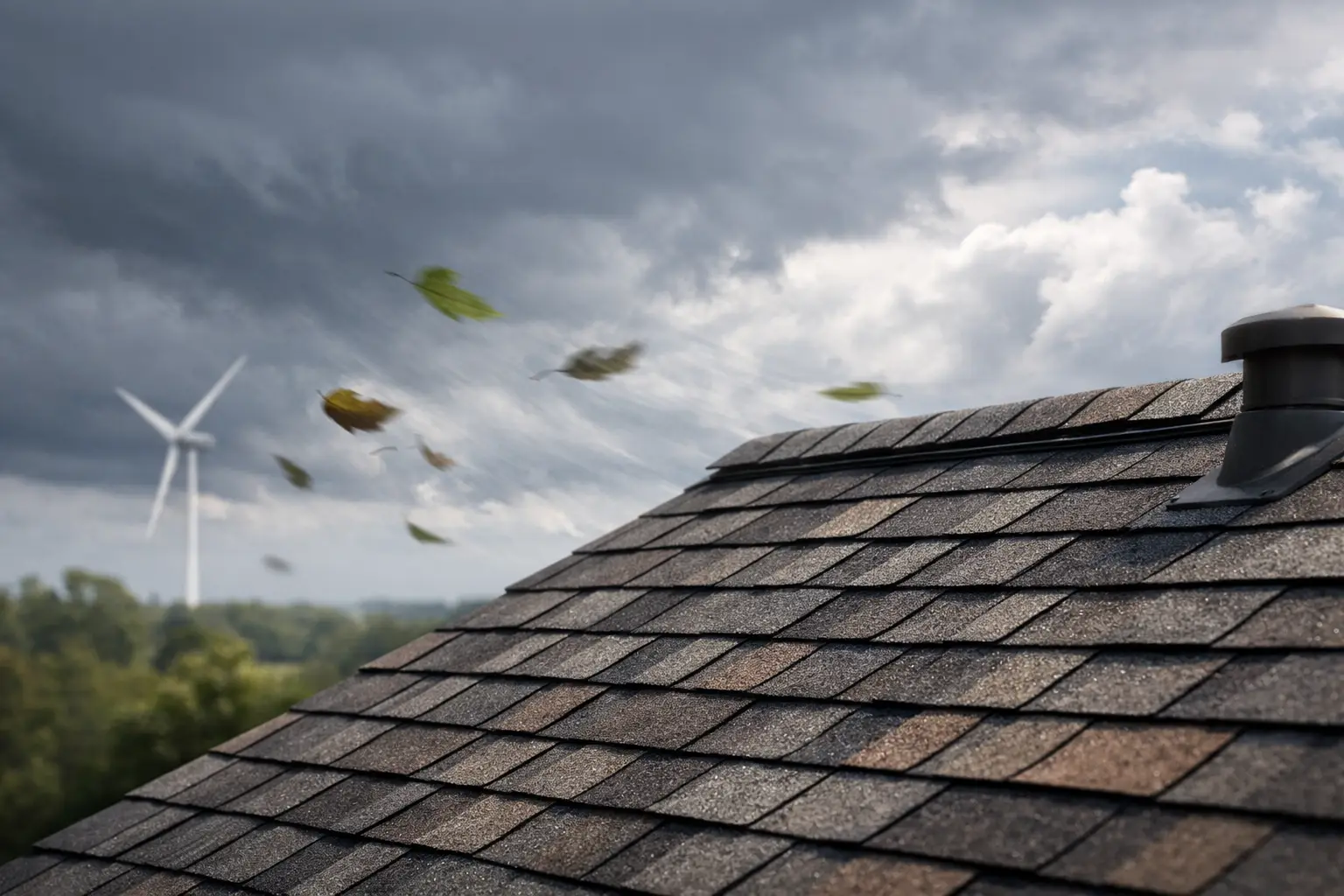
A roof can look perfectly fine on a calm afternoon and still be one strong storm away from trouble. For homeowners in Memphis and nearby communities, choosing the best shingles for wind resistance is not just about curb appeal. It is about protecting your home from lifted tabs, blown-off shingles, water intrusion, and the expensive repairs that often follow.
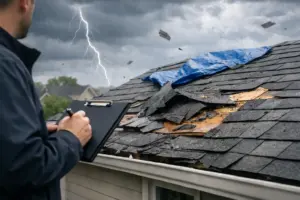
Wind damage is rarely just a roofing issue. Once shingles break loose, rain can reach the underlayment, roof deck, insulation, and even interior ceilings. That is why the right shingle matters, but so does the way the entire roof system is installed.
What makes shingles wind resistant?
When people ask about wind-resistant shingles, they are usually asking which product is least likely to blow off in a storm. That is part of the answer, but not the whole picture. Wind resistance comes from a combination of shingle design, sealant performance, nail placement, roof deck condition, attic ventilation, and how well the installer follows manufacturer specifications.
Most asphalt shingles are tested and rated for wind performance. You may see ratings such as 110 mph, 130 mph, or higher under specific installation methods. On paper, that sounds straightforward. In practice, the rating only means something if the shingles are installed exactly as required. A high-end shingle installed poorly can fail sooner than a midrange shingle installed correctly.
Shingle weight also plays a role. Heavier shingles typically offer better resistance than lightweight basic products, though weight alone does not guarantee better performance. The adhesive strip, tab design, and reinforced nailing zone all matter.
Best shingles for wind resistance: which type performs best?
For most homes, architectural asphalt shingles are the best balance of wind performance, value, appearance, and availability. They are thicker than traditional 3-tab shingles, have a laminated construction, and usually carry stronger wind ratings. Many premium architectural shingles are rated up to 130 mph when installed with the manufacturer’s required fastening pattern and accessory products.
That is why architectural shingles are usually the first recommendation for homeowners who want better storm protection without moving into specialty roofing materials. They also tend to age better visually, which matters if you want your roof to add to the home’s appearance rather than just cover it.
Designer or luxury asphalt shingles can offer strong wind resistance too, especially in premium product lines. These shingles are heavier and often built to mimic slate or wood shake. They can be a smart choice if you want a more distinctive look and are already planning for a higher roofing budget. The trade-off is cost. You may get excellent performance, but you will pay more for material and labor.
Traditional 3-tab shingles are generally the least wind resistant option among common asphalt roofing products. They can still be appropriate in some lower-budget situations, but they are more vulnerable to uplift and tab damage during severe weather. In a storm-prone region, many homeowners find that the upfront savings are not worth the shorter lifespan and lower resilience.
If you are comparing materials beyond asphalt, metal roofing can perform extremely well in high winds when properly installed. However, it comes with a different price point, a different visual style, and a different installation process. For many residential homes in this market, high-quality architectural shingles remain the most practical choice.
Wind ratings matter, but installation matters more
This is where many roofing decisions go wrong. Homeowners compare brochure numbers without asking what those numbers require in the field. A shingle rated for 130 mph may need six nails per shingle, specific starter strips, matching ridge products, and strict placement within the manufacturer’s nailing zone. Miss that target, and the rating does not mean much.
The roof deck underneath the shingles also has to be sound. If the decking is soft, rotted, or uneven, shingles cannot fasten the way they should. The same goes for old flashing, improper ventilation, or weak edge details along eaves and rakes. Wind often attacks roofs at the edges first, which is why those transition areas deserve as much attention as the field shingles.
This is also why manufacturer-certified installation matters. Certified crews are trained to install systems to code and to the manufacturer’s standards, not just to get the roof on quickly. That protects your warranty coverage and gives your roof a better chance of performing the way it was designed to.
Features to look for in the best shingles for wind resistance
If you want shingles that hold up better in storms, focus on a few practical features.
A laminated architectural design is usually the first sign you are looking at a stronger product category. Reinforced nailing zones are another major advantage because they help crews place nails more accurately and consistently. Strong factory-applied sealant strips help shingles bond properly once activated by the sun. Some premium product lines also include impact resistance, which can be helpful if your area sees hail along with high wind.
It is also worth asking whether the full roofing system is designed to work together. Starter shingles, ridge caps, underlayment, ice and water protection in vulnerable areas, and proper attic ventilation all contribute to long-term performance. A roof is a system, not just a layer of shingles.
How Memphis-area weather affects your choice
In the Memphis area, roofing materials have to handle more than one challenge. Strong thunderstorms, wind-driven rain, humidity, heat, and seasonal temperature swings all put stress on a roof. That means the best choice is not necessarily the most expensive shingle on the market. It is the product that performs reliably in local conditions and is installed with attention to detail.
Heat can affect how shingles age over time, while humidity can expose weaknesses in attic ventilation and roof deck moisture control. Storm season adds the obvious concern of uplift and shingle loss. That combination makes it smart to choose a shingle with a strong wind rating from a reputable manufacturer and pair it with a complete, code-compliant installation.
For many homeowners here, that points back to premium architectural asphalt shingles from a trusted brand, installed by a contractor who understands local weather patterns and the insurance process when storm damage is involved.
Price versus protection
It is natural to look at roofing options through the lens of cost. A roof replacement is a major home investment, and no one wants to overpay. Still, the cheapest shingle is often the most expensive choice over time if it fails early or needs repeated repairs after storms.
A better way to think about it is value over the life of the roof. If a stronger architectural shingle gives you better wind resistance, better warranty coverage, longer service life, and fewer repair headaches, the added upfront cost may be well worth it. That is especially true if your current roof has already shown signs of wind damage or if your neighborhood regularly sees storm-related claims.
This does not mean every home needs the highest-tier shingle available. It means your roof should match your home’s exposure, your budget, and your long-term plans. If you expect to stay in the home for years, investing in better materials usually makes more sense than patching weaknesses later.
Questions to ask before choosing a shingle
A good roofing conversation should be specific, not sales-heavy. Ask what wind rating the recommended shingle carries and whether that rating depends on a special installation method. Ask how many nails per shingle will be used. Ask whether the estimate includes starter shingles, ridge cap shingles, underlayment, and any required deck repair.
You should also ask about workmanship warranties, manufacturer certification, and whether the contractor will document the installation. Clear, itemized estimates matter because they show exactly what you are paying for and reduce surprises once work begins.
If your roof has storm damage, it is also reasonable to ask how the contractor handles insurance claim support. That process can be stressful for homeowners, and experienced guidance helps keep things moving.
The right shingle is only part of a reliable roof
Even the best product cannot compensate for rushed workmanship. A dependable roof comes from good materials, careful installation, thorough cleanup, and a contractor who treats your home with respect from inspection to final walkthrough. That is the standard homeowners should expect.
At Precision Roofing & Exteriors, we have seen how much difference proper product selection and certified installation make after severe weather moves through the area. Homeowners usually feel more confident once they understand their options in plain language and can compare protection, warranty coverage, and budget without pressure.
If you are weighing the best shingles for wind resistance, the smartest next step is not guessing from product packaging. It is getting a professional roof inspection, understanding the condition of the full system, and choosing a solution built for your home and your weather. A stronger roof starts with clear answers, and that peace of mind is worth a lot before the next storm shows up.