A roof leak often begins in a place homeowners cannot see: beneath the shingles, where wind-driven rain finds a seam, nail opening, or roof transition. So, what is ice and water barrier? It is a self-adhering waterproof membrane installed under roofing materials in high-risk areas to help stop water from reaching the roof deck and the living spaces below.
For Memphis-area homes, its name can be a little misleading. We do see winter weather, but the greater concern is often heavy rain, thunderstorms, high winds, and storm-driven water. When installed correctly, ice and water barrier adds a critical layer of protection where shingles alone may not be enough.
What Is Ice and Water Barrier Made Of?
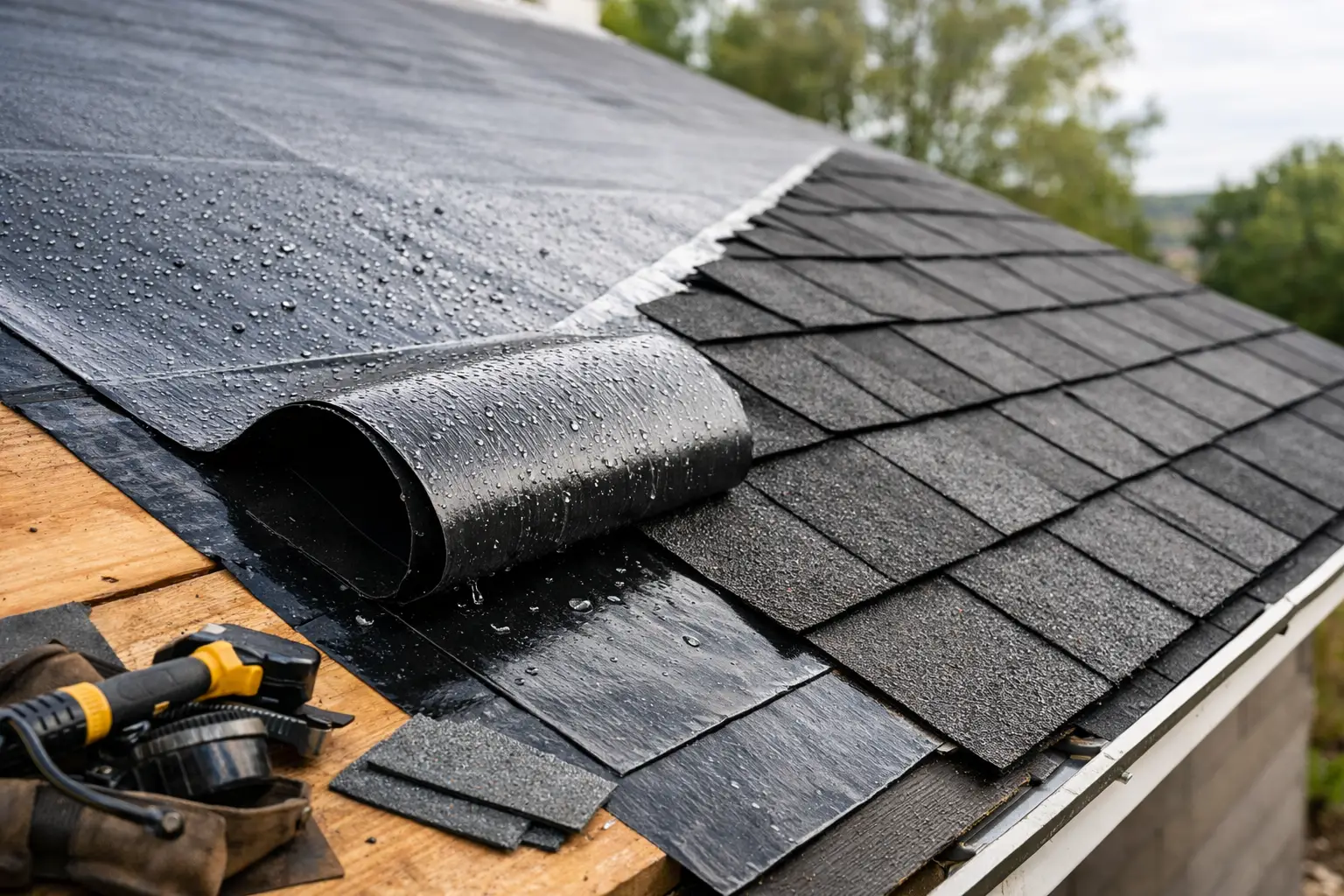
Ice and water barrier, sometimes called ice and water shield, is a peel-and-stick roofing underlayment. It has a waterproof surface and an adhesive backing that bonds directly to the roof deck. Unlike standard synthetic or felt underlayment, this material seals more tightly around roofing nails.
That nail-sealing quality matters. Every shingle roof has thousands of fasteners. Under normal conditions, shingles shed water before it ever reaches those nails. But during wind-driven rain, a backed-up gutter, or water intrusion around a roof feature, moisture can get beneath the shingles. A properly installed barrier helps keep that water from traveling into the wood decking.
It is not a replacement for quality shingles, proper flashing, ventilation, or gutters. It is one part of a complete roofing system. The best results come when every layer is selected and installed to work together.
Where Should Ice and Water Barrier Be Installed?
Building code requirements, roof design, manufacturer instructions, and local weather all affect placement. A contractor should never treat every roof exactly the same. Still, ice and water barrier is commonly installed in the areas most exposed to water intrusion.
Roof Edges and Eaves
At the eaves, water can be pushed beneath shingles by wind or accumulate when drainage is slowed. In colder climates, this is also where ice dams can force melting water back under the roof covering. Memphis is not known for long, severe winters, but protecting vulnerable eaves can still make sense on many homes because of intense rain events and wind exposure.
Valleys
A valley is where two roof slopes meet. It handles a concentrated flow of rainwater, making it one of the most leak-prone sections of a roof. A self-adhering membrane beneath the valley material provides added backup protection if water gets beneath the shingles or valley flashing.
Around Chimneys, Skylights, and Dormers
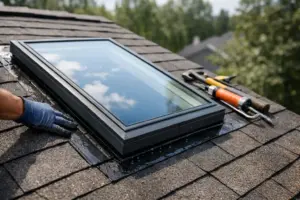
Roof penetrations and transitions require careful flashing because they interrupt the smooth flow of water down the roof. Chimneys, skylights, wall intersections, and dormers are common trouble spots, especially on older roofs where sealants and flashing may have deteriorated. Ice and water barrier can help reinforce these areas when used alongside correctly installed flashing.
Low-Slope Roof Sections
Shingles are designed to shed water, not hold standing water. On low-slope sections, rain moves more slowly and is more likely to work beneath the roofing materials. Depending on the roof pitch and product requirements, a contractor may recommend a broader application of self-adhering underlayment or a different roofing system altogether.
Why It Matters for Memphis-Area Homes
Homeowners sometimes assume ice and water barrier is only useful in northern states. That is not the full picture. In the Memphis area, severe thunderstorms can bring pounding rain and strong gusts that push water where it does not normally go. The barrier provides a second line of defense at the roof’s most vulnerable details.
It is especially valuable when a home has complex rooflines, multiple valleys, skylights, a chimney, or sections that receive heavy runoff. Homes surrounded by tall trees may also benefit from added protection at eaves and valleys, where leaves and debris can slow water flow during a storm.
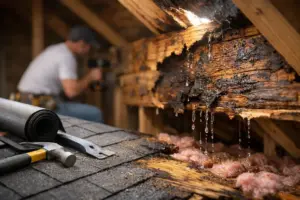
The value is not just about preventing an obvious ceiling leak. Small amounts of repeated water intrusion can stain drywall, soften roof decking, damage insulation, encourage mold growth, and create repair costs that grow over time. A quality roof replacement is an opportunity to address these hidden risks before the new shingles are installed.
Ice and Water Barrier vs. Standard Underlayment
Standard underlayment covers much of the roof deck beneath the shingles. It serves as a secondary moisture barrier and provides protection during installation before shingles are in place. Synthetic underlayment is widely used because it is lightweight, durable, and effective when installed as part of a complete roofing system.
Ice and water barrier is different because it adheres directly to the deck and seals around fasteners. It is typically reserved for targeted, high-risk locations rather than used across an entire roof.
Using the barrier everywhere is not automatically better. Full-deck coverage can be appropriate on certain roof designs, in specific climate conditions, or when required by a manufacturer or code. However, it can also add material cost and may affect how a roof assembly manages moisture. The right approach depends on your roof’s slope, ventilation, decking condition, existing materials, and local requirements.
A trustworthy roofing estimate should explain where this membrane will be installed and why. Vague language such as “underlayment included” does not tell a homeowner whether critical valleys, eaves, and transitions are receiving the protection they need.
Can Ice and Water Barrier Stop Every Roof Leak?
No roofing material can make up for poor installation or neglected damage. Ice and water barrier is highly effective as a backup layer, but it cannot correct missing flashing, cracked pipe boots, improperly fastened shingles, or a failing gutter system.
It also must be installed on a clean, dry, properly prepared roof deck. If the deck has rot, soft spots, or moisture damage, those issues should be identified and repaired before the new membrane and shingles go down. Covering damaged wood may hide the problem temporarily, but it does not protect your home for the long term.
Proper overlap is equally important. The membrane needs to extend far enough into vulnerable areas, integrate correctly with flashing, and follow the shingle manufacturer’s installation specifications. Details matter because water follows gravity, wind pressure, and the smallest available opening.
When Should You Ask About Ice and Water Barrier?
Ask during a roof inspection or before signing a roof replacement contract. This is the easiest time to confirm the materials and installation scope, rather than discovering omissions after old shingles have been removed.
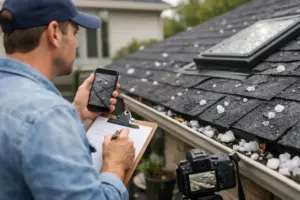
You should also ask if you have noticed recurring leaks near a chimney, skylight, valley, or interior wall. These patterns can point to a flashing or underlayment issue. A professional inspection can identify whether a focused repair is practical or whether the roof system has reached the point where replacement offers better value.
For storm damage claims, documentation matters as well. If wind has lifted shingles or damaged vulnerable roof edges, an inspection can help clarify the condition of the roof and the repairs needed to restore protection. A clear, itemized estimate gives homeowners a better understanding of what is being replaced, including the layers they will never see once the job is complete.
What to Expect During a Quality Installation
During a roof replacement, the existing shingles are removed so the contractor can inspect the decking. After needed deck repairs are completed, ice and water barrier is applied at the specified locations before underlayment, flashing, and shingles are installed.
This sequence is important. Roofing is a water-shedding system, so each layer must be integrated to direct water outward and downward. A clean jobsite and final walkthrough matter too, but the lasting quality of a roof is built into the details beneath the shingles.
At Precision Roofing & Exteriors, we believe homeowners deserve to know what is being installed on their homes and how it protects them. If your roof is aging, has storm damage, or has shown signs of a leak, a professional inspection can give you clear answers before a small weak point becomes a larger repair.