A skylight that drips during a Memphis downpour is rarely just a glass problem. Water may be getting past worn flashing, damaged shingles, a failed seal, or an aging skylight frame. Understanding skylight replacement cost factors helps you compare estimates with confidence and choose work that protects the roof around the opening, not just the view overhead.
Replacement pricing can vary considerably because every skylight is part of a larger roofing system. The right scope depends on the skylight type, its location, the condition of the surrounding roof, and whether hidden water damage is present. A clear, itemized estimate should explain those details before work begins.
What Drives Skylight Replacement Cost?
The skylight unit itself is only one part of the investment. Professional replacement also includes removing the existing unit, preparing the opening, installing compatible flashing, tying the work back into the roof, and confirming the area is watertight. When a contractor gives a price without discussing the roof and flashing, homeowners should ask what is included.
Skylight size and style
Larger skylights generally cost more because the unit, labor, flashing kit, and surrounding roof work all increase with the opening size. A standard fixed skylight is usually the most straightforward replacement. It does not open, has fewer moving parts, and is often a practical choice for hallways, stairwells, bathrooms, and living areas that need more natural light.
Venting skylights cost more than fixed models because they include operating hardware. Manual units may use a crank or rod, while electric and solar-powered options can include remote controls, wall switches, rain sensors, or smart-home features. Those conveniences can be worthwhile in high-ceiling rooms or humid spaces, but they add to both material cost and installation complexity.
Tubular skylights are another category. They use a reflective tube to bring daylight into smaller interior spaces. They can be an efficient option where a full skylight opening is not practical, although their installation still depends on roof access, attic framing, and the path between the roof and ceiling.
Glass, frame, and energy-performance options
The glazing you choose affects comfort as well as price. Modern skylights may include insulated glass, low-emissivity coatings, laminated safety glass, tints, or impact-resistant options. These features can help manage heat gain, reduce ultraviolet fading, improve safety, and make the room more comfortable through changing seasons.
In the Mid-South, sun exposure matters. A skylight facing south or west can bring welcome daylight but may also increase glare and afternoon heat. Higher-performance glass may carry a higher upfront cost, yet it can be a sensible long-term choice for rooms that receive strong direct sun. The best option depends on the room, roof orientation, ceiling height, and how the space is used.
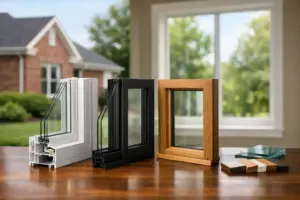
Frame material also plays a role. Durable, weather-resistant frames and manufacturer-designed flashing systems typically cost more than basic components, but they are designed to work together. A skylight should never be treated as a standalone opening in the roof. The unit, underlayment, flashing, and shingles must function as one water-shedding system.
Roof pitch, material, and access
A simple replacement on a low, accessible roof is different from a project on a steep two-story roof. Steeper slopes require additional safety measures and more time for careful material handling. Limited access, landscaping, fencing, or a tight driveway can also affect how crews move ladders, equipment, and debris safely around the property.
Roofing material matters, too. Asphalt shingles are common throughout the Memphis area and are generally more straightforward to integrate with a replacement skylight than some specialty materials. Metal, tile, slate, cedar shake, or low-slope roofing may require different flashing details, specialized labor, or custom fabrication.
The condition of the surrounding roof is equally important. If shingles near the skylight are brittle, heavily weathered, or already due for replacement, removing and reinstalling them can be more difficult. In some cases, replacing a skylight during a full roof replacement is the most efficient and protective approach because the contractor can install new underlayment and flashing while the roof deck is exposed.
Flashing Is One of the Biggest Skylight Replacement Cost Factors
Most skylight leaks occur at the connection between the skylight and the roof, not through the glass itself. That is why flashing deserves close attention when comparing skylight replacement cost factors. Proper flashing channels water around the unit and back onto the roof surface. It should be paired with the correct roof pitch, roofing material, and skylight model.
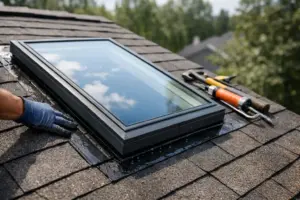
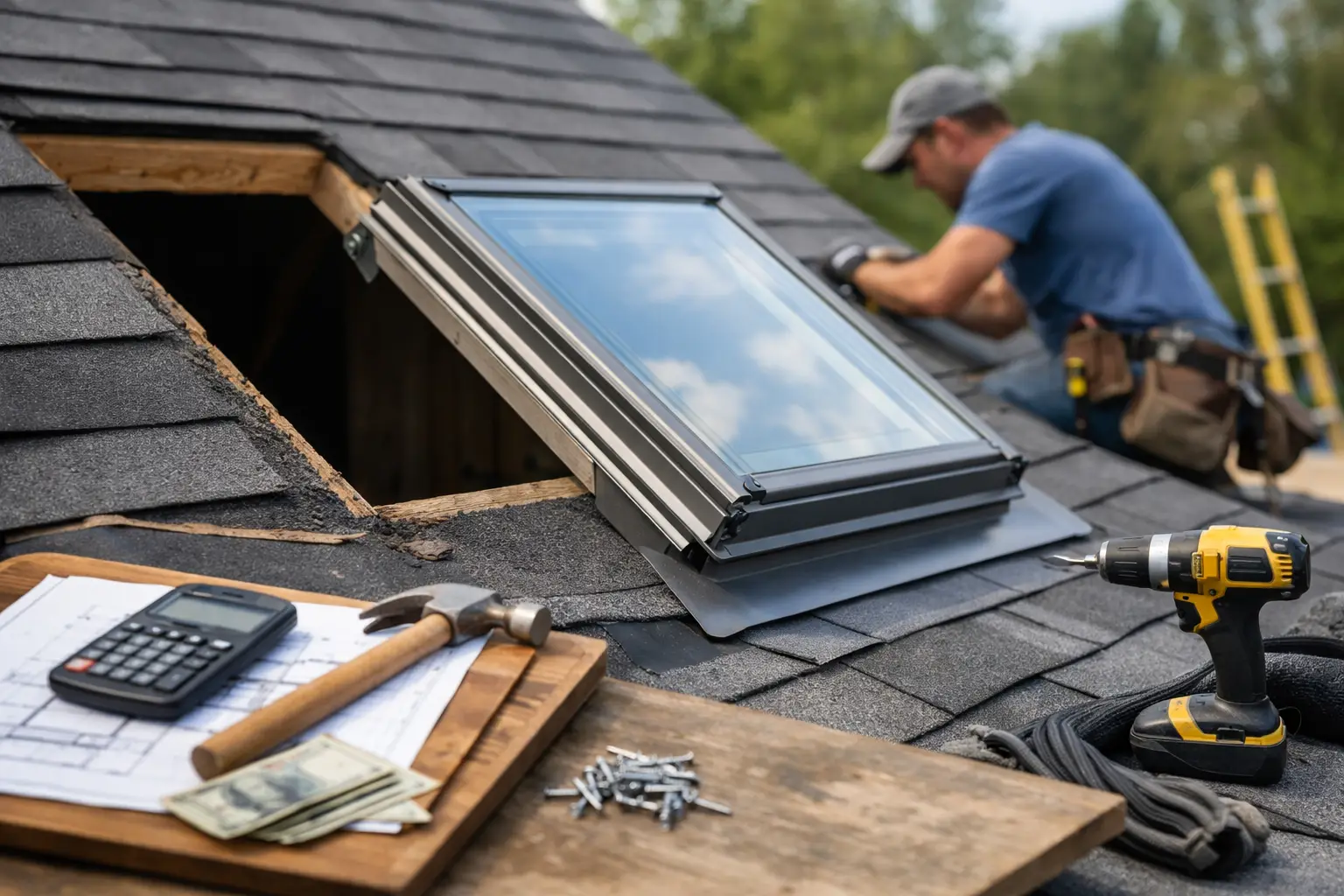
A quality installation commonly involves removing shingles around the existing skylight, inspecting the roof deck, installing water-shedding protection around the opening, setting the unit correctly, and integrating step flashing with replacement shingles. This work takes precision. Skipping those steps to create a lower quote can leave a homeowner with a new skylight and the same leak risk.
Manufacturer-specific flashing kits can add to the material cost, but they are often preferable to improvised solutions. They are engineered for the skylight model and roof type, supporting proper drainage and warranty requirements. For homeowners, that means less guesswork and a more dependable result.
Hidden damage and repairs around the opening
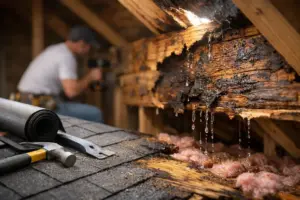
Until the old skylight is removed, it may be impossible to see the full condition of the roof deck and framing beneath it. A long-term leak can cause damp sheathing, soft wood, staining, mold-like growth, or insulation damage. Wind-driven rain can also expose weaknesses that are not obvious from inside the home.
A trustworthy contractor should explain how concealed conditions are handled before starting. Small deck repairs may be a reasonable added cost when discovered, while more significant framing or interior drywall repairs may require a broader scope. The goal is not to create surprise charges. It is to make sure the new skylight is installed over sound, dry materials that can support it properly.
Labor, Interior Finish, and Job Complexity
Exterior work is only part of a skylight replacement. Depending on the existing opening and the type of skylight selected, interior finishing may be needed. Drywall around the shaft, trim, paint touch-ups, or ceiling repairs can add to the total, especially if past leaks have stained or damaged the interior.
A like-for-like replacement – the same general size in the same opening – is usually less complicated than enlarging, moving, or adding a new skylight. Changing the opening can involve reframing roof rafters, modifying the ceiling shaft, relocating electrical components, and finishing new interior surfaces. It can create a dramatic improvement in natural light, but it should be planned as a more involved renovation rather than a simple replacement.
Timing can also influence labor planning. Emergency leak response may be necessary after severe weather, but a temporary repair is sometimes the safest first step until materials arrive or conditions allow for full replacement. Good contractors protect the home first, then schedule permanent work with the right unit and flashing components.
How to Compare Skylight Replacement Estimates
The lowest number on paper is not always the lowest cost over time. Compare the scope, not just the final price. A complete estimate should identify the skylight model or performance level, whether flashing is included, how surrounding roofing will be handled, and whether removal and disposal are part of the work.
Ask whether the contractor will inspect the roof deck once the old unit is removed and how they will communicate if repairs are needed. You should also understand what workmanship warranty applies and whether the skylight manufacturer has installation requirements for product coverage.
For a project involving an older roof, ask whether replacing the skylight during roof replacement would save labor or provide a better long-term system. There is no single answer. A newer roof may support a standalone skylight replacement, while an aging roof may make coordinated work the smarter investment.
When Replacement Makes More Sense Than Repair
Not every skylight issue requires full replacement. A minor flashing issue, clogged drainage channel, or small interior condensation concern may be repairable. However, replacement is often worth considering when the glass seal has failed, the frame is cracked or warped, repeated leaks return after repairs, or the unit is near the end of its service life.
Fogging between panes is a common sign of a failed insulated-glass seal. Water stains, bubbling paint, and soft drywall should also be addressed promptly, even when the source seems small. Waiting can turn a manageable exterior repair into roof-deck and interior restoration work.
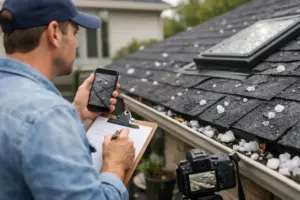
For Memphis-area homeowners, the best next step is a professional inspection that looks at the skylight, flashing, shingles, attic-side conditions, and interior ceiling together. Precision Roofing & Exteriors can help homeowners understand the condition of the complete system and provide a straightforward estimate built around lasting protection. A well-planned skylight replacement should leave your home brighter, drier, and ready for the next hard rain.