
A roof leak after a Memphis thunderstorm, gutters pulling away from the fascia, or siding that has begun to warp can make the search feel urgent. But choosing the first company that answers the phone can create a second problem. Knowing how to choose an exterior contractor means looking beyond a low number on an estimate and finding a team that will protect your home, communicate clearly, and stand behind the work.
Your exterior systems work together. A roof replacement can affect flashing and gutters. New windows should be properly integrated with siding and weather barriers. When one detail is missed, water can find its way into places you cannot see. The right contractor understands the full building envelope and treats your home with the care it deserves.
How to Choose an Exterior Contractor With Confidence
Start by defining the work you need, even if you do not yet know the exact repair or replacement. You may see a ceiling stain, missing shingles, overflowing gutters, drafty windows, or storm damage. A qualified exterior contractor should inspect the issue, explain what they found in plain language, and recommend an appropriate scope of work.
Be cautious when a contractor pushes for a full replacement before inspecting the underlying concern. Sometimes replacement is the smartest long-term investment. Other times, a focused repair, flashing correction, gutter adjustment, or siding repair may solve the problem. An honest recommendation should reflect the condition of your home, your goals, and the expected service life of the existing materials.
Confirm local experience and a real business presence
Memphis-area homes face intense sun, heavy rain, high humidity, wind, and sudden storm activity. Those conditions influence material choices and installation details. A contractor with local experience should understand common trouble spots, from wind-lifted shingles and damaged flashing to drainage issues that can affect fascia, siding, and foundations.
Ask how long the company has been serving local homeowners and whether it has a physical business presence, not just a temporary phone number. Confirm that it is properly licensed and insured for the work it performs. General liability and workers’ compensation coverage matter because they help protect both the crew and the homeowner if an accident happens on the property.
A local contractor also has more at stake after the job is complete. If a question arises months later, you should be able to reach the same team that performed the work.
Look for qualifications that support better installation
Materials perform best when they are installed according to manufacturer specifications and local code requirements. Ask whether the contractor’s crews are trained or certified by the manufacturers whose products they install. Certification is not a guarantee that every job will be perfect, but it is meaningful evidence that the contractor has met training, quality, and business standards.
Also ask who will actually do the work. Will the company use its own experienced crews, vetted subcontractors, or a mix of both? There is no single answer that fits every project, but the contractor should be direct about crew oversight, jobsite supervision, and who is responsible for quality control.
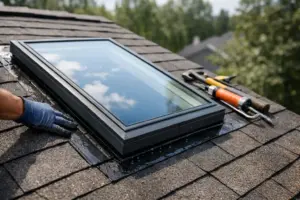
For roofing, siding, windows, skylights, and gutters, installation details are just as important as the visible product. Proper underlayment, flashing, ventilation, sealing, fastening, drainage, and trim work all affect the life of the system.
Read Estimates for Scope, Not Just Price
Two estimates can differ by thousands of dollars because they include different work. That does not automatically mean the higher quote is the better value, or that the lower quote is a bad choice. It means you need to compare the scope line by line.
A professional estimate should identify the material type, product line when applicable, quantities or measurements, labor, removal of old materials, disposal, and key installation components. For a roofing project, that may include decking repairs if needed, underlayment, ice and water protection where appropriate, flashing, ridge ventilation, pipe boots, and cleanup. For gutters, it should clarify size, material, downspout placement, and whether old gutters are being removed.
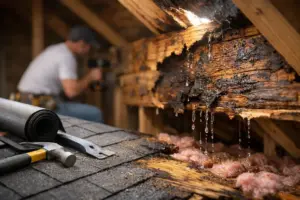
Ask what happens if hidden damage is discovered after work begins. Rotten decking, deteriorated fascia, or water-damaged sheathing may not be visible during an initial inspection. A trustworthy contractor will explain how change orders are handled, seek approval before moving forward with added work, and document the reason for the cost.
Never feel pressured to sign an estimate you do not understand. A good contractor welcomes questions because clear expectations prevent surprises later.
Compare materials by performance and fit
Premium materials can offer stronger warranties, better color options, improved impact resistance, or longer service life. They may also cost more upfront. The best choice depends on your home’s design, the condition of surrounding exterior systems, your budget, and how long you plan to stay in the home.
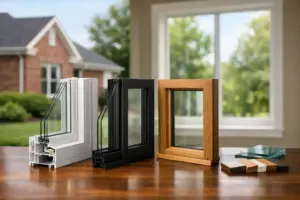
For example, an impact-resistant shingle may be worth considering for homeowners concerned about recurring storm exposure. Energy-efficient windows may help improve comfort in rooms that feel hot in summer or drafty in winter. Seamless gutters can reduce leak points compared with sectional systems, but they still need proper slope and downspout planning to manage water effectively.
A qualified contractor should present options without turning every conversation into an upgrade pitch. You deserve to understand the trade-offs before making a decision.
Ask About Warranties, Cleanup, and Communication
A warranty is only useful when you understand what it covers. Manufacturer warranties generally address material defects. Workmanship warranties address installation-related issues. Ask for the workmanship warranty in writing and clarify its length, what is covered, how service requests are handled, and whether registration is required for any manufacturer coverage.
The jobsite experience matters, too. Exterior work can be disruptive, but it should not leave your property looking careless. Ask how the crew protects landscaping, driveways, and outdoor belongings; how debris is contained; and how nails and loose materials are collected. A final walkthrough should give you a chance to review the completed work, ask questions, and make sure the site has been cleaned properly.
Pay attention to communication before you hire a contractor. Do they return calls, arrive when promised, and explain next steps? Do they provide a realistic schedule rather than an empty promise? Weather can change exterior project timelines, especially during storm season, but a responsive company keeps you informed instead of leaving you to chase updates.
Choose Help, Not Pressure, for Storm and Insurance Claims
After hail, wind, or fallen tree damage, urgency can make homeowners vulnerable to high-pressure sales tactics. Avoid anyone who demands an immediate signature, offers to cover your deductible, or promises insurance approval before a proper inspection. Those are warning signs, not signs of exceptional service.
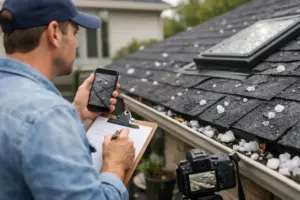
A reliable contractor can document visible storm-related damage, provide a detailed estimate, and help you understand the repair process. Insurance claim assistance can be valuable, especially when damage affects multiple parts of the exterior. Still, your insurer makes the coverage decision, and you remain responsible for understanding your policy, deductible, and final agreement.
If the damage is actively allowing water into the home, ask about emergency protection or temporary repairs. Stabilizing the situation quickly can limit further damage while you make a thoughtful decision about permanent work.
Consider Whether One Contractor Can Coordinate the Whole Exterior
Managing separate companies for roofing, gutters, siding, windows, and storm repairs can create gaps in responsibility. One contractor may blame another when flashing, trim, or drainage details do not align. For projects involving more than one exterior system, a full-service team can simplify scheduling, communication, and accountability.
That does not mean every project requires a large scope. A specialized repair may be all you need. But if your roof, gutters, siding, or windows are approaching the end of their service life, it is worth asking for a coordinated assessment. Precision Roofing & Exteriors helps homeowners evaluate these connected systems so repairs and upgrades work together rather than compete for your budget.
Trust the Details Before You Sign
The strongest contractor choice is rarely based on one factor. It comes from a pattern: clear answers, documented credentials, itemized pricing, quality materials, trained installation crews, written warranty coverage, respectful cleanup, and reliable follow-through.
Before signing, take one final look at the proposal and make sure it states the scope, materials, payment schedule, warranty terms, and process for unexpected conditions. Then choose the company that makes you feel informed, not rushed. Your home should be better protected when the work is done, and you should feel just as confident about the people who did it.