
A storm can leave behind more than missing shingles. It can leave a homeowner staring at a ceiling stain, a confusing insurance estimate, and a long list of unanswered questions. This storm restoration insurance success example shows what can happen when the damage is documented early, the repair scope is reviewed carefully, and the homeowner has a qualified local contractor in their corner.
The details below are a representative homeowner scenario based on the type of storm-related concerns Memphis-area property owners commonly face. Every policy, storm event, and claim is different, so no contractor can promise coverage or a specific claim outcome. Still, a disciplined process can make the difference between an overlooked repair and a home that is properly restored.
The Storm Damage Started Small
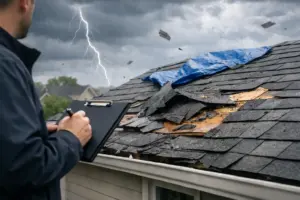
After a strong line of spring storms moved through the Memphis area, a homeowner noticed a few dark granules collecting near a downspout. From the ground, the roof looked mostly intact. There were no dramatic holes, no tarp flapping in the wind, and no water pouring through the ceiling.
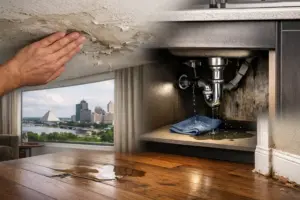
But a closer inspection told a different story. Several shingles showed wind-related creasing and lifted edges. There were impact marks consistent with hail on sections of the roof, along with damaged gutter components and a few compromised areas around roof penetrations. The homeowner had also noticed a small stain in an upstairs closet after heavy rain.
This is where many claims become more difficult than they need to be. Homeowners may wait because the damage does not look urgent, or they may assume a few missing granules are simply part of an aging roof. Waiting can allow water intrusion to spread, and it can make it harder to connect visible interior damage to a specific weather event.
The homeowner scheduled a professional inspection promptly. The goal was not to force a claim. It was to get clear, honest information about the condition of the roof and exterior.
What Made This Storm Restoration Insurance Success Example Work
The strongest insurance claims are not built on pressure or assumptions. They are built on evidence, accurate communication, and a repair scope that reflects the home’s actual condition.
In this case, the inspection documented storm-related damage across more than one roof slope. Photos showed the condition of the shingles, flashing, vents, gutters, and affected areas near the leak. Notes also identified items that were not storm damage, including normal wear in a few areas. That distinction mattered. A contractor who identifies only what supports a claim is not protecting the homeowner. Honest findings create a more credible path forward.
The homeowner was then able to file a claim with organized information rather than a vague description of “roof trouble.” When the insurer scheduled an adjuster inspection, the contractor was available to meet on site, point out documented areas of concern, and help ensure the scope considered the full exterior system.
That does not mean the contractor negotiated the policy or dictated the outcome. The insurer made its own coverage determination. However, having clear documentation and a knowledgeable professional present helped reduce the chance that visible damage would be missed during a brief inspection.
The First Estimate Did Not Tell the Whole Story
The initial insurance estimate recognized several repairs but did not include every item needed for a complete, code-compliant restoration. This is common. Adjusters work from the information available at the time of inspection, and some damage or necessary installation components may become clearer after a detailed review.
The contractor compared the insurer’s estimate against the documented damage and the requirements for properly replacing the affected roof sections. The review identified missing line items related to components needed for a sound installation, as well as exterior damage that had not been fully included.
A supplement was submitted with photographs, measurements, and a clear explanation of the additional work. This was not about inflating the project. It was about making sure the scope addressed the materials and labor required to restore the roof correctly, rather than creating a patchwork repair that could cause trouble later.
After review, the insurer approved additional items. The homeowner could move ahead with a complete restoration plan while paying the policy deductible and any non-covered upgrades they chose to make.
The Restoration Focused on Protection, Not Just Appearance
Once the claim scope was settled, the work moved quickly. The crew protected landscaping and surrounding surfaces before removing the damaged roofing materials. Underlying decking was inspected as the old roof came off, because storm damage can sometimes reveal moisture concerns that are impossible to confirm from the ground.
The replacement system included properly installed underlayment, flashing details, ventilation considerations, and new shingles selected to complement the home’s exterior. Damaged gutter components were addressed so rainwater could move away from the foundation as intended.
That full-system approach matters in Mid-South weather. A roof is not just a field of shingles. It includes the transition points, drainage details, penetrations, and edges that help keep water out during wind-driven rain. Replacing visible shingles without addressing these details may look finished on day one but leave the home vulnerable when the next storm arrives.
The homeowner also chose an upgraded shingle color that improved curb appeal. That choice was optional and paid separately where needed, but it was practical to make during the restoration rather than returning for another project later.
Cleanup and Communication Were Part of the Result
A successful restoration should not leave a homeowner with a new roof and a messy yard. Daily cleanup, magnetic nail sweeps, and a final walkthrough were built into the process. The homeowner received clear updates about scheduling, material delivery, weather delays, and the work being completed.
At the final walkthrough, the contractor reviewed the completed exterior work, answered questions about warranty coverage, and made sure the homeowner knew what to watch for after future storms. The result was more than a repaired roof. It was renewed confidence that the home was protected.
What Homeowners Can Learn From This Claim Experience
The central lesson from this storm restoration insurance success example is simple: act early, but act carefully. If a storm has passed through your neighborhood, a professional inspection can identify whether there is actual damage before a small issue becomes a larger repair.
Homeowners should take their own photos after a storm when it is safe to do so, especially of fallen branches, damaged gutters, missing shingles, or interior water spots. Keep receipts for emergency mitigation work, such as temporary leak protection. If water is entering the home, address it promptly to prevent additional damage. Most policies expect homeowners to take reasonable steps to prevent further loss.
It also helps to read the declarations page of your policy before filing. Pay attention to the deductible, whether your coverage is replacement cost value or actual cash value, and any special endorsements that may affect roof claims. Depreciation can be recoverable under some policies after completed work is documented, while other policies handle it differently.
Be cautious with anyone who promises to waive your deductible, guarantees claim approval, or pressures you to sign paperwork before explaining the scope. A dependable contractor should be comfortable giving you a straightforward assessment, an itemized estimate, and time to make an informed decision.
When Repair May Be the Better Choice
Not every storm inspection leads to a full replacement or an insurance claim. If damage is isolated and the existing roof is otherwise in good condition, a targeted repair may be the better investment. If the cost of work is close to or below the deductible, filing a claim may not make sense.
The right decision depends on the type and extent of damage, the age of the materials, the condition of the full exterior system, and the terms of the policy. A trustworthy inspection should give you options, not steer every homeowner toward the same answer.
For Memphis-area homeowners, Precision Roofing & Exteriors approaches storm work with that mindset: document carefully, communicate clearly, and restore the home with workmanship that supports long-term protection. After a storm, the most helpful next step is often not a rushed decision. It is a qualified inspection that gives you the facts, a realistic path forward, and a little more peace of mind.