A new roof can carry more than one promise, but those promises do not protect the same problem. Understanding the difference between a manufacturer warranty vs workmanship warranty helps Memphis-area homeowners ask better questions before signing a contract – and avoid surprises if an issue appears after installation.
For most roofing projects, the material manufacturer stands behind the shingles or other products, while the contractor stands behind the installation. Both matter. Even premium roofing materials can fail early when installed incorrectly, and excellent installation cannot make a defective product perform as intended.
What Is a Manufacturer Warranty?
A manufacturer warranty is issued by the company that makes the roofing product. It generally covers defects in the materials themselves, such as shingles that fail prematurely because of a manufacturing issue. The precise coverage, term, transfer rules, and exclusions depend on the product line and the manufacturer.
For example, a shingle manufacturer may offer a limited lifetime warranty on certain architectural shingles. That language can sound simple, but “limited” is doing real work. Coverage may be strongest during an initial period, then shift to prorated material coverage later. In many cases, the warranty pays for replacement materials but not all costs related to tear-off, disposal, labor, or interior damage.
Manufacturer warranties also commonly require the roof system to be installed according to published instructions. That may include compatible underlayment, starter shingles, ridge cap shingles, ventilation components, and flashing details. If the system was not installed correctly, a manufacturer may deny a claim even when the shingle itself is being questioned.
What a manufacturer warranty usually does not cover
A product warranty is not a blanket insurance policy for the roof. It typically does not cover storm damage, fallen trees, hail, wind events beyond stated limits, poor attic ventilation, building movement, neglect, or damage caused by someone walking on the roof. Those concerns may fall under homeowners insurance, maintenance responsibilities, or a contractor’s workmanship coverage instead.
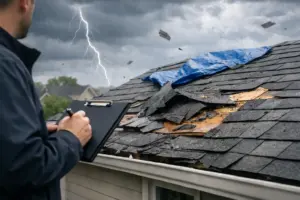
This is especially relevant in the Memphis area, where severe thunderstorms, wind, heavy rain, and hail can affect a roof quickly. A manufacturer warranty may help with a verified product defect, but it will not usually replace insurance coverage after a storm.
What Is a Workmanship Warranty?
A workmanship warranty is provided by the contractor that installed your roof. It covers installation-related defects – not defects in the shingles themselves. If a roof leaks because flashing was installed incorrectly, a pipe boot was not properly sealed, or a roofing detail did not meet installation requirements, the workmanship warranty is the protection designed to address it.
The length and terms of workmanship warranties vary widely. Some contractors offer a short coverage period, while others provide longer written coverage because they have confidence in their crews, training, materials, and quality-control process. The important detail is not simply the number of years. Homeowners should understand what the warranty covers, what response is promised, whether repairs include labor and materials, and how to submit a claim.
A clear workmanship warranty should be in writing. Verbal assurances are neighborly, but a documented warranty gives everyone a shared standard if service is needed later.
Why workmanship matters as much as the shingle
Roofing is a system, not a stack of shingles. The roof’s performance relies on correct deck preparation, underlayment, flashing, ventilation, fastener placement, valleys, penetrations, and transitions where the roof meets walls, chimneys, or skylights.
Most water intrusion problems trace back to installation details rather than a defective shingle. That is why choosing a qualified contractor is central to protecting the manufacturer warranty as well as receiving dependable workmanship coverage. A low bid can become expensive if it leaves out essential materials, proper ventilation, code-compliant upgrades, or skilled labor.
Manufacturer Warranty vs Workmanship Warranty: The Key Differences
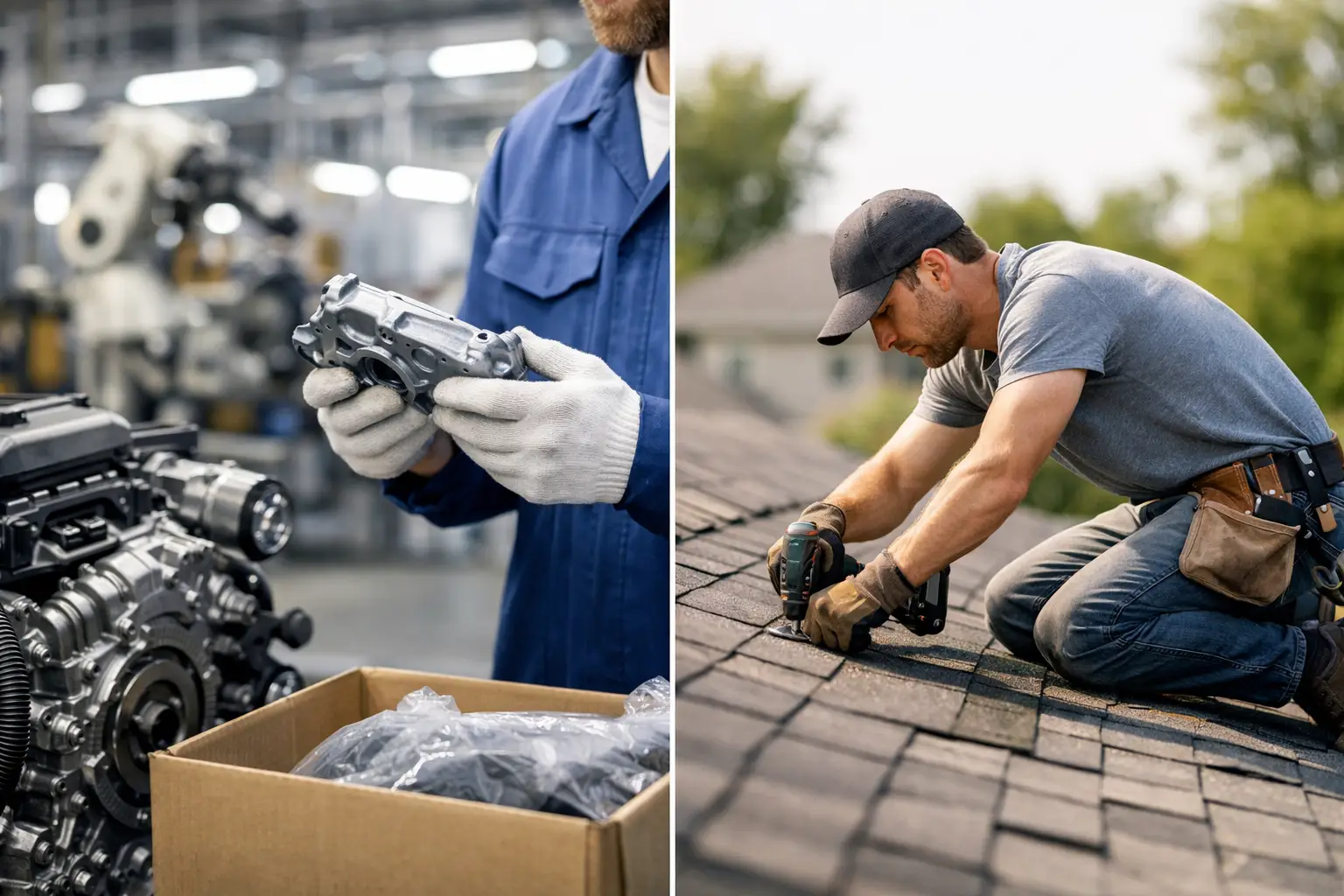
The simplest way to remember the distinction is this: the manufacturer covers the product, and the contractor covers the installation.
If shingles crack, blister, lose granules abnormally, or otherwise fail because of a verified factory defect, the manufacturer warranty may apply. If water enters around a vent, chimney, wall flashing, or valley because that area was installed incorrectly, the workmanship warranty may apply.
There can be overlap during a claim review. A manufacturer may inspect whether the materials were defective and whether the roof was installed to specification. A contractor may inspect whether the concern is tied to installation, storm damage, normal wear, or another condition outside warranty coverage. The cause matters more than the symptom. A ceiling stain, for instance, does not identify the source of the problem on its own.
Some manufacturers also offer enhanced system warranties through certified contractors. These may provide stronger coverage than a standard product warranty, sometimes including a period of labor coverage for qualifying systems. Eligibility often depends on using approved components and having the roof installed by a credentialed contractor. It depends on the manufacturer and product, so homeowners should review the actual warranty documents rather than relying on a general description.
Questions to Ask Before Your Roof Is Installed
A trustworthy estimate should make the scope of work easy to understand. Before choosing a roofing contractor, ask which manufacturer warranty comes with the selected material and request the written workmanship warranty. Confirm the manufacturer, product line, warranty term, transferability, and whether the project qualifies for an upgraded system warranty.
Also ask whether the proposal includes the full roofing system: underlayment, starter materials, ridge cap, flashing, ventilation, pipe boots, and necessary deck repairs. These components affect performance and may affect warranty eligibility. An itemized estimate makes it easier to compare proposals fairly, rather than comparing only the shingle name or the final price.
It is also reasonable to ask who will perform the work, how the crew protects landscaping and driveways, what cleanup includes, and who to contact after the final walkthrough. Warranty protection is more valuable when the contractor has a responsive local service process behind it.
How to Protect Your Warranty Coverage
Keep your signed contract, paid invoice, warranty registration information, product labels if available, and photos from the completed project in a safe place. If a manufacturer registration is required, complete it promptly and save confirmation. A reputable contractor can explain whether registration is needed and which documents you should retain.
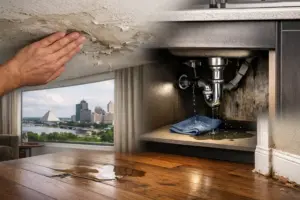
Address potential leaks quickly. Waiting through multiple rainstorms can allow a small exterior issue to become insulation damage, mold growth, or a larger interior repair. Early reporting also helps document the condition before temporary repairs, storm exposure, or other changes make the cause harder to determine.
Routine care matters, too. Keep gutters clear, remove heavy debris when it is safe to do so, and schedule an inspection after major storms or when you see missing shingles, lifted flashing, granules in gutters, or water staining indoors. Do not assume every concern is a warranty claim. A professional inspection can separate storm damage, maintenance needs, material defects, and installation concerns.
A Better Way to Evaluate Roofing Proposals
Do not choose between warranties as if one replaces the other. A strong roofing project should pair quality materials with qualified installation and a written commitment to stand behind the work. One protects against a defective product; the other protects against errors in putting the system together.
At Precision Roofing & Exteriors, that distinction is part of a straightforward process: explain the materials, document the scope, install with care, and remain available if a concern needs attention. Homeowners deserve to know exactly what protects their investment before the first shingle is installed.
The best time to understand warranty coverage is before you need it. Read the documents, ask direct questions, and choose a contractor whose workmanship promise is as clear as the manufacturer’s name on the shingle.