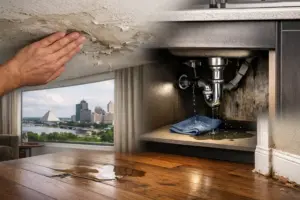
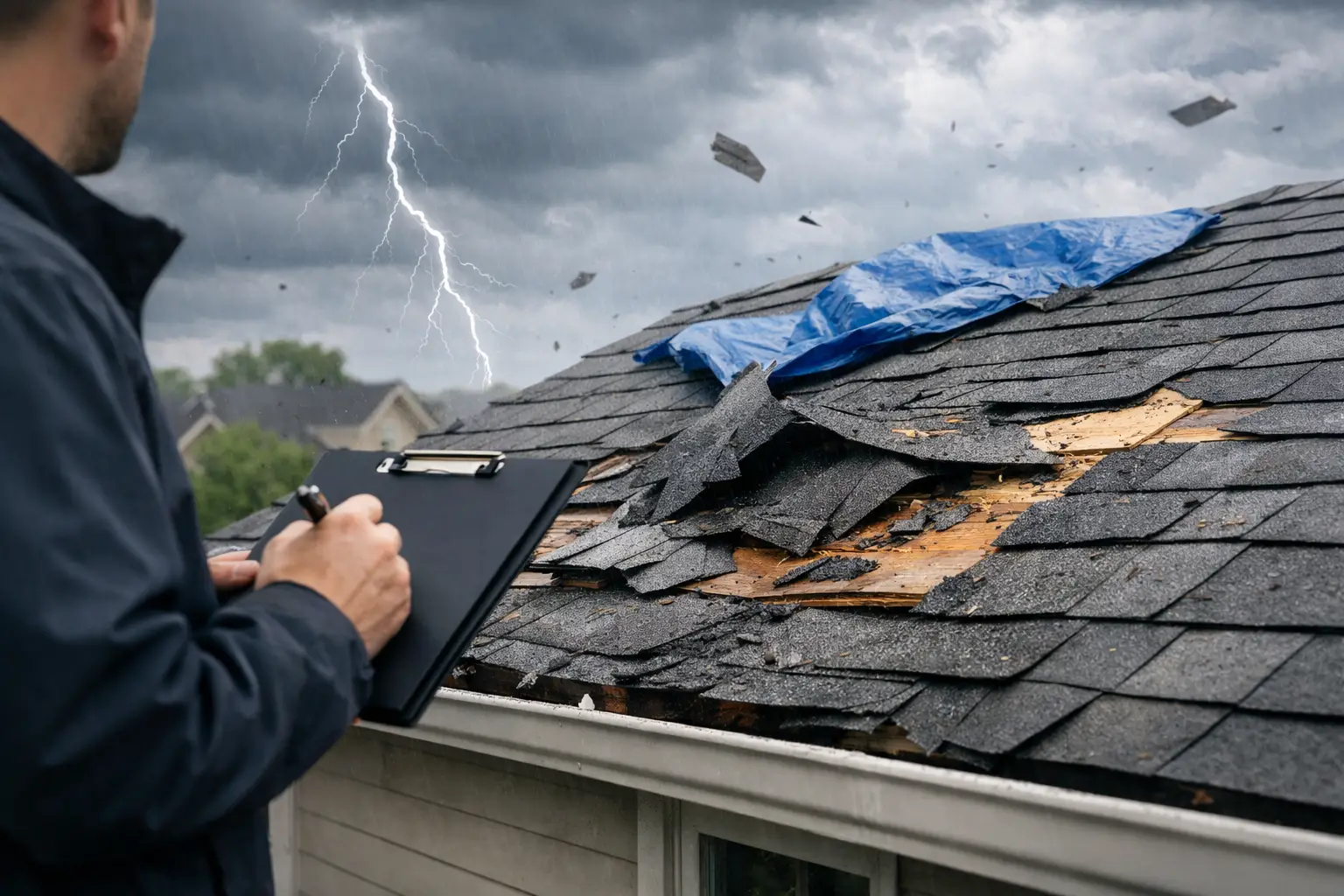
A hard Memphis-area storm can leave your yard covered in branches while your roof looks mostly unchanged from the driveway. That is exactly when homeowners ask, does insurance cover wind damage? Often, a standard homeowners policy can cover sudden wind damage to a roof, siding, gutters, windows, or other exterior components. But the answer depends on your policy, your deductible, the documented cause of damage, and the condition of your home before the storm.
Wind damage claims are rarely as simple as spotting a few shingles on the ground. Lifted shingles, broken seals, bent flashing, damaged gutters, and openings around vents can allow water into the home days or weeks later. A prompt professional inspection gives you a clear picture of what happened and helps you make an informed decision about repairs and an insurance claim.
Does Insurance Cover Wind Damage?
Most homeowners insurance policies provide coverage for windstorms as a named covered peril or within an open-peril dwelling policy. If a sudden wind event damages your roof or exterior, insurance may pay to repair or replace the affected materials, less your deductible and subject to the terms of the policy.
Coverage is generally intended for accidental, storm-related loss. For example, high winds that tear shingles loose, blow a tree limb onto the roof, damage ridge vents, or bend aluminum gutters may create a covered claim. Wind-driven rain that enters through a storm-created opening may also be covered, including certain resulting interior water damage.
The key distinction is whether the storm caused the opening or damage. If rain enters through an old leak, worn-out flashing, deteriorated caulk, or a roof already at the end of its service life, the insurer may classify the issue as maintenance rather than a covered wind loss.
Policies vary, and insurance adjusters make claim decisions based on the facts of the loss and your specific coverage. Reviewing your declarations page before storm season can help you understand your deductible, roof settlement type, and any special wind or hail limitations.
What Wind Damage Insurance May Pay For
A covered wind claim may include more than the obvious missing shingles. Depending on the policy and documented damage, insurance may consider repairs to the roof covering, underlayment, flashing, vents, gutters, siding, soffit, fascia, windows, skylights, and interior finishes damaged by water intrusion.
If a falling tree or limb damages your home during a windstorm, the policy may also cover removal of the tree from a covered structure. It usually does not pay to remove a tree that simply falls in the yard without damaging insured property. Landscaping, fences, detached structures, and debris removal can have separate limits, so avoid assuming every storm-related expense falls under the same coverage.
There is also a practical difference between repairing one damaged area and replacing an entire roof. Some policies pay for direct physical damage only, while others may include matching provisions or additional coverage when discontinued materials make a reasonable repair difficult. Local building codes can matter as well. If code-compliant repairs require upgrades to the roof deck, ventilation, or other components, ordinance or law coverage may help, but only if it is included in your policy.
Your Deductible Can Change the Decision
Even when wind damage is covered, filing a claim may not make financial sense if the repair cost is close to your deductible. A $2,500 deductible means you are responsible for the first $2,500 of a covered loss. If a repair estimate is $3,000, the insurance payment may be limited enough that handling the repair directly is the better option.
Some policies use a percentage deductible for wind or hail rather than a flat dollar amount. On a home insured for $400,000, a 1% deductible is $4,000. That number can surprise homeowners who have not reviewed their policy recently.
Your roof settlement method matters too. Replacement cost value coverage generally pays the reasonable cost to repair or replace covered damage with comparable materials, though insurers may release some funds after work is complete. Actual cash value coverage subtracts depreciation for age and wear. For an older roof, that difference can be significant.
A trustworthy contractor can provide an honest itemized estimate and explain whether the visible damage appears substantial enough to justify involving your insurance carrier. No contractor can promise claim approval, but clear documentation helps prevent avoidable confusion.
What Insurance Usually Does Not Cover
Homeowners insurance is not a maintenance plan. Claims are commonly limited or denied when damage results from gradual wear, neglected repairs, improper installation, rot, mold, repeated leakage, or materials that simply reached the end of their expected life.
For example, shingles that are brittle from age may crack during normal weather without showing evidence of a specific wind event. An insurer may conclude replacement is needed, but not covered. Similarly, a roof leak caused by clogged gutters, failed sealant, or long-standing flashing problems may be excluded even if a storm makes the leak more noticeable.
Flood damage is another separate issue. Wind-driven rain entering through a roof opening is different from flooding that rises from the ground or backs up through drainage systems. Standard homeowners coverage typically does not cover flood losses. Water backup coverage may also be optional rather than automatic.
Cosmetic damage can be complicated. Dented metal components or marked siding may be covered if the damage affects function or meets the policy definition of physical loss. In other cases, an insurer may determine the appearance change alone does not warrant replacement. This is one reason detailed photos and an experienced exterior inspection are valuable.
What to Do After a Windstorm
Safety comes first. Stay off the roof, keep clear of downed power lines, and do not attempt temporary repairs that put you at risk. If water is entering the home, move valuables away from the affected area and use safe temporary measures, such as containers and towels, to limit further damage.
Then take these practical steps:
- Photograph missing shingles, damaged gutters, fallen limbs, water spots, and debris before cleanup changes the scene.
- Make reasonable temporary repairs to prevent additional damage, keeping receipts for materials or emergency services.
- Schedule a professional exterior inspection so hidden damage can be documented safely and accurately.
- Contact your insurance company to report the loss if the inspection indicates storm damage that may exceed your deductible.
- Keep a file with photos, inspection notes, estimates, receipts, claim correspondence, and the adjuster’s contact information.
Do not wait too long to act. Insurance policies have reporting requirements, and delayed repairs can create questions about whether later water damage came from the original storm or from preventable deterioration. At the same time, there is no need to rush into signing a contract before you understand the scope of damage, deductible, and claim process.
How a Roofing Inspection Supports Your Claim
An inspection does not replace an adjuster’s decision, but it can identify damage that is difficult to see from ground level. Wind can break shingle seals without removing the shingles entirely. It can crease tabs, expose fasteners, loosen flashing, shift ridge caps, and damage roof penetrations where leaks often begin.
A thorough inspection should review the full roofing system, not just the most visible area. That includes roof slopes, valleys, pipe boots, chimney flashing, vents, skylights, gutters, fascia, and siding. The inspector should distinguish storm-related issues from normal wear and explain findings in homeowner-friendly terms.
When an adjuster visits, you have the right to be present and to have your contractor available to discuss documented damage. The goal should be accuracy, not pressure. A professional contractor can help explain repair methods, code-related requirements, and material scope while the carrier makes the final coverage determination.
For Memphis homeowners, timing matters because wind events are often followed by heavy rain, heat, and more severe weather. Precision Roofing & Exteriors can inspect storm-affected roofing and exterior systems, document visible concerns, and provide a straightforward repair or replacement estimate so you know your next step before small damage becomes a larger problem.
A Claim Is Only One Part of Protecting Your Home
A covered claim can help restore your home after a sudden storm, but the best outcome is a properly completed repair that protects the house long after the adjuster closes the file. Ask about the materials being installed, ventilation needs, flashing details, workmanship warranty, cleanup plan, and whether the proposed work meets current code requirements.
If your roof was not damaged enough for a claim, that does not mean the inspection was wasted. You may have caught a loose gutter, failing seal, worn pipe boot, or minor flashing issue before the next storm turns it into an interior leak. A clear inspection and a sensible repair plan give you control, whether insurance pays for the work or you handle it directly.
After the wind dies down, the most helpful next move is simple: get a qualified set of eyes on your roof and exterior. Knowing what is intact, what needs attention, and what your policy may cover brings far more peace of mind than guessing from the driveway.