A roof leak rarely shows up at a convenient time. It usually appears during a hard Memphis storm, right before guests arrive, or just when you were hoping to avoid a major home expense. When homeowners start weighing roof repair vs replacement, the real question is not just what costs less today. It is what protects your home best without creating bigger problems a year from now.
That decision deserves more than a quick guess from the ground. A missing shingle, ceiling stain, or patch of storm damage can point to a simple repair, but it can also be a sign that the roofing system is nearing the end of its service life. The right answer depends on the condition of the full roof, not just the most visible problem area.
Roof repair vs replacement depends on the whole roof
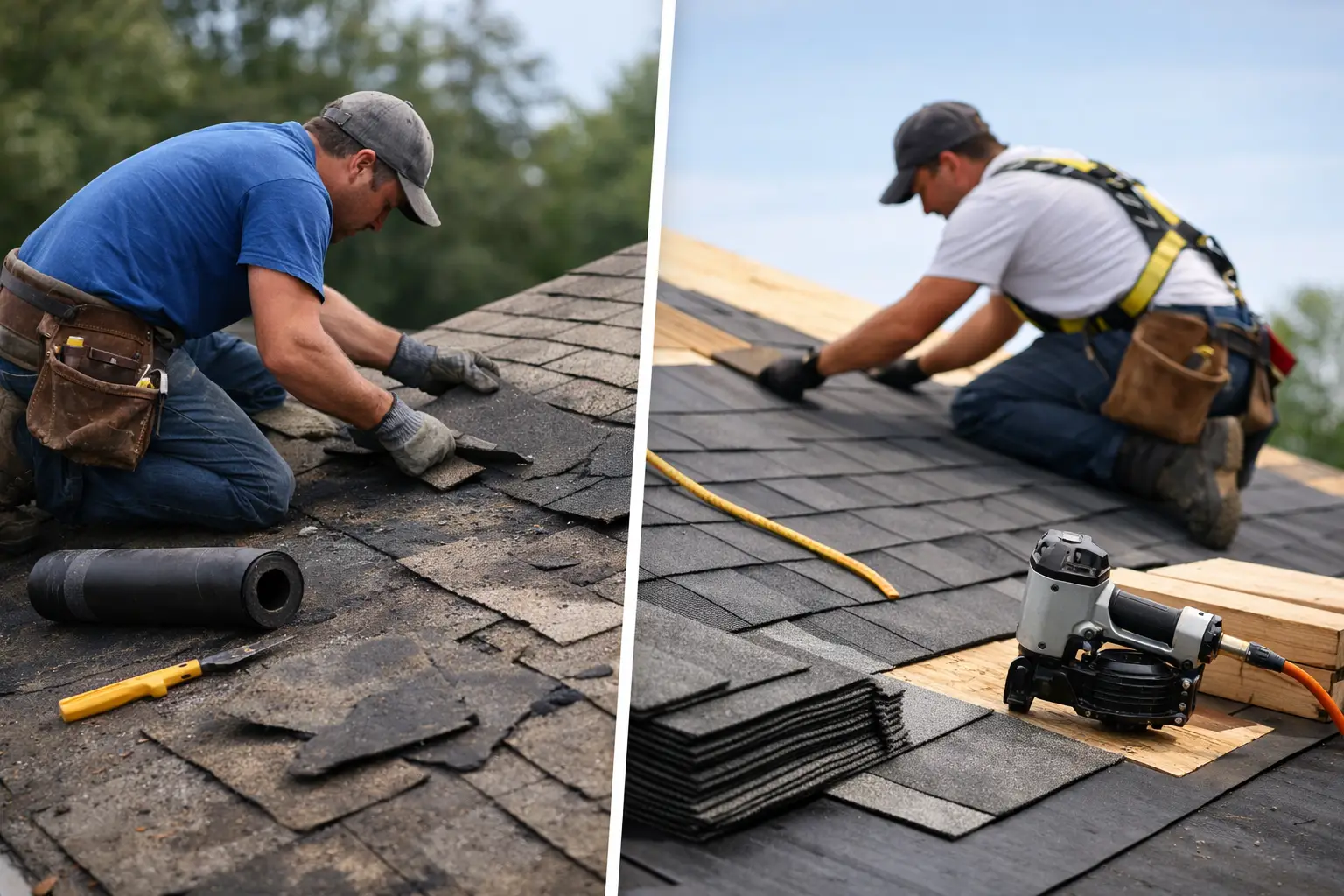
A repair makes sense when the issue is isolated and the rest of the roof is still performing well. That often includes a small section of wind-damaged shingles, localized flashing failure around a chimney or skylight, or a minor leak caused by a specific vulnerable spot. In these cases, a professional repair can restore protection and help you get more years out of the existing roof.
Replacement becomes the better path when damage is widespread, recurring, or tied to age-related wear across the system. If shingles are brittle, granules are washing away, decking is compromised, or leaks are showing up in multiple areas, repairs can start to feel like temporary bandages. You may spend less upfront, but more over time.
This is where many homeowners get stuck. A repair sounds practical, and sometimes it is. But if the roof is already close to the end of its lifespan, that lower initial price can lead to repeated service calls, interior damage, and a larger bill later.
Start with age, then look at condition
Roof age is one of the clearest decision points. Most asphalt shingle roofs last around 20 to 30 years, depending on material quality, attic ventilation, installation standards, and storm exposure. In the Memphis area, heat, humidity, strong wind, and hail can shorten that timeline.
If your roof is less than 10 years old and has a specific problem area, repair is often the first option worth considering. If it is pushing 20 years or more, even a modest leak may be part of a broader pattern of wear. At that stage, replacement often provides better value.
Age alone is not enough, though. A 12-year-old roof with poor installation may be in worse shape than an 18-year-old roof that was installed properly and maintained well. That is why a close inspection matters. A reliable contractor should look at shingle condition, flashing, ventilation, decking, valleys, penetrations, gutters, and signs of moisture intrusion before recommending either option.
Signs a roof repair may be enough
Homeowners are often relieved to hear that not every roofing issue calls for a full replacement. In many cases, a targeted repair is the most responsible recommendation.
A repair may be the right fit if the damage is limited to one section, the roof is still in the earlier or middle part of its life, and the surrounding materials are in good shape. It also helps when the replacement shingles can be integrated without creating performance issues. Cosmetic differences in color are common, especially on older roofs, but that does not always affect function.
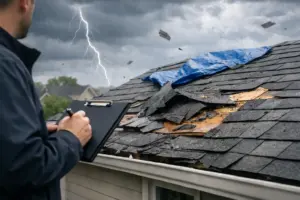
Repairs are also common after isolated storm damage. A few lifted or missing shingles, damaged pipe boots, or flashing issues around roof penetrations can often be addressed without replacing the full roof. The key is making sure the problem truly is isolated.
Signs replacement is the smarter investment
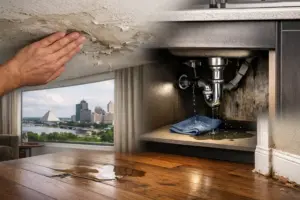
Some roofs tell a different story. If you are seeing repeated leaks, curling or cracked shingles, soft decking, sagging areas, or heavy granule loss, the issue may be system-wide. A roof in that condition can continue to deteriorate even after a repair is made.
Replacement is often the better long-term choice when repair costs start stacking up, or when fixing one section will not address the underlying weaknesses elsewhere. It can also be the right move after significant storm damage, especially if multiple slopes are affected or if repairs would be extensive enough to approach the cost of a new roof.
For homeowners planning to stay in the house, replacement also brings practical benefits beyond stopping leaks. It can improve ventilation, update underlayment and flashing, strengthen weather protection, and improve curb appeal. If you are preparing to sell, a newer roof can also reduce buyer concerns and help support the home’s value.
Cost matters, but so does timing
The most common reason homeowners lean toward repair is simple: it costs less upfront. That is a fair concern. A repair is usually the smaller immediate expense, and if it solves the problem without compromise, that is money well spent.
But cost should be measured over time, not just on the day the estimate is written. If a repair buys you five solid years, it may be an excellent decision. If it buys you six months before the next leak appears, it becomes expensive in a hurry.
Replacement has a higher initial investment, but it can reduce the cycle of recurring repairs, interior damage, and emergency service calls. It may also come with stronger warranty coverage and financing options that make the project more manageable.
That is why honest, itemized pricing matters. Homeowners deserve to understand what is being fixed, what is not being addressed, and how long the recommended solution is expected to last.
Storm damage changes the conversation
In this part of Tennessee and nearby North Mississippi, storm damage is a major factor in roof decisions. Hail impacts, lifted shingles, and wind-driven water can affect more of the roof than is obvious from the driveway. What looks like a small issue can involve hidden damage to underlayment, flashing, or decking.
This is also where insurance may come into play. If storm damage is significant, a replacement may be covered in ways a homeowner did not expect. If damage is minor or limited to one area, repair may be the more appropriate path. Either way, documentation matters. A professional inspection can help identify whether you are dealing with isolated damage, functional damage, or broader storm-related wear.
For many families, the best experience is working with one contractor who can inspect the roof thoroughly, explain the findings clearly, and assist with the insurance process if needed. That reduces confusion and helps keep the project moving.
Roof repair vs replacement for older Memphis homes
Many homes in Memphis, Germantown, Eads, Oakland, Somerville, Atoka, Southaven, and Olive Branch have roofing systems that have faced years of heat, rain, humidity, and storm exposure. On older homes especially, roofing decisions are not just about shingles. Ventilation, flashing details, gutter performance, and attic moisture all affect how well the roof protects the house.
That is one reason a surface-level patch is not always enough. If an older roof has chronic trouble around valleys, chimneys, skylights, or low-slope transitions, replacement may offer a chance to correct the details that have been causing repeat problems. Precision Roofing & Exteriors often helps homeowners sort through that exact choice by starting with a full inspection rather than pushing a one-size-fits-all answer.
What a trustworthy recommendation should sound like
A good contractor should be comfortable recommending repair when repair makes sense. They should also be clear when replacement is the more responsible option. If every issue automatically becomes a full roof sale, or if a contractor downplays obvious signs of aging just to keep the estimate low, that is a red flag either way.
You want a recommendation grounded in evidence: photos, measurements, material condition, and a realistic explanation of remaining roof life. You also want clear communication about warranties, cleanup, scheduling, and what to expect from the process. Roofing decisions are easier when the path forward feels straightforward and well explained.
The goal is not to spend the least or the most. It is to make the right investment for your home at the right time. Sometimes that means a focused repair that restores protection and saves money. Sometimes it means replacing the roof before small issues become expensive interior damage.
If you are weighing roof repair vs replacement, the smartest first step is not choosing a service. It is getting a thorough inspection from a contractor who will tell you the truth about what your roof actually needs. That kind of clarity can save you money, stress, and a lot of second-guessing when the next storm rolls in.