If you have overflowing gutters, muddy foundation beds, or water pooling near your home after a Memphis storm, you are probably not just asking whether you need new gutters. You are asking what seamless gutter installation cost looks like in real numbers, and whether the upgrade is worth it. That is a fair question, especially when gutter pricing can vary more than most homeowners expect.
For most homes, the final price depends on a handful of practical details: the material you choose, the total linear footage, the number of downspouts, the height and layout of the home, and whether the old system needs to be removed first. A simple one-story ranch is usually far less expensive than a two-story home with multiple rooflines, tight access, and drainage issues that need to be corrected during installation.
What affects seamless gutter installation cost?
The biggest driver is material. Aluminum is the most common choice because it gives homeowners a strong balance of durability, appearance, and price. Copper costs more upfront but offers a distinct look and long service life. Steel can be durable as well, though it tends to be heavier and may require more maintenance depending on the finish and local conditions.
Labor matters just as much as material. Seamless gutters are formed on-site to the exact lengths needed for your home, which cuts down on joints and reduces common leak points. That custom fabrication is one reason homeowners choose them, but it also means you are paying for equipment, trained installers, and proper fitting rather than a basic off-the-shelf system.
Home design also changes the math. Long straight runs are simpler and faster to install than homes with multiple corners, roof transitions, dormers, and varying fascia heights. If installers need more time for setup, ladder movement, safety precautions, or detailed pitch adjustments, the estimate will reflect that.
Typical seamless gutter installation cost ranges
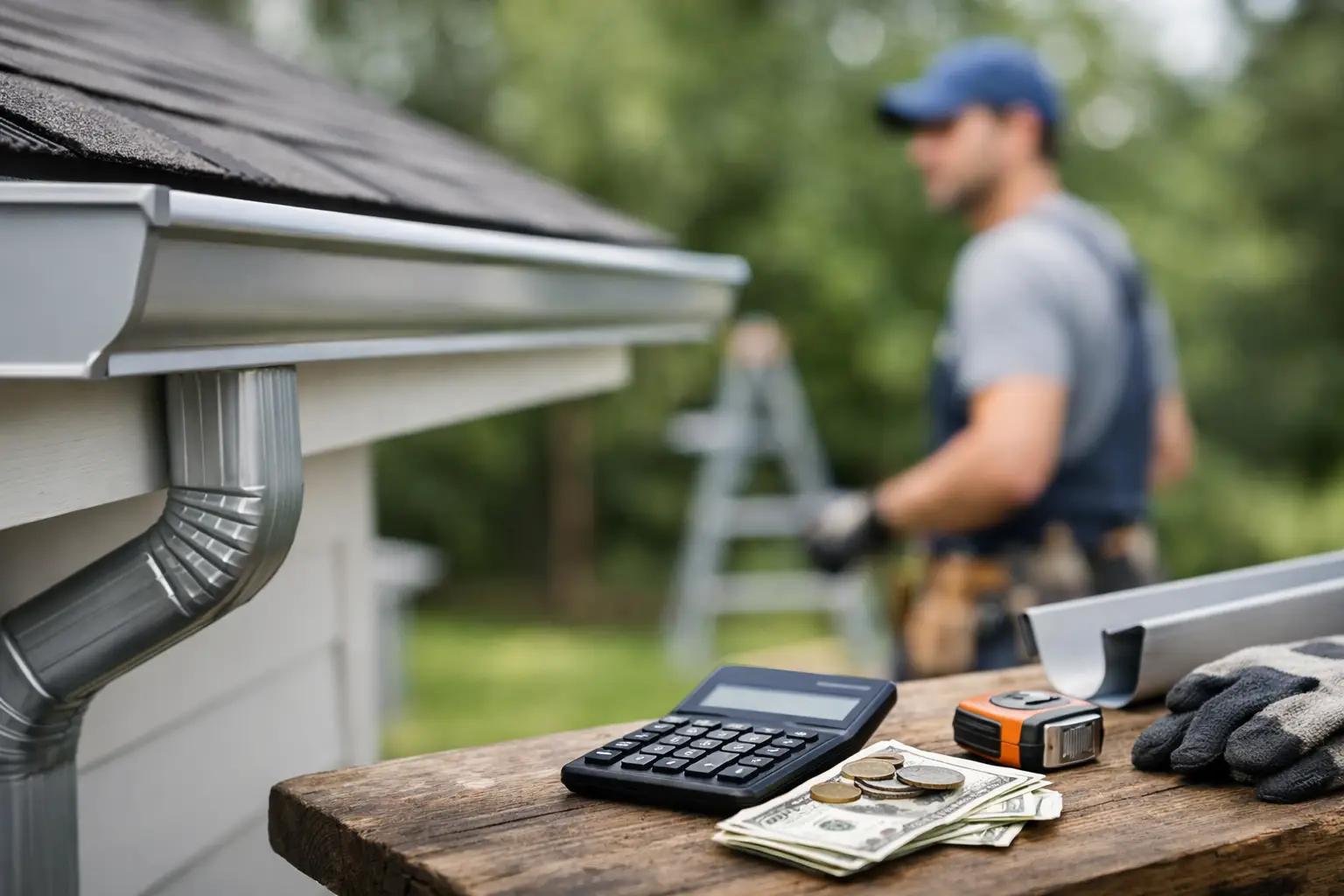
Most homeowners will see seamless gutter installation cost quoted by linear foot, then adjusted for accessories and job complexity. In many cases, aluminum seamless gutters land somewhere around $8 to $15 per linear foot installed. Higher-end materials like copper can run much higher, often reaching $25 to $40 or more per linear foot installed.
For a typical home needing around 150 to 250 linear feet of guttering, that can put an aluminum installation in the rough range of $1,200 to $3,750. Copper systems can move well beyond that. Those are broad ranges, not guaranteed pricing, but they help set expectations before you request an estimate.
Downspouts, splash blocks, gutter guards, oversized gutters, and removal of old gutters can all add to the final number. So can wood repair if the fascia or soffit has been damaged by long-term overflow. Sometimes homeowners think they are budgeting for gutters only, then find out the underlying trim has been taking on water for years.
Why low quotes are not always a bargain
A very cheap quote can look attractive until you compare what is actually included. One contractor may price only the gutter runs, while another includes downspouts, color-matched components, proper fastening, disposal, and cleanup. If one estimate leaves out key parts of the drainage system, it is not really less expensive. It is just incomplete.
There is also a difference between installation that looks fine on day one and installation that performs well through heavy rain. Correct pitch, secure attachment, and proper downspout placement are what keep water moving away from your roofline and foundation. Saving a little upfront can get expensive if the system clogs, pulls loose, or dumps water in the wrong place.
Material choices and how they change cost
Aluminum is the standard choice for good reason. It is lightweight, rust-resistant, available in many colors, and works well for most residential homes. For homeowners who want dependable performance without pushing the budget too far, aluminum is often the practical sweet spot.
Copper is a premium option. It stands out visually, develops a natural patina over time, and can last for decades when installed correctly. It is usually chosen for high-end homes or for homeowners who care deeply about architectural detail. The trade-off is simple: the material and labor cost are both significantly higher.
Galvanized steel sits in the middle for some projects, but it is not always the first recommendation for every home. It can be strong, but it is heavier than aluminum and may require closer attention to maintenance over time. The best fit depends on the home, the climate exposure, and the homeowner’s priorities.
Gutter size matters too
Many homes use 5-inch gutters, but 6-inch systems are common when roofs shed a lot of water or when storm intensity makes extra capacity a smart investment. In the Memphis area, where downpours can be fast and heavy, upsizing can make sense. A larger system typically costs more, but it may do a better job protecting siding, landscaping, and the foundation during peak rainfall.
The cost factors homeowners often miss
Old gutter removal is one of the most common add-ons. If the existing system is damaged, improperly installed, or simply at the end of its life, it has to come off before the new one goes up. Disposal fees and labor can affect the estimate, especially if the old materials are hard to remove safely.
Access is another overlooked factor. A one-story home with open perimeter access is usually straightforward. A two-story home, steep grade, fencing, landscaping obstacles, pool enclosures, or delicate exterior finishes can make the job slower and more technical.
Then there are drainage corrections. New gutters will not solve everything if the downspouts discharge too close to the house or if water is already collecting near the foundation. In some cases, extensions, underground drains, or revised downspout locations are the real key to performance.
Is seamless gutter installation cost worth it?
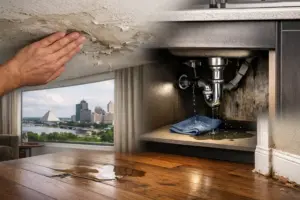
For many homeowners, yes, because gutters are not just a trim detail. They are part of your home’s protection system. When water is not directed away properly, it can stain siding, erode soil, damage fascia boards, saturate flower beds, and contribute to foundation problems over time.
Seamless systems help reduce leaks at joints because there are fewer connection points along each run. That does not make them maintenance-free, but it does reduce one of the most common weak spots found in sectional gutters. For homeowners who want a cleaner look and better long-term performance, that upgrade often justifies the price.
The value becomes even clearer if your current gutters are undersized, pulling away, or constantly overflowing. In that case, you are not comparing new gutters to a perfectly functioning old system. You are comparing a real fix to an ongoing problem.
How to compare estimates with confidence
When reviewing bids, look beyond the bottom-line number. Ask what material is being used, what gauge or thickness is included, how many downspouts are recommended, whether old gutters will be removed, and whether fascia damage is covered if discovered. A clear, itemized estimate is easier to trust because you can see what you are paying for.
You should also ask about workmanship warranties and who is actually performing the installation. Certified, experienced crews tend to install faster and with fewer callbacks. That matters because gutters only work when they are pitched correctly and fastened to sound surfaces.
For homeowners who want the process to feel straightforward, working with a contractor that handles inspection, estimate, installation, and cleanup in one organized flow can make the entire project less stressful. That is often where a professional local company like Precision Roofing & Exteriors stands apart.
When timing affects cost
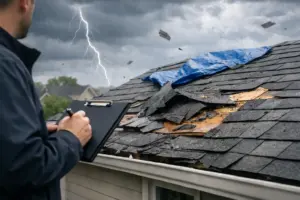
If your gutters failed after a storm, timing may matter almost as much as price. Delaying replacement can lead to water intrusion around soffits, fascia, and landscaping, especially during a wet season. While emergency conditions do not always change the unit cost dramatically, waiting too long can turn a gutter job into a gutter-plus-repair job.
That is why a prompt inspection is useful. It helps you separate what needs immediate attention from what can wait, and it gives you a realistic budget before minor drainage issues become more serious exterior repairs.
A good gutter estimate should leave you feeling informed, not pressured. The right system is the one that fits your home, handles your roof’s runoff, and protects the parts of your property that water tends to punish first. If you are weighing your options, start with a detailed inspection and a written estimate you can actually understand.