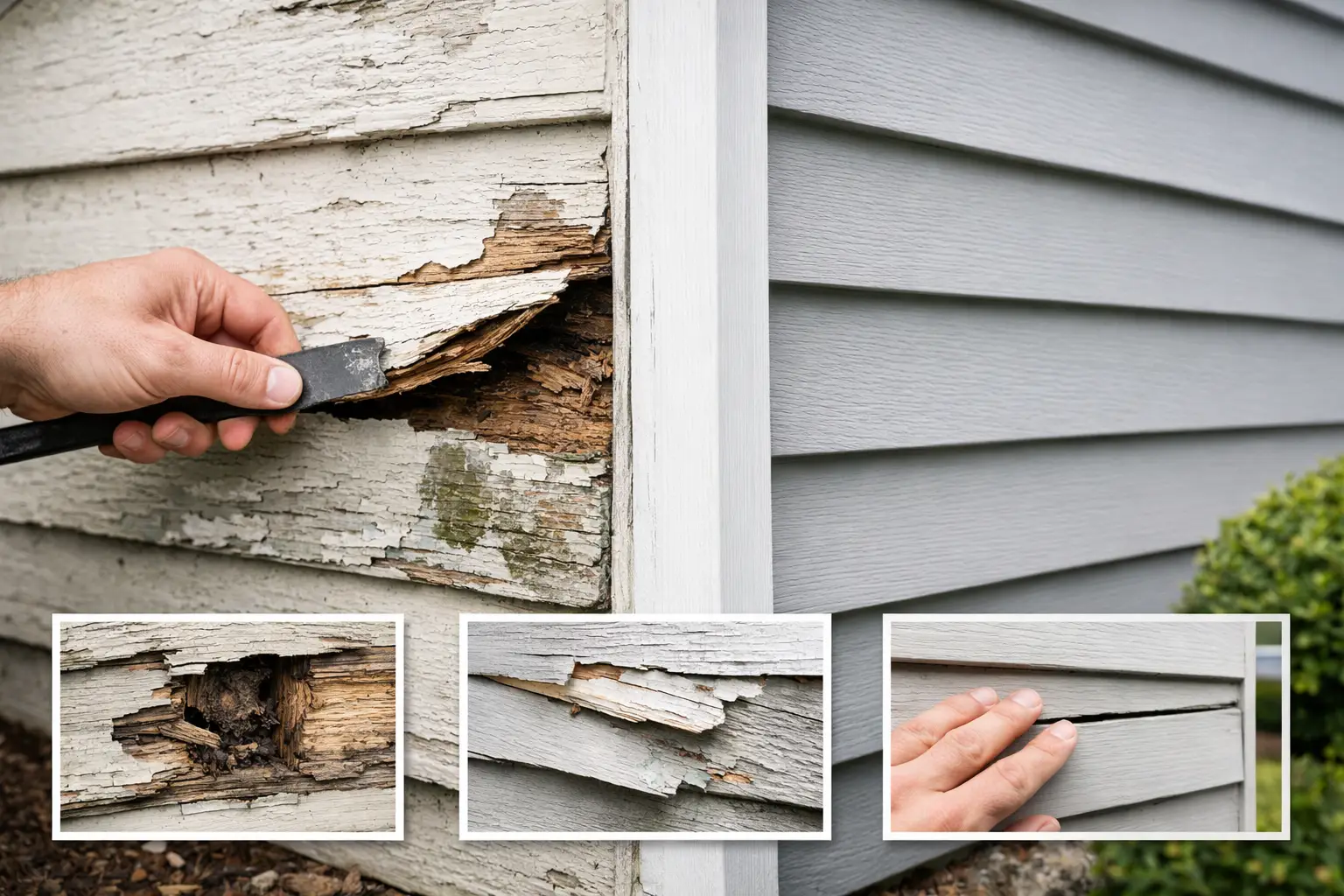
That soft spot near the bottom of an exterior wall is easy to ignore – until a summer storm rolls through and turns a small siding issue into a much bigger repair. For many homeowners, the signs your siding needs replacement show up gradually. A little fading here, a loose panel there, maybe higher energy bills that do not seem connected. Then one day, the pattern becomes hard to miss.
In the Memphis area, siding takes a beating from heat, humidity, wind-driven rain, and seasonal storms. Good siding should do more than make your home look sharp from the street. It should help block moisture, improve energy performance, and protect the structure underneath. When it starts to fail, replacement is sometimes the smarter and more cost-effective move than chasing one repair after another.
Signs your siding needs replacement
Some siding problems are cosmetic. Others are warnings that your home’s protective barrier is no longer doing its job. The key is knowing which issues point to normal aging and which suggest deeper damage.
1. Warping, buckling, or loose panels
Siding should sit flat and secure against your home. If panels are pulling away, rippling, or visibly warped, water may already be getting behind them. Heat can also cause distortion, especially with older or poorly installed materials, but the bigger concern is what is happening underneath.
When siding no longer lies straight, it becomes easier for wind and rain to work their way in. A few isolated loose pieces can sometimes be repaired. Widespread warping across multiple elevations usually means the system is reaching the end of its useful life.
2. Cracks, chips, and recurring storm damage
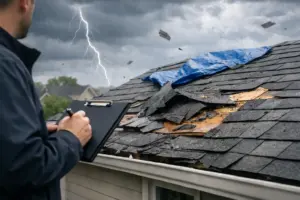
A single crack from impact damage is one thing. Multiple cracks, brittle corners, or sections that keep breaking after every storm are different. Once siding loses flexibility and strength, it becomes more vulnerable to the next round of wind, hail, or flying debris.
This is especially relevant for homeowners dealing with repeated storm exposure. If you find yourself patching the same areas over and over, replacement may offer better long-term protection than another short-term fix.
3. Rot, swelling, or soft spots
If you press on an area and it feels soft, spongy, or swollen, that is a red flag. Wood-based products can absorb moisture and begin to deteriorate from the inside out. Even siding that looks mostly intact from a distance may be hiding rot along lower edges, around windows, or near rooflines.
Moisture damage rarely stays contained. Once water gets behind the siding, it can affect sheathing, framing, insulation, and even interior walls. At that point, replacement is not just about appearance. It is about stopping a larger structural problem.
4. Mold, mildew, or staining that keeps coming back
Not every stain means your siding has failed. Sometimes exterior buildup is just surface-level dirt or algae and can be cleaned. But when mold, mildew, or dark streaking keeps returning in the same places, it may signal trapped moisture.
Pay attention to areas that stay damp, especially around seams, trim, and lower walls. Persistent discoloration can mean your siding is no longer shedding water correctly. If cleaning does not solve it for long, it is worth having the system inspected.
5. Peeling paint or wallpaper inside the home
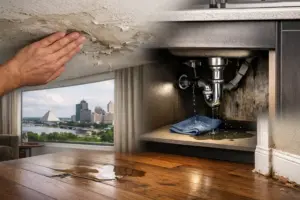
This one surprises a lot of homeowners. The problem may look interior, but the cause can start outside. When siding allows moisture to pass through the wall assembly, that moisture can eventually show up as bubbling paint, peeling wallpaper, or damp drywall indoors.
Of course, indoor humidity issues can create similar symptoms, so it depends on the home. But if interior wall problems line up with exterior siding damage, replacement may be part of the real fix.
6. Rising energy bills without another clear cause
Older or damaged siding can affect how well your home holds conditioned air. Gaps, failed seams, and hidden moisture damage can reduce insulation performance and make your HVAC system work harder.
If your heating and cooling costs have climbed and your windows, attic, and HVAC system check out fine, siding may be part of the reason. New siding, especially when paired with proper house wrap and insulation upgrades, can make a noticeable difference in comfort and efficiency.
7. Fading and color loss across large sections
Fading by itself does not always mean replacement is necessary. Sun exposure naturally wears on exterior materials over time. But when siding looks heavily washed out, uneven, or chalky, it often points to broader aging.
Once the surface protection has broken down, the material underneath may be more vulnerable to cracking and moisture absorption. If your siding looks tired and is also showing other performance issues, replacement is often a better investment than cosmetic touch-ups.
8. Frequent repairs that never seem to end
One of the clearest signs your siding needs replacement is simple math. If you are paying for repeated repairs, repainting, caulking, or section replacements every season, the costs add up fast. More importantly, constant patching does not always address what is happening beneath the surface.
There is a point where repair stops being the economical option. A professional inspection can help you compare the cost of ongoing maintenance against the value of a full replacement with updated materials and warranty coverage.
When repair makes sense and when it does not
Not every damaged home exterior needs a full siding replacement. If the damage is limited to a small area from a known cause, such as a branch strike or isolated wind damage, a targeted repair may be the right move. That is especially true when the rest of the siding is in good condition and the material is still available for a proper match.
Replacement becomes more likely when the damage is widespread, when moisture has gotten behind the panels, or when the siding is older and nearing the end of its service life. Matching older colors and profiles can also be difficult. Even if a repair is technically possible, it may not look right or last very long.
A trustworthy contractor should be willing to tell you which category your home falls into. Sometimes the honest answer is a modest repair. Sometimes it is replacement because that is what best protects the home.
Why siding problems should not wait
Delaying siding replacement can make a manageable project much more expensive. Water intrusion does not stay politely behind one panel. It can spread to sheathing, framing, insulation, and trim. What starts as worn siding can turn into rot repair, mold concerns, or interior wall damage.
There is also the curb appeal factor, which matters more than many homeowners think. Siding covers a huge portion of your home’s visible exterior. When it is damaged, faded, or uneven, the whole property can look older and less cared for. For homeowners planning to sell in the next few years, that can affect buyer confidence from the moment they pull into the driveway.
What to expect from a professional siding inspection
A good inspection should go beyond a quick glance from the yard. Your contractor should look for visible panel damage, but also signs of hidden moisture, failed caulking, soft spots, trim deterioration, and problem areas around windows, doors, and roof intersections.
You should also get clear feedback on whether repair is realistic, what materials are recommended, and how the scope affects cost and timeline. Homeowners in Memphis and surrounding communities often deal with storm-related questions too, so it helps to work with a company that can identify whether damage may support an insurance claim.
At Precision Roofing & Exteriors, that inspection process is designed to be straightforward and low-stress, because homeowners should not have to guess whether their siding is still protecting the home the way it should.
Choosing replacement before damage spreads
Replacing siding is a significant investment, but it is also one of the most visible and practical ways to protect your home. Done right, it strengthens your exterior, improves energy performance, refreshes curb appeal, and reduces the risk of bigger repair bills down the road.
If you have noticed warping, cracking, soft spots, recurring stains, or repairs that never seem to end, trust what your home is telling you. A timely inspection can give you real answers and help you make the next decision with confidence, not guesswork.