A roof in the Memphis area has to handle more than age. It has to stand up to heat, humidity, strong sun, heavy rain, and the kind of storms that can turn a small weakness into a leak overnight. That is why choosing the best roof replacement materials is not just about color or price. It is about how well your next roof protects your home, how long it lasts, and how much stress it saves you over the years.
For most homeowners, there is no single perfect option. The right material depends on your budget, your home’s design, local weather exposure, and how long you plan to stay in the house. A roof that makes sense for a starter home may not be the best fit for a long-term family home or a high-value property where curb appeal matters just as much as durability.
What matters most when comparing the best roof replacement materials
The first question is usually cost, and that makes sense. Roof replacement is a major investment. But price alone can be misleading if one material lasts 15 to 20 years and another lasts 40 or more with fewer repairs.
Homeowners should look at five things together: upfront cost, expected lifespan, storm resistance, energy performance, and maintenance needs. Installation quality matters just as much as the product itself. Even a premium roofing material can underperform if it is not installed to manufacturer specifications and local code.
In a market like Memphis, weather performance deserves extra attention. Wind resistance, impact resistance, and the ability to handle heat cycles can make a real difference in how a roof ages. If your neighborhood sees frequent storm activity or tree debris, that should shape your decision.
1. Asphalt shingles remain the most popular choice
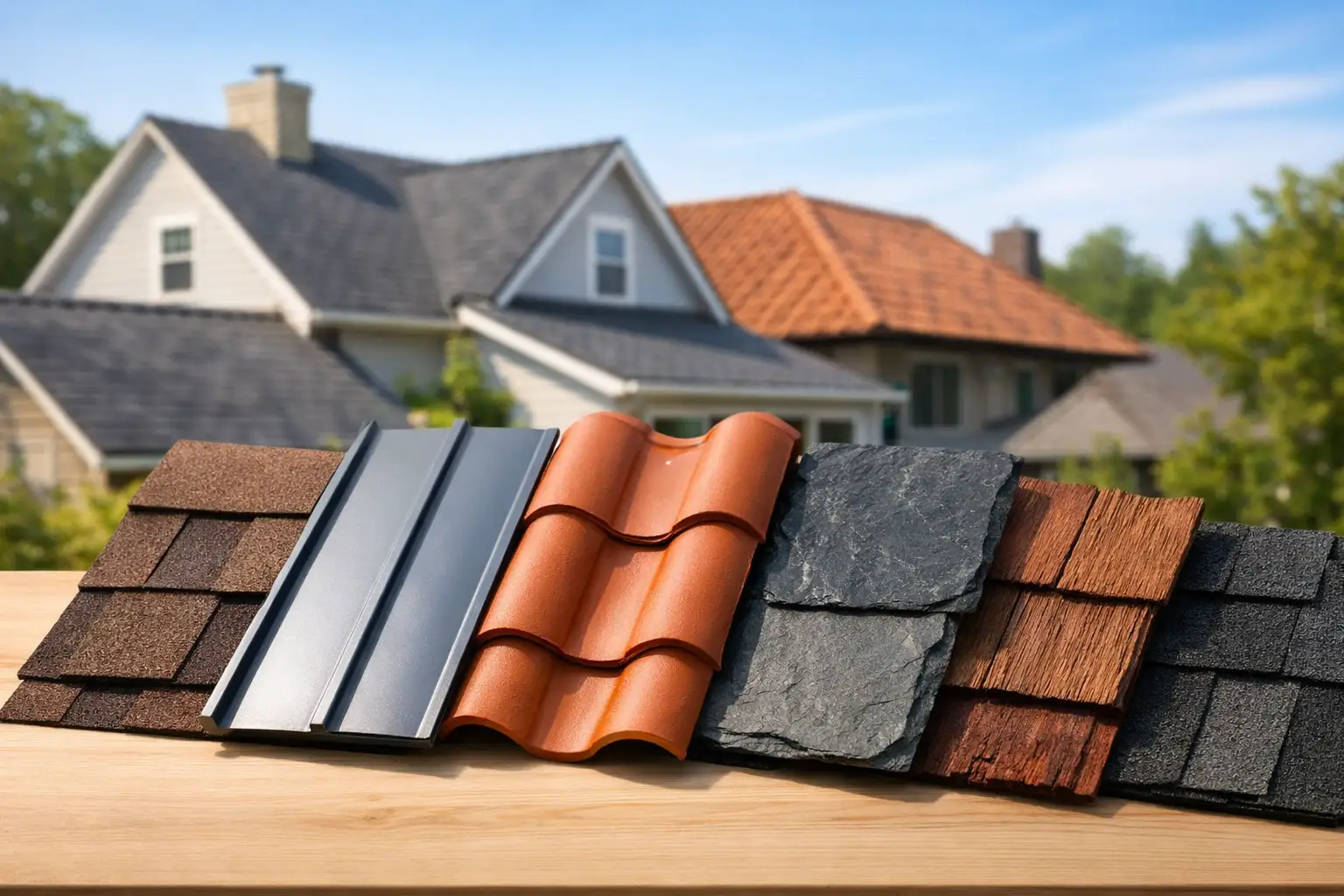
Asphalt shingles are still the most common answer when homeowners ask about the best roof replacement materials, and there is a reason for that. They offer the widest balance of affordability, appearance, and dependable protection.
Architectural asphalt shingles are typically the better option than basic 3-tab shingles. They are thicker, more dimensional in appearance, and usually carry stronger wind ratings and longer warranties. For many homes in Tennessee and North Mississippi, this is the practical sweet spot.
The main advantages are straightforward. Asphalt shingles are cost-effective, available in many colors, and easier to repair than some premium systems. They also work well on a wide range of roof designs. If your priority is strong value without stretching your budget too far, this category often makes the most sense.
The trade-off is lifespan. Even high-quality shingles will not usually match the longevity of metal, slate, or tile. They can also be more vulnerable to severe hail or years of high heat if ventilation is poor.
2. Metal roofing offers long-term durability
Metal roofing has become a stronger contender for homeowners who want a roof built for the long haul. Standing seam metal and exposed-fastener metal systems both have their place, though standing seam is generally the more premium residential option.
Metal performs well in harsh weather and sheds water efficiently. It can also reflect more solar heat than many darker shingle roofs, which may help with energy performance during hot Memphis summers. For homeowners planning to stay put for decades, metal can make financial sense because of its service life.
It is not the cheapest option upfront, and that is often the biggest hurdle. Metal can also be noisier during heavy rain if the roof assembly is not designed correctly, though proper underlayment and attic insulation reduce that concern significantly. Style matters too. Some homes look excellent with metal, while others fit more naturally with shingles.
3. Synthetic roofing gives a premium look with less weight
Synthetic roofing products are designed to mimic high-end materials like slate or cedar shake without all the structural demands and maintenance. This category has grown because many homeowners want a more upscale appearance but do not want the weight, fragility, or high cost of natural products.
A well-made synthetic roof can offer impressive durability and visual appeal. Some products also have strong impact ratings, which is helpful in storm-prone areas. For a homeowner who wants a distinctive look and a modern performance profile, synthetic materials are worth serious consideration.
The caution here is product quality. Synthetic roofing is not one single material with one standard level of performance. Some brands are excellent, and some are less proven over the very long term. That makes manufacturer reputation and installer experience especially important.
4. Cedar shake has character, but it needs commitment
Cedar shake roofing has a warmth and texture that is hard to match. On the right home, it creates a classic, high-end appearance that many homeowners love.
But cedar is not usually the first recommendation for humid Southern climates unless the homeowner is prepared for the maintenance that comes with it. Wood roofing can be vulnerable to moisture issues, algae, and weathering if it is not properly maintained. Fire ratings and local code requirements may also affect whether it is a practical choice.
For homeowners focused on natural beauty and architectural character, cedar may still be appealing. Just go into the decision with clear expectations. It is less about low-maintenance protection and more about appearance, upkeep, and specialty craftsmanship.
5. Slate is beautiful and extremely long-lasting
Natural slate is one of the most durable roofing materials available. It can last for generations and gives a home a distinctive, upscale appearance that is difficult to replicate exactly.
From a performance standpoint, slate is impressive. From a budget and structural standpoint, it is not for everyone. Slate is heavy, expensive, and requires specialized installation. Not every home is framed to support it without reinforcement, and not every contractor is equipped to install it correctly.
For most Memphis-area homeowners, slate is a niche option rather than the default answer. Still, if your home’s architecture supports it and you want a truly premium roof with exceptional longevity, it belongs in the conversation.
6. Clay and concrete tile are durable but selective
Tile roofing is more common in some regions than others, but it can still be a strong option in certain cases. Clay and concrete tiles are durable, visually distinctive, and known for long life.
They handle weather well, but like slate, they are heavy and may require structural review. They also tend to fit certain architectural styles better than others. A Mediterranean or Spanish-inspired home may suit tile beautifully. A traditional suburban roofline in the Memphis area may not.
Tile also comes with a higher upfront cost and more specialized repair considerations. If one tile cracks, the issue may be isolated, but matching and replacing pieces can take more care than a standard shingle repair.
7. Designer shingles bridge the gap
Designer asphalt shingles deserve their own category because they sit between standard shingles and premium specialty materials. These products are made to create a more refined look, often imitating slate or shake while keeping the easier installation and lower weight of asphalt.
For many homeowners, this is one of the smartest middle-ground choices among the best roof replacement materials. You get stronger curb appeal and often upgraded performance, without moving all the way into the price range of natural slate, tile, or metal.
The key is making sure the added cost brings real value for your home. If resale, neighborhood appearance, and architectural detail matter, designer shingles can be a smart upgrade. If your priority is strictly lowest price, standard architectural shingles may still be the better fit.
How to choose the best roof replacement materials for your home
Start with your real priorities, not just the product brochure. If you need dependable protection at a manageable cost, architectural shingles are often the strongest answer. If you want longevity and weather resilience over the long term, metal may be worth the higher initial investment.
If curb appeal is a major goal, designer shingles or synthetic roofing may give you the look you want without the structural demands of slate or tile. If your home has a unique architectural style, premium materials may make more sense than they would on a simpler roofline.
This is also where a detailed inspection matters. The pitch of your roof, attic ventilation, decking condition, flashing details, and storm history all affect which system will perform best. Homeowners often focus on the visible surface, but the full roofing system is what determines whether your replacement feels solid and worry-free five years from now.
A good contractor should walk you through the trade-offs clearly. That means honest pricing, manufacturer-backed options, code-compliant recommendations, and no pressure to buy more roof than you need. At Precision Roofing & Exteriors, that kind of guidance is part of helping neighbors make confident decisions instead of rushed ones.
The best roof is the one that fits your home, your budget, and the weather it has to face every season. If you are weighing options, take the time to compare materials with the same care you would give any major home investment. A roof replacement should not leave you guessing. It should leave you feeling protected every time the forecast turns rough.