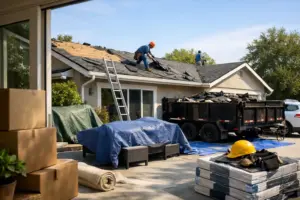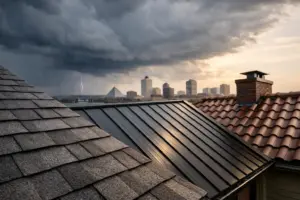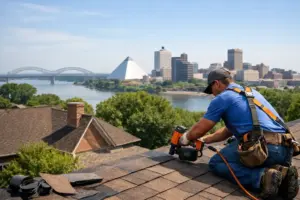
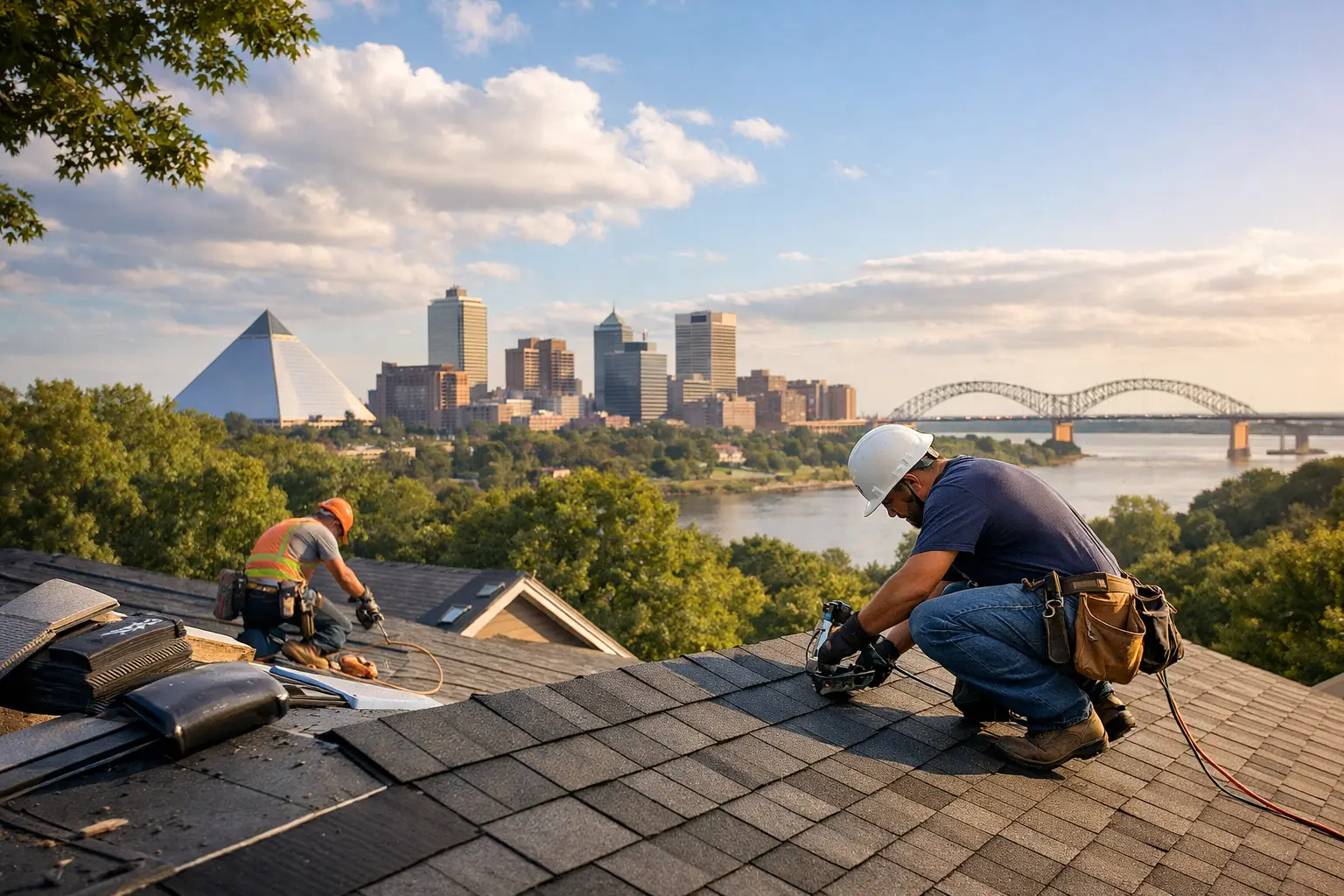
A roof replacement rarely arrives at a convenient moment. Maybe a recent Memphis storm left shingles scattered across the yard, or maybe your roof is simply reaching the end of its service life. While homeowners often ask about the best time of the year to install a roof, the right answer depends on weather, material requirements, contractor availability, and most of all, the current condition of your home.
For many homes in the Memphis area, fall offers an excellent balance of workable temperatures and predictable installation conditions. But waiting for the calendar is not always the safest or most cost-effective choice. A roof that is leaking, missing shingles, or showing storm damage needs professional attention now, regardless of the season.
Why Roof Installation Timing Matters
Roofing materials and installation methods are designed to perform in a range of conditions, but extreme heat, cold, rain, and high winds can affect the workday. Asphalt shingles, the most common residential roofing material in our area, have seal strips that bond best when temperatures are warm enough and sunlight can activate the adhesive. In colder weather, a qualified crew may use additional fastening and sealing practices to make sure the system is secure.
Weather also affects the installation process itself. Roof decking must be dry before underlayment and shingles are installed. A reputable contractor watches forecasts closely, protects exposed areas during the project, and reschedules when conditions could compromise quality or safety.
Scheduling is the other part of the equation. The most comfortable roofing months are often the busiest, which can mean longer lead times. Planning ahead gives you more flexibility with material selection, financing, and scheduling. Still, a well-organized local contractor can complete quality roof work throughout much of the year when conditions allow.
Best Time of the Year to Install a Roof: Season by Season
Spring: A Smart Time to Inspect and Plan
Spring brings mild stretches of weather and gives homeowners a clear look at what winter winds and early storms may have done to the roof. It is a strong season for inspections, repairs, and planned replacements, especially before the intensity of Memphis summer storms arrives.
The trade-off is rain. Spring weather can change quickly, and repeated showers may extend a project schedule. That does not mean roofing cannot be completed in spring. It means the installation team needs a realistic plan, careful weather monitoring, and clear communication about any necessary adjustments.
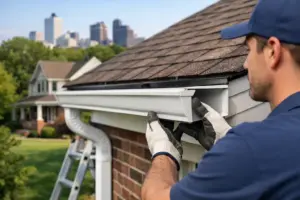
Spring is also a good time to address gutters, siding, skylights, or ventilation concerns alongside a roof replacement. Coordinating exterior work can help protect the entire building envelope and avoid the hassle of managing several contractors later.
Summer: Fast Scheduling Matters More Than Heat
Summer is a productive roofing season in Memphis, but the heat is real. High temperatures can make shingles more flexible and help their seal strips activate. Long daylight hours also give experienced crews more time to complete work efficiently.
The challenge is protecting the crew, the materials, and your property during extreme heat or afternoon thunderstorms. Professional roofers plan physical work carefully, watch for severe weather, and avoid shortcuts simply to finish before a storm. Homeowners should also expect some normal construction noise early in the day, when crews may begin work before the hottest afternoon hours.
If your roof is already vulnerable, summer is not a season to wait through. Heavy rain, wind, and hail can turn a small issue into damaged decking, stained ceilings, mold concerns, or an insurance claim. A prompt inspection after a storm helps establish what happened and what should be repaired.
Fall: Often the Best Window for Planned Replacement
For a non-emergency project, fall is often considered the best time of the year to install a roof in Memphis. Temperatures are generally more comfortable for crews and materials, humidity may be lower than peak summer, and homeowners can prepare their homes before winter weather arrives.
Fall installations also give new shingles time to seal under favorable conditions. A replacement completed before colder weather can reduce the risk that a worn roof will face winter rain, wind, and temperature swings without adequate protection.
The downside is demand. Many homeowners recognize fall as a favorable time to replace a roof, so schedules can fill quickly. If you are hoping for a fall project, arrange an inspection and estimate well before the season. Early planning gives you time to compare options, review warranty coverage, and select a roofing system that fits your home and budget.
Winter: Possible, but More Dependent on Conditions
A winter roof replacement is possible in the Memphis area during dry, workable weather. The region does not experience months of constant deep freeze, and skilled crews can complete installations when manufacturer requirements and jobsite conditions are met.
Cold weather does require more care. Shingles can become less flexible, adhesive strips may take longer to seal, and icy or wet surfaces create safety concerns. A contractor may need to wait for a warmer, dry day or use manufacturer-approved techniques for the materials being installed.
Winter can be a practical choice for homeowners who want more scheduling flexibility or need to act after storm damage. The key is not choosing a date based on a discount or a gap in the schedule alone. Choose a contractor willing to protect quality, even if that means adjusting the work around the forecast.
Your Roof Condition Sets the Real Deadline
Seasonal timing matters, but it should never override an active roofing problem. A roof with a persistent leak, lifted shingles, exposed underlayment, soft spots, or visible storm damage should be inspected promptly. Delaying repairs to wait for fall can allow water to move beneath the roofing system and damage insulation, framing, ceilings, and personal belongings.
After a major wind or hail event, take a look from the ground for missing shingles, bent flashing, granules in gutters, or debris around the home. Do not climb onto the roof yourself. Damage is not always visible from the yard, and walking on a compromised roof can be dangerous or cause additional harm.
An inspection gives you facts instead of guesses. Sometimes the right answer is a targeted repair that buys your roof more time. Other times, widespread wear or storm damage makes replacement the more dependable long-term investment. If insurance may be involved, detailed documentation and clear estimates can make the process easier to understand.
How to Choose the Right Installation Window
Start with an honest assessment of the roof, not a preferred season. If there is active water intrusion or storm damage, request an inspection as soon as possible. Emergency protection and repairs can prevent further damage while you decide on a permanent solution.
For a roof that is aging but not failing, schedule an inspection several months before you hope to begin work. Ask how the contractor handles rain delays, protects landscaping and exterior surfaces, manages cleanup, and confirms that decking is sound before new materials go on. Those details matter as much as the month on the calendar.
Also consider your household schedule. A roof replacement is temporary but active work, and planning around travel, school breaks, pets, or a major event can make the experience less disruptive. A clear project timeline, itemized estimate, and written workmanship warranty help you move forward with confidence.
The best roofing decision is the one that protects your home before minor wear becomes costly damage. Whether your project fits best in fall or needs attention after the next storm, Precision Roofing & Exteriors can help you understand your roof’s condition and plan the next step with confidence.