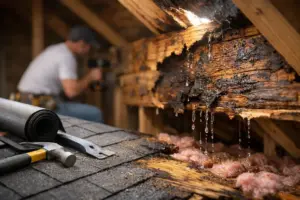
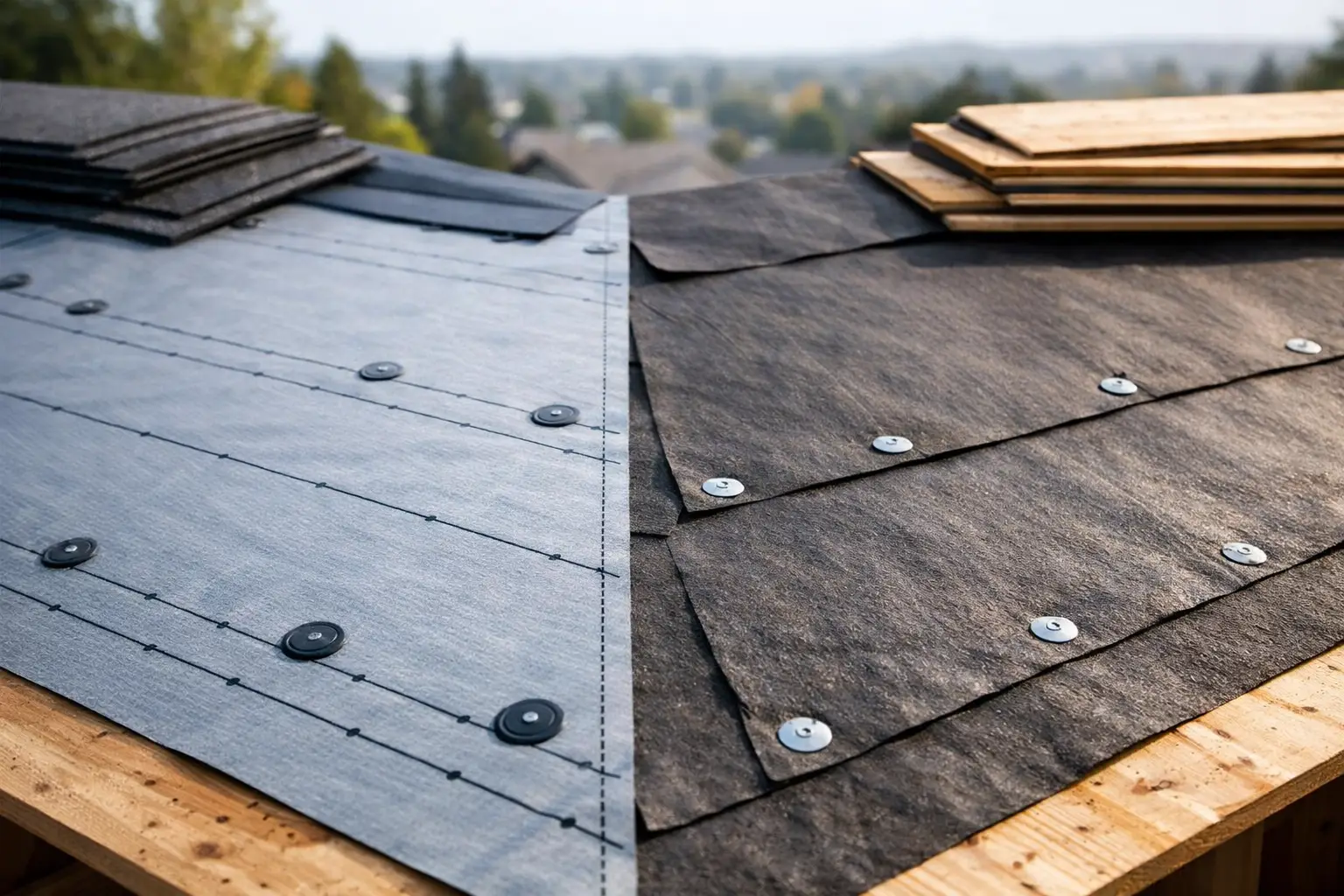
A roof leak does not always begin with missing shingles. In many cases, the problem starts underneath them, where the underlayment should be providing a second layer of protection. When comparing synthetic roof underlayment vs paper, homeowners need more than a simple price comparison. The right material can affect how well a roof handles wind-driven rain, heat, installation delays, and the everyday moisture challenges common in the Memphis area.
Roof underlayment sits between the roof deck and the shingles, metal panels, or other final roofing material. It is not meant to replace the outer roof covering, but it plays a vital supporting role when water gets past the primary layer. For most modern roof replacements, synthetic underlayment offers meaningful advantages. Still, traditional felt paper has a place in certain projects and budgets.
What Roof Underlayment Actually Does
Underlayment provides a protective barrier over the roof decking before the final roofing material is installed. It helps keep water away from the wood deck, reduces the chance of moisture-related damage, and gives the roofing system an added layer of defense during severe weather.
It also protects the deck while a roof is being installed. That matters when unpredictable afternoon storms move through the Memphis area or when a project cannot be completed in one day. A quality underlayment gives your home more protection during that vulnerable window.
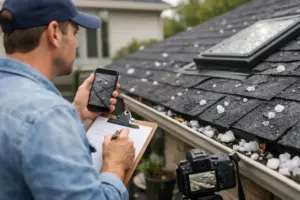
The best choice depends on the roof’s slope, ventilation, shingle system, local building requirements, exposure to trees or wind, and the condition of the existing deck. A professional roofing inspection should look at the whole system, not just the shingles homeowners can see from the ground.
Synthetic Roof Underlayment vs Paper: The Main Differences
Traditional underlayment, often called felt paper or tar paper, is typically made with a fiberglass or organic base saturated with asphalt. It has been used in residential roofing for generations and remains familiar to many homeowners and contractors.
Synthetic underlayment is generally made from engineered polypropylene or polyethylene materials. It is lighter, stronger, and more resistant to tearing than standard felt. While products vary by manufacturer, quality synthetic underlayments are designed to handle more foot traffic, resist moisture absorption, and remain stable during installation.
The practical difference is simple: paper felt can do its job when installed correctly and covered promptly, but synthetic materials usually provide a wider margin of protection. That margin can be valuable on a large roof, a steep roof, or a project scheduled during stormy weather.
Moisture Resistance
Synthetic underlayment does not absorb water the way felt paper can. When paper underlayment gets wet, it may wrinkle, buckle, or become less stable. If shingles are installed over wrinkled felt, those irregularities can sometimes telegraph through the finished roof or affect the installation quality.
Synthetic products typically lie flatter after exposure to rain and dry more quickly. This does not mean they make a roof waterproof on their own. Flashing, shingle installation, ventilation, and proper sealing all still matter. But a water-resistant synthetic layer offers stronger backup protection when wind-driven rain tests the system.
Strength and Tear Resistance
Roofing crews walk across underlayment throughout a replacement. They carry bundles, install flashing, and work around valleys, vents, skylights, and chimneys. Paper felt can tear more easily, especially if it is wet or installed on a complicated roof.
Synthetic underlayment is usually much stronger and more resistant to tearing. That helps crews maintain clean coverage across the deck and can reduce the need for patching damaged sections during installation. For homeowners, it is one more way a well-built roof system supports long-term performance.
Weight and Installation Quality
A roll of synthetic underlayment covers more square footage while weighing less than comparable felt products. That makes it easier for professional crews to handle and can help speed up installation without sacrificing care.
The material’s lighter weight is not just a convenience. Easier handling can be especially helpful on steep roofs and larger homes, where safe, precise installation matters. Experienced, manufacturer-certified installers still make the difference, but quality materials help them do their best work.
Exposure Time
No underlayment should be treated as a finished roof. Still, synthetic materials generally tolerate exposure to the elements longer than felt paper. Depending on the product, synthetic underlayment may be rated for weeks or even months of UV exposure, while traditional felt is more vulnerable to sun, moisture, and physical damage.
That added exposure rating can be helpful if weather delays part of a project. It should never be an excuse to leave a roof unfinished, but it provides useful protection when scheduling changes unexpectedly.
Is Paper Underlayment Ever the Better Choice?
Paper felt is not automatically a poor choice. It can be appropriate for straightforward projects where the roofing system will be installed quickly, the deck is in good condition, and the homeowner is working within a tighter budget. It also remains an accepted option under many roofing systems when it meets local code and manufacturer requirements.
The trade-off is durability during installation and exposure. On a small, simple roof completed in stable weather, the price difference may make felt appealing. On a larger roof, a steep roof, or a home with complex valleys and penetrations, the savings can be less compelling when compared with the additional strength and moisture resistance synthetic materials provide.
Homeowners should also be cautious about treating underlayment as an isolated upgrade. A premium underlayment cannot correct poor flashing, inadequate attic ventilation, damaged decking, or incorrect shingle installation. Roofing materials work as a system, and each layer needs to be installed with care.
What Works Best for Memphis-Area Homes?
Memphis homeowners deal with high humidity, heavy rain, summer heat, strong thunderstorms, and occasional wind events that can push water where it does not normally go. Those conditions make a dependable secondary moisture barrier especially valuable.
For many asphalt shingle replacements in Memphis, Germantown, Eads, Oakland, Somerville, Atoka, Southaven, and Olive Branch, synthetic underlayment is the practical choice. It offers better resistance to moisture and jobsite wear without adding significant weight to the roof structure. It also supports a more resilient installation when weather conditions are less than perfect.
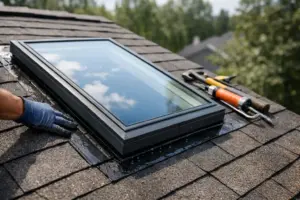
Certain roof areas may need even more specialized protection. Valleys, eaves, areas around chimneys, skylights, and low-slope transitions often benefit from self-adhering ice and water barrier products. Despite the name, these membranes are useful beyond cold climates because they help seal vulnerable areas against wind-driven rain.
A trusted contractor should explain where standard synthetic underlayment is appropriate and where a self-adhering membrane is worth adding. The recommendation should be based on your roof’s design and risk points, not a one-size-fits-all package.
Cost: Look Beyond the Material Line Item
Synthetic underlayment typically costs more than standard felt paper, but the difference is often modest compared with the total cost of a full roof replacement. Labor, shingles, flashing, decking repairs, ventilation, disposal, and warranty coverage all contribute to the final investment.
That is why an itemized estimate matters. It lets homeowners see what material is being used and why. If one proposal is lower than another, ask whether the difference includes underlayment type, flashing replacement, ventilation improvements, or workmanship warranty coverage. A lower price is only a better value when the scope of work truly protects the home.
At Precision Roofing & Exteriors, the goal is to make those decisions clear before work begins. Homeowners deserve straightforward recommendations, clean installation practices, and a roofing system built for the conditions their home actually faces.
Questions to Ask Before Choosing Underlayment
Before approving a roof replacement, ask what underlayment is included, whether it meets the shingle manufacturer’s requirements, and how long it can remain exposed if weather causes a delay. Ask where ice and water barrier will be installed, whether damaged decking will be replaced if found, and how the crew will protect landscaping and clean up after the job.
These questions help move the conversation beyond brand names and toward the quality of the complete installation. A contractor who can explain the details clearly is more likely to have a disciplined process behind the estimate.
Your roof’s underlayment may stay out of sight for decades, but it should never be an afterthought. Choose the material and installation plan that give your home the right level of protection before the next hard rain has a chance to test it.