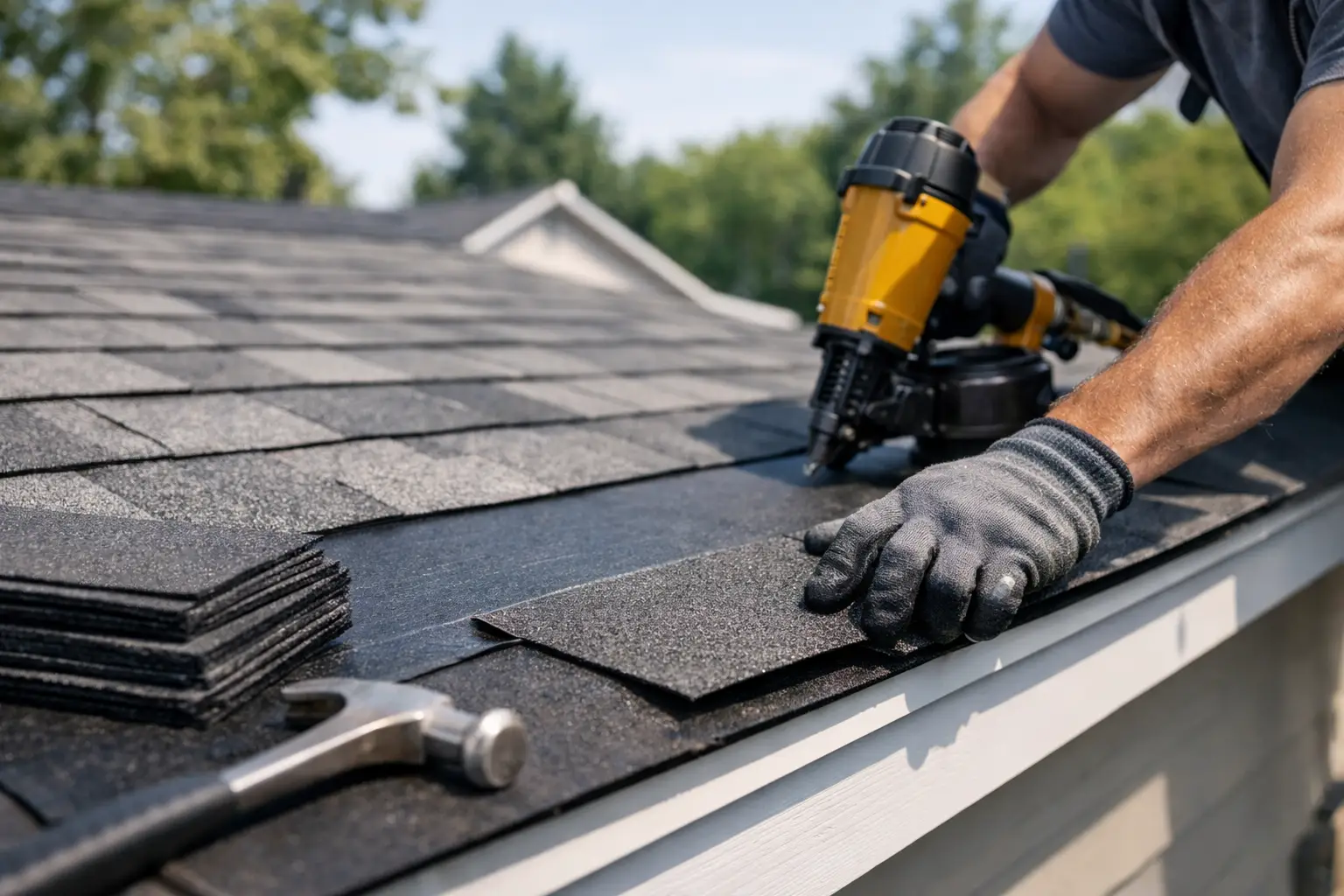
A roof can look perfectly finished from the street and still have a weak point at its edges. The first row of shingles has to resist wind uplift, shed water properly, and give every shingle above it a secure foundation. So, what are starter shingles? They are purpose-made roofing strips installed along the eaves and usually the rake edges before the field shingles go on.
For Memphis-area homeowners, this detail matters. Strong thunderstorms, straight-line winds, heavy rain, and summer heat put steady pressure on a roofing system. Starter shingles may be largely hidden once the job is complete, but they play a major role in keeping the visible shingles where they belong.
What Are Starter Shingles Made to Do?
Starter shingles form the base layer at the perimeter of an asphalt shingle roof. They are installed before the first full course of shingles, typically along the lower roof edge above the drip edge. On many roofs, they are also installed along the sloped side edges, called rakes.
Unlike standard field shingles, starter shingles do not have exposed tabs, cutouts, or a decorative pattern. Their job is structural rather than cosmetic. A factory-made starter strip includes a sealing adhesive placed near the roof edge. When the first course of shingles is installed over it, that adhesive helps bond the shingles down and reduces the chance that wind can get underneath them.
A properly installed starter course helps with three connected responsibilities: resisting wind, directing water toward the gutter system, and preventing the joints between the first shingles from lining up with the roof edge. Those details work together to protect a part of the roof that sees more wind pressure and water runoff than most homeowners realize.
Why Roof Edges Need Extra Protection
Wind does not pull evenly across a roof. It creates stronger uplift forces at corners, eaves, and rake edges. If wind gets below the first course of shingles, it can lift the edge, break the adhesive seal, and begin a chain reaction that affects nearby shingles.
Starter shingles help close off that entry point. Their adhesive strip is positioned to seal the first row of field shingles, providing a more secure bond than field shingles alone can offer. This is especially valuable in storm-prone areas, where a roof may face sudden gusts long before it reaches the end of its expected service life.
Water management is just as important. At the eave, the roof needs to send rainwater into the gutter instead of allowing it to run behind the gutter, reach the roof deck, or soak the fascia. Starter shingles work with drip edge flashing and the first course of shingles to create a controlled path for runoff. No single component does the whole job. A durable roof edge depends on those layers being installed in the right order.
Starter Shingles vs. Regular Shingles
A common question is whether roofers can simply cut standard three-tab shingles to create starter pieces. That method was used often in the past, and in some situations a manufacturer may allow a compatible alternative. However, it is not always the best choice for a new roof.
Factory-made starter shingles are designed for the purpose. They provide consistent sizing, pre-positioned adhesive, and installation instructions that match the manufacturer’s roofing system. They also eliminate exposed joints or tab cutouts that could create vulnerable spots at the roof edge.
Using field shingles as a substitute can save a small amount in material cost, but the trade-off may be less reliable adhesion, more labor, and potential complications with manufacturer warranty requirements. The right approach depends on the shingle product, roof design, local code requirements, and the manufacturer’s installation specifications. A professional estimate should clearly identify the starter material being used rather than treating it as an invisible detail.
Where Starter Shingles Go on a Roof
Starter strips are most commonly installed at the eaves, which are the lower horizontal edges of the roof. This is where water exits the roof and where wind can gain access beneath the first shingle course.
They may also be installed at rake edges, the angled sides that run from the eave toward the ridge. Rake installation is particularly helpful for wind resistance because these edges are exposed to uplift. The exact placement and overlap depend on the shingle system and roof layout.
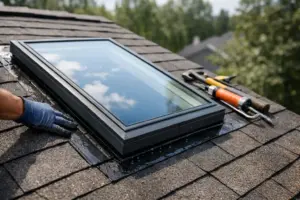
On a complete roof replacement, the sequence generally begins with deck preparation and any necessary repairs. The crew then installs underlayment, drip edge in the appropriate locations, and starter shingles before laying the field shingles. Flashing around chimneys, walls, skylights, and valleys is handled as part of the broader water-management system. Good roofing is not a stack of unrelated products. It is a coordinated assembly designed to keep wind and water outside the home.
What Proper Starter Shingle Installation Looks Like
The details vary by manufacturer, but quality installation follows a disciplined process. The roof deck must be clean, dry, and structurally sound so the material can lie flat. Starter strips need correct overhang at the eave to direct runoff into the gutter without extending so far that they become vulnerable to wind.
Nails must be placed according to the product instructions. Nails driven too high may fail to secure the intended layers. Nails driven too low can become exposed or interfere with the seal. The adhesive strip must face and align with the first field shingle course as specified, not be turned the wrong direction or covered in a way that prevents bonding.
At rake edges, a contractor also has to coordinate starter strips with the edge metal and shingle overhang. This is one reason roofing workmanship matters as much as the shingle brand. Premium materials cannot perform as intended if the edge details are rushed.
Can Missing Starter Shingles Cause Roof Problems?
Yes. A roof without starter shingles, or one with improperly installed starter material, can be more susceptible to wind damage and edge leaks. The effects may not appear immediately. The roof may look acceptable until a high-wind event lifts the first row of shingles or repeated rain finds a pathway behind the gutter.
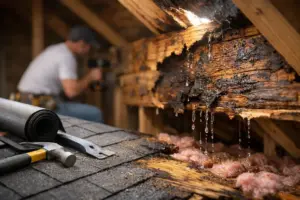
Warning signs can include loose or missing shingles along the roof perimeter, shingles that lift easily at the edge, exposed nail heads, water stains near exterior walls, or fascia boards showing rot or peeling paint. These symptoms do not automatically mean the starter course is the only problem. Damaged drip edge, worn sealant, failing gutters, poor attic ventilation, and aging shingles can produce similar concerns.
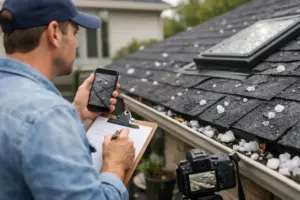
That is why an inspection should look beyond the missing shingle you can see from the yard. A careful contractor evaluates the roof edge, underlayment, flashing, deck condition, and drainage so the recommended repair addresses the actual cause.
Are Starter Shingles Required for Every New Roof?
Most modern asphalt shingle systems call for starter material, and many manufacturers require it to meet their published installation standards and qualify for certain warranty coverage. Local building requirements may also affect roof-edge installation, including the use and placement of drip edge.
The practical answer is that starter shingles should be expected on a professional asphalt shingle installation. If a proposal does not mention them, ask what material will be used at the eaves and rakes, how it will seal the first course, and whether the installation follows the selected manufacturer’s specifications.
Homeowners should also be cautious about comparing roofing bids only by the final price. A lower estimate may leave out components such as starter shingles, synthetic underlayment, flashing replacement, ventilation improvements, or cleanup and disposal. An itemized scope makes it easier to compare workmanship standards and avoid surprises once the project is underway.
A Small Detail That Protects a Major Investment
Starter shingles are not the part of a new roof that gets compliments from neighbors. They are not visible after installation, and they do not change the color or style of the home. But they help protect the roof’s most exposed edges, support wind resistance, and keep water moving where it should.
If you are planning a roof replacement or have noticed storm damage near your roofline, ask for an inspection that includes the edge details, not just the shingles in the middle of the roof. Precision Roofing & Exteriors helps homeowners understand what their roof needs, what can be repaired, and what should be replaced so the finished system is built for dependable protection.