A Memphis attic can hold punishing heat long after the afternoon sun has moved on. That heat can make upstairs rooms harder to cool, put added strain on HVAC equipment, and leave homeowners wondering whether attic depot solar fans are the answer. They can be helpful in the right home, but a solar fan should support a sound ventilation system, not cover up a roofing, insulation, or air-sealing problem.
For homeowners planning a roof replacement, dealing with a hot second floor, or simply looking for practical energy improvements, the first step is understanding what a solar attic fan can and cannot do.
What Attic Depot Solar Fans Are Designed to Do
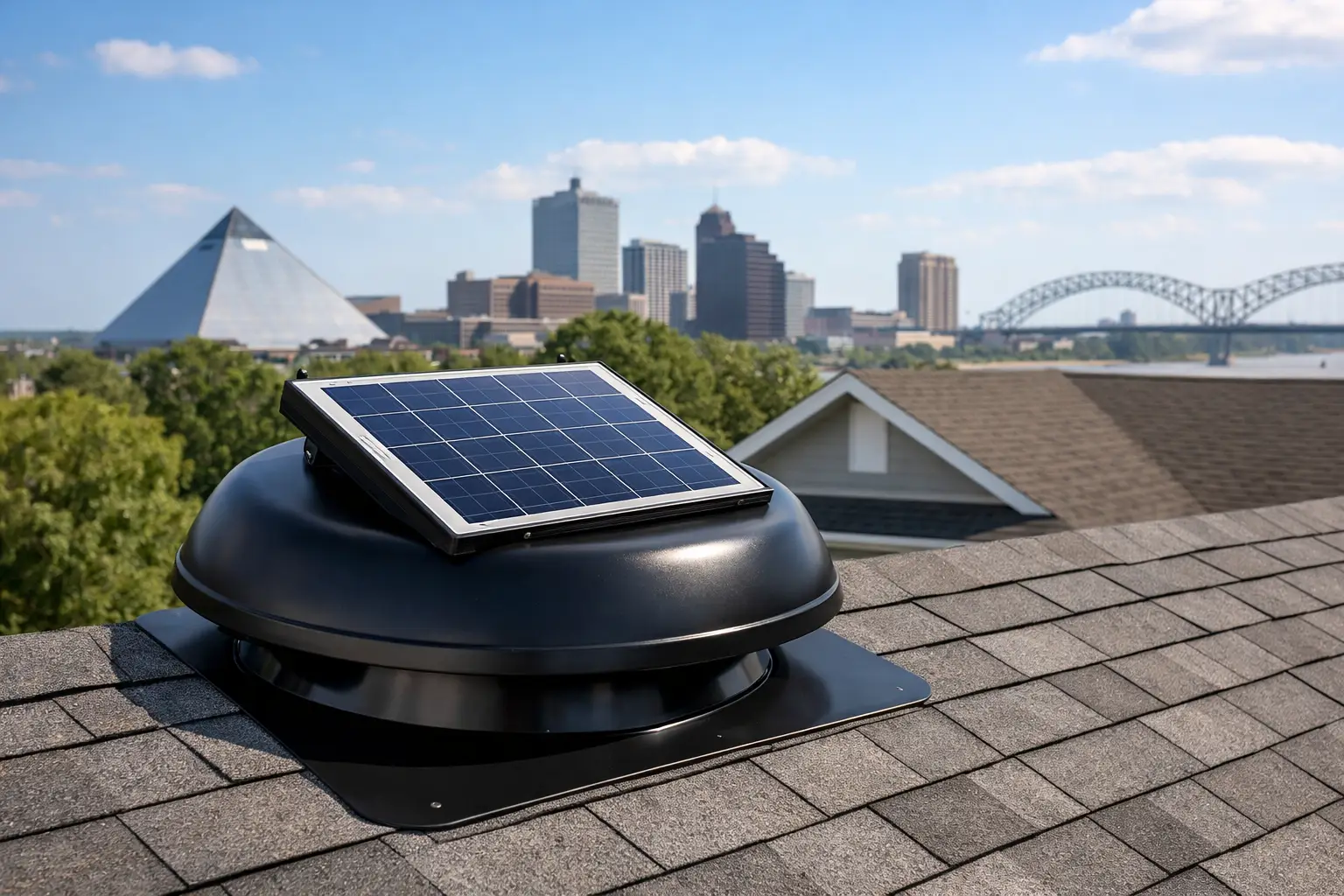
Solar attic fans use a roof-mounted solar panel to power a fan that exhausts hot air from the attic. Because the system runs on sunlight rather than household electricity, it does not add directly to your electric bill. Most models are designed to activate as temperatures rise, moving attic air outside when the roof is receiving the most solar exposure.
The basic idea makes sense: hot air leaves through the fan, and replacement air enters through properly placed intake vents, usually soffit vents. In a balanced system, that airflow can reduce extreme attic heat and moisture buildup.
Attic Depot solar fans are one option homeowners may consider when comparing solar-powered attic ventilation products. Exact features vary by model, so it is worth reviewing the fan’s airflow rating, solar panel size, warranty terms, flashing design, and whether it includes a thermostat or backup power option. The best unit on paper is still only as effective as the attic and roof system around it.
When a Solar Attic Fan May Be a Good Fit
A solar fan may make sense when an attic has adequate intake ventilation but still traps significant heat. This is common in homes with broad, sun-exposed roof planes, finished rooms near the attic, or older ventilation layouts that were never evaluated as a complete system.
It can also be a practical choice for homeowners who want active ventilation without running new electrical wiring. During a roof replacement, installation is generally more straightforward because the contractor can integrate the fan and flashing carefully while the roofing system is being installed.
In the Memphis area, solar attic fans can be especially appealing because our long cooling season puts heat management on homeowners’ minds. Still, expectations should stay realistic. A fan may lower attic temperatures, but it will not automatically make a poorly insulated upstairs bedroom comfortable or solve high summer utility costs by itself.
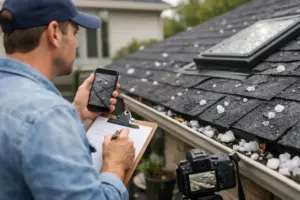
A professional inspection should look at the entire building envelope, including roof ventilation, soffit intake, insulation depth, recessed lights, attic access openings, bath fan ducting, and signs of moisture. That broader view helps prevent a homeowner from spending money on a fan when air sealing or insulation would deliver a better result.
The Most Important Question: Where Will Replacement Air Come From?
Every exhaust fan needs enough intake air. If a solar fan pulls air out of an attic faster than fresh outside air can enter through soffits or other low-level intake vents, it may pull air from the conditioned space below. That can happen through gaps around light fixtures, plumbing penetrations, attic hatches, wiring openings, and unsealed ductwork.
That is the key trade-off with powered attic ventilation. Instead of reducing cooling demand, an improperly balanced fan can draw air-conditioned indoor air into the attic. Your HVAC system then has to replace that cooled air, which works against the energy-saving goal.
Before adding a fan, a roofing professional should confirm that the soffit vents are open, not blocked by insulation, and sized appropriately for the attic. Baffles or vent chutes may be needed near the eaves to preserve an airflow path above the insulation. Air leaks from the living space should also be sealed before relying on mechanical exhaust.
This is why a quick product purchase is not always the best approach. Good attic ventilation is a system, not a single roof accessory.
Solar Fan vs. Ridge Vent: It Depends on the Existing Roof Design
Many well-designed roofs use passive ventilation: intake at the soffits and exhaust at the ridge. Ridge vents have no motor, make no noise, and work whenever wind and natural heat movement create airflow. When installed with sufficient soffit intake, they are often an excellent long-term ventilation solution.
Adding a powered fan to a ridge-vented roof requires careful planning. A fan can draw air through the ridge vent instead of pulling cooler replacement air from the soffits. In that situation, airflow may short-cycle near the top of the roof deck, limiting the intended benefit.
That does not mean attic depot solar fans are never compatible with ridge ventilation. It means the roof layout, vent placement, attic geometry, and intake capacity must be evaluated before installation. A contractor should not treat every attic as identical or recommend a fan solely because the attic feels hot during an inspection.
Installation Details Matter as Much as the Fan
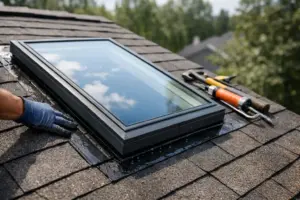
Any roof penetration deserves disciplined installation. A solar attic fan requires a properly sized opening, secure fastening, compatible flashing, and correct integration with the shingles or other roofing material. If the flashing is installed carelessly, a ventilation upgrade can become a leak risk.
Placement matters, too. The solar panel needs reliable sun exposure, but the fan also needs to be positioned where it can effectively exhaust attic air without interfering with other roof components. It should not crowd plumbing vents, skylights, valleys, ridge vents, or areas where water naturally concentrates.
For homes approaching the end of their roof’s service life, it is usually wiser to coordinate the fan with replacement rather than cutting into aging shingles and potentially repeating the work later. A complete roofing project gives the installer an opportunity to assess intake ventilation, improve ridge or off-ridge exhaust where appropriate, and create a cleaner finished result.
At Precision Roofing & Exteriors, we approach ventilation as part of the roof’s protection system. The goal is not simply to install a product. It is to help homeowners make a code-conscious decision that protects the roof, supports indoor comfort, and avoids unnecessary surprises later.
Signs You Should Inspect the Attic Before Buying a Fan
A hot attic alone is not enough to diagnose a ventilation issue. Attics are expected to get hot in a Memphis summer. What matters is whether that heat is contributing to specific problems inside the home or damaging the roof system.
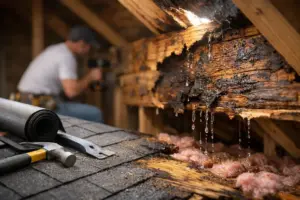
Schedule an inspection if you notice persistently hot upstairs rooms, unusually high cooling costs, mildew odors, damp insulation, frost or condensation in colder weather, peeling paint near soffits, or premature shingle wear. Water stains, roof leaks, and bath exhaust fans that terminate in the attic also deserve prompt attention, since a solar fan is not a remedy for moisture being introduced directly into the space.
You should also check for blocked soffits. Insulation that has been pushed tightly against the roof deck at the eaves can restrict intake air. This is a common and fixable issue, but it changes the recommendation. Restoring proper soffit airflow and improving air sealing may be the priority before installing powered exhaust.
Questions to Ask Before Choosing a Solar Attic Fan
Ask how much net free vent area the attic currently has and whether the intake and exhaust are balanced. Ask whether the home has ridge vents, gable vents, or other exhaust openings that could affect fan performance. Finally, ask how the unit will be flashed into the roofing system and whether the work is covered by a written workmanship warranty.
It is also reasonable to ask what result you should expect. A trustworthy contractor will explain that attic ventilation supports roof longevity and moisture control, but it is not a guaranteed cure for every comfort or energy concern. If your main issue is a hot bedroom, insulation, duct leakage, window performance, and HVAC capacity may all need attention.
The most helpful next step is a clear attic and roof assessment before choosing a fan. When the intake, exhaust, insulation, and roof installation work together, a solar attic fan can be a sensible upgrade. When they do not, correcting the underlying issue first is the better way to protect your home and your investment.