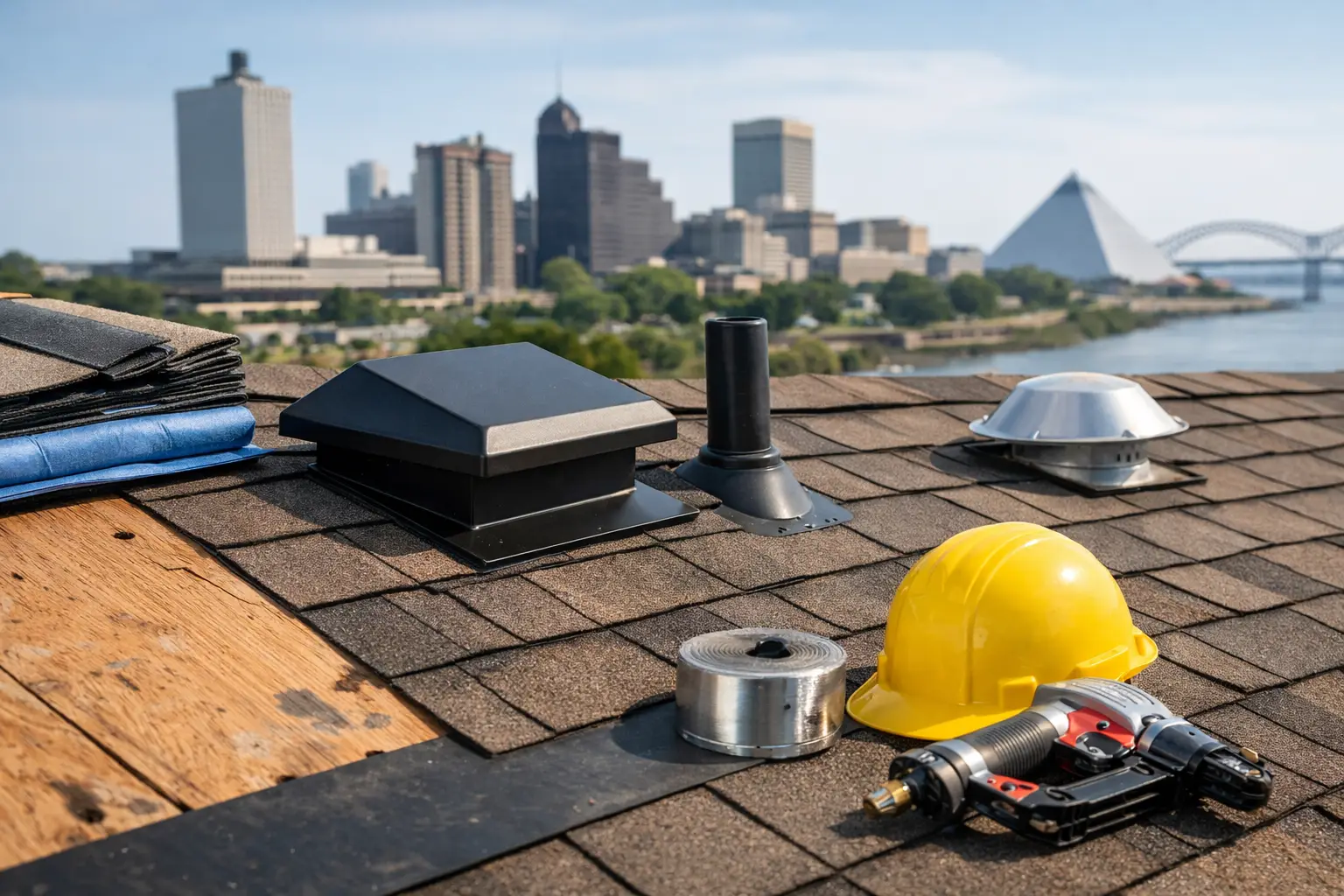
A roof replacement is more than new shingles. The Memphis TN roof code required items behind the finished roof can affect your home’s leak protection, insurance documentation, warranty coverage, and long-term value. That is why a low quote that skips critical details can become expensive long after the crew leaves.
For Memphis-area homeowners, the right approach is simple: treat code compliance as the baseline, not an upgrade. A professional roofer should explain what your home needs, document any damaged materials found during tear-off, and build the work around the applicable local requirements and manufacturer installation instructions.
Why roof code matters on a replacement
Roofing codes are designed to protect the full roof system, not just the shingles you see from the street. They address how the roof covering is attached, how water is directed away from vulnerable transitions, whether the deck is sound, and how the attic handles moisture and heat.
Memphis weather makes those details especially relevant. Heavy rain, high humidity, summer heat, wind-driven storms, and occasional severe weather all expose weak points around valleys, chimneys, walls, skylights, pipe boots, and roof edges. A roof can look clean on day one and still be vulnerable if those components were installed incorrectly.
Local requirements can change as jurisdictions adopt newer building-code editions or local amendments. The City of Memphis, Shelby County, and nearby communities may also have different permit procedures. Your contractor should confirm the requirements that apply to your address and scope of work before installation begins.
Memphis TN roof code required items homeowners should expect
The exact scope depends on your roof design, existing conditions, and whether the project is a repair or a full replacement. Still, several items commonly come into play during a code-conscious reroof.
Permit and inspection requirements
A permit may be required for a roof replacement, depending on the jurisdiction and project details. Permit requirements are not just paperwork. They create an official record that work was performed under the applicable standards and may involve inspections at specific stages.
Homeowners should ask who is pulling the permit, whether permit fees are included in the estimate, and what inspections may be required. A transparent contractor will not leave those questions unanswered or shift the responsibility to you after the contract is signed.
Sound roof decking
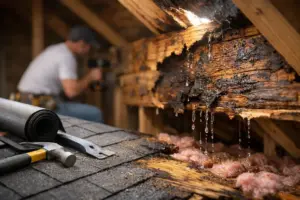
Shingles, underlayment, and flashing can only perform as well as the deck beneath them. During tear-off, the crew should inspect the roof decking for rot, water damage, delamination, soft areas, or sections that no longer hold fasteners properly.
Deck repairs are often impossible to confirm until old materials are removed. That does not mean the cost should be a surprise. Your estimate should explain the unit price for any necessary decking replacement and include photos or a clear explanation when repairs are recommended. Replacing compromised decking protects the new roof from sagging, wind damage, and premature leaks.
Correct underlayment and edge protection
Underlayment is the secondary water-shedding layer installed between the roof deck and shingles. Depending on the roofing system, it may be asphalt-saturated felt or a synthetic underlayment approved for the application. It needs to be installed with proper overlaps, fastening, and detailing so it performs as intended beneath the finished roof.
Drip edge is another small component with a major job. Installed along roof edges, it helps direct water away from the fascia and into the gutter system instead of allowing moisture to work behind the edge of the roof. The placement and sequence of drip edge and underlayment matter, particularly at eaves and rakes.
Some homeowners ask about ice and water barrier because they have heard it mentioned in roofing estimates. In colder climates, it is often a code requirement at eaves because of ice dams. Memphis does not face the same sustained snow and ice conditions as northern markets, so it may not apply in the same way. However, self-adhering membrane can still be a smart protective detail in valleys, around penetrations, or at other leak-prone areas when the roof design or manufacturer instructions call for it.
Proper flashing at every transition
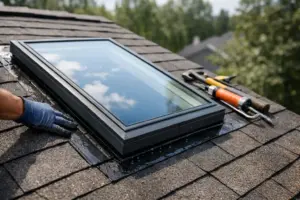
Most roof leaks do not begin in the middle of a shingle field. They begin where the roof meets something else. Flashing protects these transitions, including chimneys, sidewalls, headwalls, valleys, skylights, dormers, and plumbing penetrations.
Good flashing work is layered with the roofing materials so water is directed outward, not trapped behind a surface seal. Caulk has a role in certain details, but it is not a substitute for properly integrated metal flashing. If an estimate simply says flashing as needed, ask what will be replaced, what can be reused, and how problem areas will be addressed.
Pipe boots deserve special attention. They are a common source of leaks on aging roofs because sunlight and weather can crack rubber collars over time. Replacing worn penetration flashings as part of a reroof is a practical way to avoid a preventable service call later.
Ventilation or a properly designed unvented assembly
Attic ventilation is about more than keeping a home cooler. Proper airflow can help manage heat and moisture in the attic, reducing the conditions that contribute to condensation, mold growth, warped decking, and shortened shingle life.
A conventional vented attic generally needs balanced intake and exhaust ventilation, with intake commonly located near the eaves and exhaust near or at the ridge. The needed amount and arrangement depend on the attic configuration, insulation, and existing vent openings. Adding a ridge vent without adequate intake, for example, may not solve the underlying airflow problem.
Some homes use unvented roof assemblies, which follow a different set of design requirements involving insulation and air control. This is one area where one-size-fits-all advice can cause problems. Your roofing professional should evaluate how your home is built before recommending changes to vents or insulation.
Wind-rated fastening and approved materials
Roofing materials must be installed according to the applicable code and the manufacturer’s instructions. That includes using the right number of fasteners, proper nail placement, compatible underlayment, and approved accessories for the specific shingle or roofing product.
Wind resistance is not determined by the shingle label alone. A premium shingle cannot reach its intended performance if nails are placed too high, driven through the mat, or installed in insufficient numbers. Careful installation at roof edges, hips, ridges, and valleys is equally important when storms move through the Memphis area.
Reroofing limits and existing layers
A new roof is not always allowed to be installed over older roofing layers. Existing layers, damaged decking, roof slope, and the condition of the current system can all affect whether a complete tear-off is necessary. If the roof already has multiple layers or has moisture damage, covering it can hide problems rather than solve them.
A tear-off adds labor and disposal costs, but it gives the installer access to the deck and allows critical flashing and edge details to be rebuilt correctly. For many homes, that visibility is worth the investment.
Code compliance, warranties, and best practices are not identical
Code is the minimum legal standard. Manufacturer requirements may be more specific, especially when a homeowner wants enhanced warranty coverage. A quality contractor may also recommend details that exceed the minimum because they make sense for the roof’s age, pitch, drainage pattern, or exposure to wind-driven rain.
For example, upgraded valley protection, replacement chimney flashing, or improved ventilation may not be treated the same way on every house. The key is receiving a clear explanation of why the work is recommended, what it costs, and what risk it helps reduce.
Questions to ask before your project starts
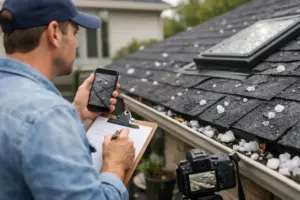
Before approving a roofing contract, ask whether a permit is required for your address, who will handle it, and whether inspections are included. Confirm how decking damage will be documented, which underlayment and flashing materials will be installed, and whether the estimate includes replacing pipe boots, drip edge, and other aging accessories.
Also ask how the contractor will protect landscaping, collect debris, and perform the final walkthrough. Code-compliant work should not come at the expense of a messy property or poor communication. You deserve both a properly installed roof and a respectful experience.
At Precision Roofing & Exteriors, we believe a roof replacement should leave homeowners with clear answers, clean surroundings, and confidence in what is protecting their home. A thorough inspection before the work begins is the best way to identify code-related needs early and make decisions without pressure or surprise costs.