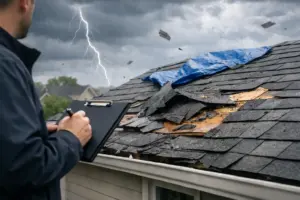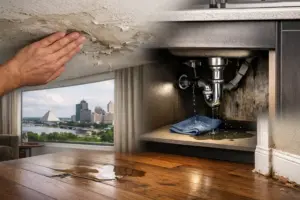
A roof leak rarely shows up at a convenient time. It usually starts with a ceiling stain after a storm, a few shingles in the yard, or that uneasy feeling that a small problem could turn into interior damage if you wait. If you are asking how long does roof repair take, the honest answer is anywhere from a couple of hours to a few days, depending on the type of damage, the roofing material, weather conditions, and whether hidden issues are found once the work begins.
For most homeowners, the real concern is not just the number of hours on the roof. It is how quickly the problem can be inspected, scheduled, repaired correctly, and closed out without dragging on for weeks. That is where a professional process matters just as much as the repair itself.
How long does roof repair take on average?
Most standard residential roof repairs are completed in one visit. A small shingle repair, pipe boot replacement, minor flashing fix, or limited leak repair may take between 1 and 4 hours. Slightly larger repairs, such as replacing a section of damaged shingles or addressing storm impact across several areas, often take half a day to a full day.
More complex repair work can take 2 to 3 days. That usually applies when there is structural wood rot, widespread flashing failure, multiple leak points, or damage around skylights, chimneys, valleys, or roof penetrations. If the repair involves special-order materials or insurance coordination, the overall timeline can stretch beyond the actual labor time.
So when homeowners ask how long does roof repair take, there are really two timelines to consider: the time spent physically doing the work and the total calendar time from inspection to completion.
What affects roof repair timing?
The biggest factor is the scope of the damage. A missing shingle is not in the same category as a leak that has been soaking decking for months. Once a crew removes roofing materials, they may discover soft wood, damaged underlayment, or signs of poor previous workmanship that need to be corrected before the roof can be properly sealed.
Roof type also matters. Asphalt shingle repairs are usually the fastest because materials are common and installation methods are straightforward. Tile, slate, metal, and low-slope systems often take longer because they require more specialized handling, custom fabrication, or longer steps to maintain manufacturer standards and water-tight performance.
Accessibility can add time too. A steep roof, a multi-story home, limited driveway access, fencing, landscaping obstacles, or delicate exterior features can slow setup and cleanup. Experienced crews plan for those conditions, but they still affect how quickly work can move safely.
Weather is another major variable in the Memphis area. Roofing repairs need dry conditions for many materials and sealants to perform as intended. After heavy wind, hail, or periods of rain, schedules can tighten across the region as more homeowners call for service at once. A repair that takes four hours on the roof may still need to wait for a safe, dry opening on the calendar.
Simple repairs vs. complex repairs
A straightforward repair is usually exactly what homeowners hope for. The problem is visible, the damaged area is contained, matching materials are available, and the repair can be finished quickly. Examples include replacing a few lifted shingles, resealing exposed nail heads, repairing a vent boot, or securing flashing that has pulled loose.
A more involved repair takes longer because the source of the leak is not always obvious from the inside. Water can travel along decking, rafters, and underlayment before it appears in a ceiling or wall. That means the visible stain in your home may be several feet away from the actual roof failure. Good roofers take time to trace the issue correctly instead of applying a fast patch that only buys a few weeks.
This is also why pricing and timing sometimes change after the initial inspection. If hidden damage is uncovered once shingles are lifted, the contractor should explain what was found, why it matters, and what needs to happen next. Clear communication keeps the process low-stress, even when the repair grows beyond the original expectation.
The timeline from inspection to final walkthrough
In many cases, the inspection can happen within a day or two of your call, sometimes faster for urgent leaks or storm damage. After that, you will usually receive an estimate and scope of work. If materials are in stock and the weather cooperates, many common repairs can be scheduled quickly.
That said, the repair date is not always the same as the estimate date. Homeowners sometimes assume a short repair means immediate availability, but reputable contractors are balancing crew schedules, safety, weather windows, and material coordination. A company with an organized process can still move quickly without rushing the workmanship.
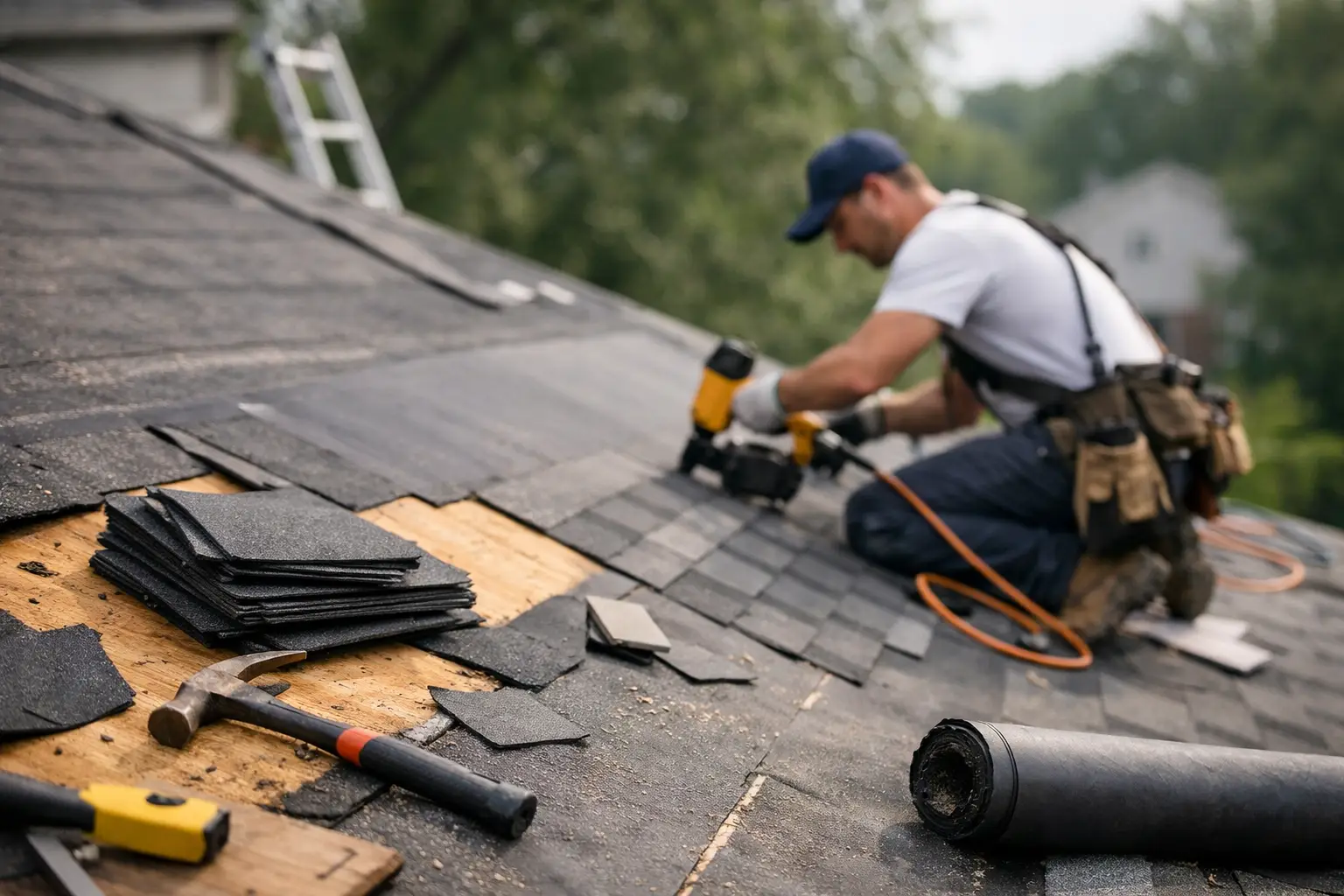
On repair day, setup and protection of the work area come first. Then the crew removes damaged materials, addresses any exposed underlayment or decking issues, installs the repair, and performs cleanup. A final walkthrough or post-repair review should confirm what was completed and whether any related concerns were noticed.
For emergency situations, temporary protection may happen first. Tarping or sealing an active leak can often be done much faster than a permanent repair, especially if rain is still in the forecast. That temporary step protects your home while the full repair is scheduled under better conditions.
How storm damage changes the timeline
Storm damage repairs often take longer on the calendar, even when the roof work itself is not extensive. The reason is simple: after a major weather event, demand spikes. Crews are responding to emergency calls, inspections increase across the area, and insurance-related documentation may need to happen before repairs begin.
If your roof damage involves an insurance claim, there may be an additional inspection, adjuster coordination, or approval process. That does not always delay things dramatically, but it can add a few days or more depending on claim volume and paperwork. Homeowners who work with a contractor that understands storm restoration usually have a smoother experience because the documentation, estimate detail, and communication are already built into the process.
Signs your repair may take longer than expected
Some roofs give early clues that the job could be more involved. If your roof is older, has had multiple prior repairs, shows signs of sagging, or has recurring leaks in the same area, there is a greater chance that surface damage is only part of the problem.
Repairs around chimneys, skylights, valleys, and wall intersections also tend to require more care. These are high-risk leak areas because they depend on flashing details, not just shingles alone. If water has been entering for a while, there may be damage to surrounding wood or insulation that needs attention before the roof can be fully restored.
Material matching can also slow things down. If your shingles are discontinued or your roof has a specialty color or profile, sourcing a close match may take longer than the labor itself. A good contractor will be upfront about that instead of forcing a poor-looking patch.
What homeowners can do to keep repairs moving
The fastest repairs usually happen when the problem is addressed early. Waiting until a leak becomes active in multiple rooms gives water more time to damage decking, framing, and interior finishes. Calling for an inspection when you first notice missing shingles, lifted flashing, granules in gutters, or water spots can keep a small repair from turning into a larger project.
It also helps to share as much detail as possible when you schedule service. Mention when the leak appears, whether it happens only during wind-driven rain, what part of the home is affected, and whether you noticed damage after a recent storm. Photos are useful when available, but they do not replace a proper inspection.
If you suspect storm damage, avoid climbing on the roof yourself. Safety comes first, and a certified crew can assess conditions much more accurately. Companies like Precision Roofing & Exteriors also understand that homeowners want more than speed. They want a repair done cleanly, professionally, and with clear expectations from start to finish.
When a repair becomes a replacement conversation
Sometimes the right answer is not a bigger repair. If the roof is near the end of its service life, has widespread storm damage, or would require repeated patchwork in multiple areas, replacement may be the smarter long-term investment. That does not mean every leak calls for a new roof. It means timing should be weighed alongside value, durability, and how much life the current system realistically has left.
A trustworthy contractor will explain that trade-off clearly. If a repair will buy years of reliable performance, that should be said. If it is more of a temporary measure on an aging roof, that should be said too.
If you are wondering how long does roof repair take, the best answer starts with a close inspection and an honest scope of work. The sooner you know what is really going on, the sooner you can protect your home and get back to normal with confidence.