A storm can leave behind more than a few scattered branches. Wind-driven rain, hail, and fallen debris can create small exterior openings that allow water into places it does not belong. Prompt, professional storm damage repair helps protect your Memphis-area home from a manageable repair turning into damaged decking, stained ceilings, mold growth, or an insurance dispute.
The right next step is not always a full replacement. It depends on what the storm damaged, how old the affected materials are, and whether the home can be restored with a code-compliant repair. What matters most is getting clear answers early, protecting the property safely, and choosing a contractor who documents the work carefully.
Start With Safety, Not a Roof Inspection
After severe weather, it is tempting to grab a ladder and look for missing shingles. That can be dangerous, especially when a roof is wet, debris is unstable, or power lines may be down. A ground-level walk around your home is usually the safer first move.
Look for obvious signs such as shingles in the yard, bent flashing, damaged gutters, dented downspouts, loose siding, cracked window glass, or branches resting on the roof. Inside, check ceilings, attic access areas, and upper walls for fresh water marks, drips, or a musty odor. Take photos and short videos from a safe distance before moving debris or making temporary repairs.
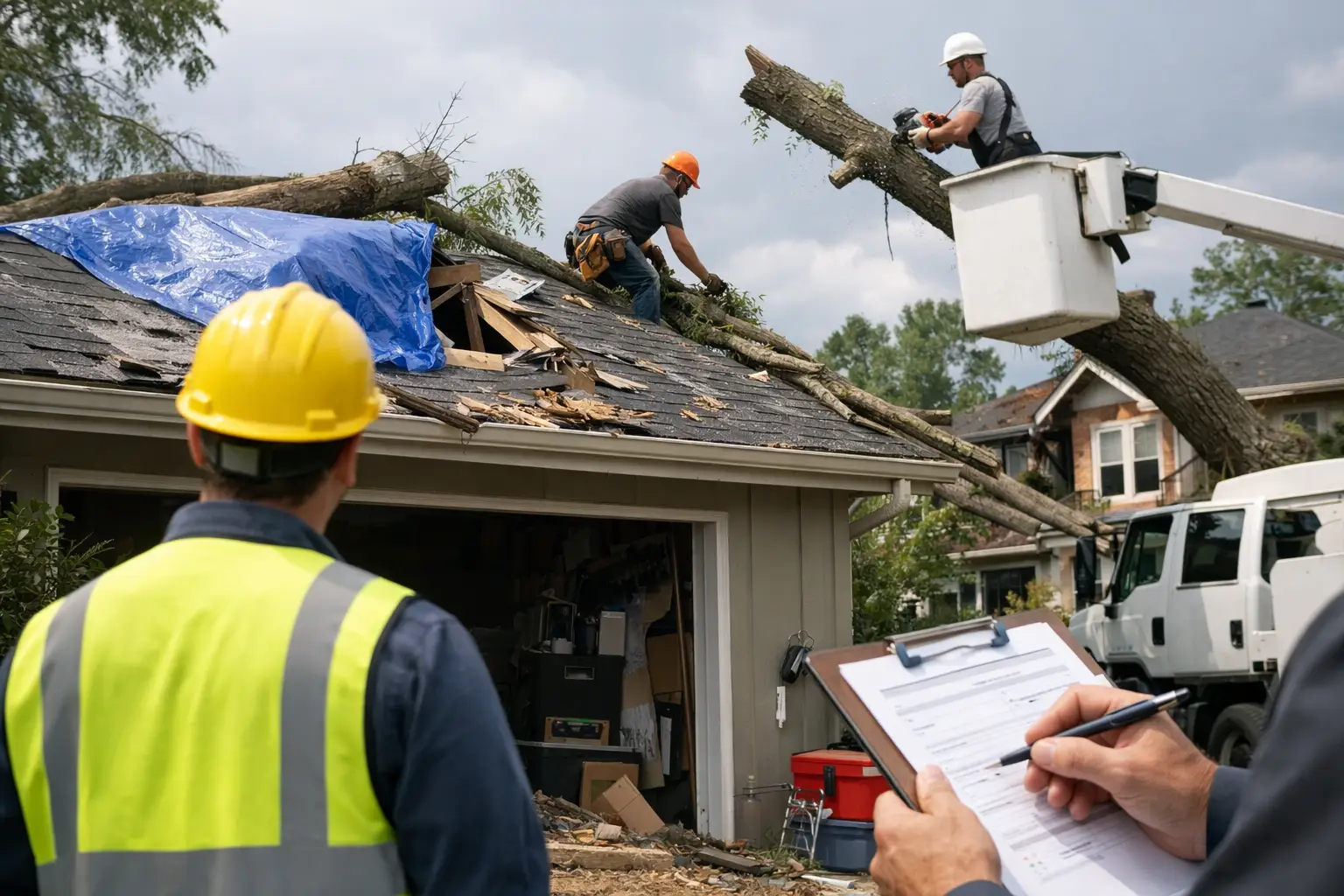
If water is actively entering the home, move furniture, electronics, and valuables away from the affected area. Use containers to catch drips where practical. For a compromised roof, exposed opening, or major leak, call for emergency service rather than attempting a tarp installation yourself. A temporary protective measure can limit further damage while a full inspection is arranged.
What Storm Damage Can Look Like
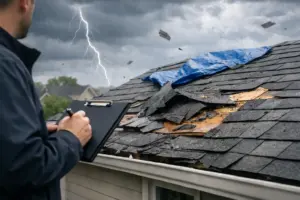
Not every damaged roof looks dramatic from the ground. Hail impact can bruise or fracture asphalt shingles without creating an immediate leak. Strong wind can lift shingle edges, break their seal, or pull fasteners loose. Over time, these conditions can make the roof more vulnerable during the next storm.
Storm damage may also affect parts of the exterior that homeowners do not always connect to roof performance. Gutters can pull away from the fascia, causing water to spill near the foundation. Damaged siding can expose wall sheathing to moisture. Cracked skylight flashing or displaced vents can create a direct path for rainwater.
In the Memphis area, heavy rain and high winds often expose weaknesses that were already developing. A roof near the end of its expected service life may lose shingles during a storm, but the storm is not always the only factor. A qualified inspection should separate recent storm-related damage from normal wear, installation issues, and pre-existing conditions. That distinction matters when planning repairs and speaking with your insurance carrier.
Why a Professional Storm Damage Repair Inspection Matters
A thorough inspection should be more than a quick glance at the roofline. The contractor should evaluate shingles or other roofing materials, flashing, penetrations, ridge caps, valleys, vents, gutters, siding, and visible signs of interior moisture. They should also inspect the roof for damage that may not be visible from the ground.
Homeowners deserve a straightforward explanation of the findings. That means identifying what is damaged, what can be repaired, what should be monitored, and what may need replacement. It also means discussing the trade-offs honestly. Replacing a few wind-damaged shingles can be appropriate when matching materials are available and the surrounding roof is in good condition. If shingles are brittle, discontinued, extensively damaged, or near the end of their life, a larger repair or replacement may offer better long-term protection.
Ask for an itemized estimate that clearly describes the recommended scope. A dependable contractor will explain the materials, labor, cleanup process, warranty coverage, and any temporary measures needed to keep the home protected. This clarity helps you make decisions without pressure or surprise costs.
Document Damage Before Filing a Claim
Insurance can be helpful after a qualifying storm event, but the process is easier when the damage is documented carefully. Save photos of exterior and interior conditions, records of the storm date, emergency mitigation invoices, and notes from your contractor’s inspection. Keep communication with your insurer in writing whenever possible.
You do not need to decide on your own whether the damage qualifies for coverage. Your insurance carrier makes that determination according to your policy. However, a professional inspection can give you useful documentation and a clear repair scope before the adjuster visit.
When filing a claim, provide accurate information and avoid guessing about the cause or cost of damage. Be cautious about signing paperwork that assigns broad rights to a contractor before you understand it. A reputable local contractor can assist with the documentation process, meet with an adjuster when appropriate, and help explain the scope of work, but the claim remains your agreement with your insurer.
Choosing the Right Contractor After a Storm
Storms often bring an increase in contractors knocking on doors and offering immediate repairs. Some are qualified local professionals. Others may be temporary operators who leave before warranty concerns arise. The urgency of a leak is real, but homeowners should still take a moment to verify who will be working on their home.
Look for a contractor with a local presence, appropriate licensing and insurance, manufacturer certifications where applicable, and a written workmanship warranty. Ask whether crews are background-checked, how the property will be protected during work, and how cleanup will be handled. The best exterior contractors treat your home with respect from the first inspection through the final walkthrough.
It is also wise to confirm that the contractor can address the full exterior system. A roof repair may solve one problem while a bent gutter, damaged fascia, or compromised siding continues to direct water where it should not go. Working with one experienced team can reduce handoffs and help ensure the repairs work together.
Precision Roofing & Exteriors helps homeowners evaluate roofing, gutter, siding, window, and skylight damage as part of one coordinated plan. For families dealing with an unexpected storm, that means fewer calls to manage and a clearer path from inspection to completed repair.
When Repair Is Enough and When Replacement Makes Sense
A repair is often the right answer when damage is limited to a defined area and the remaining roof is in sound condition. Replacing a few shingles, resealing flashing, repairing a vent, or restoring a gutter section can extend the life of an otherwise healthy exterior.
Replacement becomes more practical when damage is widespread, the roof has multiple leak points, matching shingles are no longer available, or underlying materials have been compromised. Age matters too. Investing heavily in repairs for a roof already nearing the end of its service life may not offer the best value, particularly if another severe storm could expose additional weak areas.
A good recommendation should be based on evidence, not a one-size-fits-all sales pitch. Your contractor should show you the damaged areas, explain the expected performance of each option, and provide a written estimate so you can compare short-term cost with long-term protection.
Protect the Home While Repairs Are Scheduled
Some repairs can begin quickly, while full replacements may require material ordering, permitting, or insurance approval. During that time, temporary protection is essential if the roof or exterior remains exposed. Emergency tarping, temporary sealing, or securing loose materials may prevent further water intrusion.
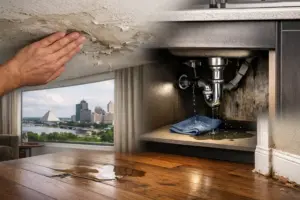
Continue watching the affected area after the first repair or tarp is installed. If you notice new staining, dripping, bubbling paint, or a sagging ceiling, report it promptly. Water can travel along framing before it becomes visible, so the spot where a stain appears may not be directly below the entry point.
Avoid delaying repairs simply because a leak seems to have stopped. Moisture trapped in insulation, decking, or wall cavities can continue causing damage after the weather clears. Addressing the source early protects both your home’s structure and the comfort of the people living inside it.
After a storm, the goal is simple: make the home safe, understand what was damaged, and choose repairs that will hold up when the next round of weather arrives. A careful inspection and a clear plan can replace uncertainty with the confidence that your home is protected again.