A roof replacement is not just a material decision. For Memphis-area homeowners, it is a decision about how well your home will handle summer heat, heavy rain, wind-driven storms, and the years ahead. When comparing asphalt shingles vs metal roofing, the right answer depends on your budget, how long you plan to stay in the home, your home’s design, and the condition of the existing roof structure.
Both systems can protect a home well when they are installed correctly. The bigger difference is how they get there. Asphalt shingles offer familiar style and a lower upfront investment. Metal roofing costs more at installation but can provide a longer service life and strong weather performance. A professional inspection should come before either choice, especially if storm damage, ventilation concerns, or decking repairs may affect the scope of work.
Asphalt Shingles vs Metal Roofing: The Core Differences
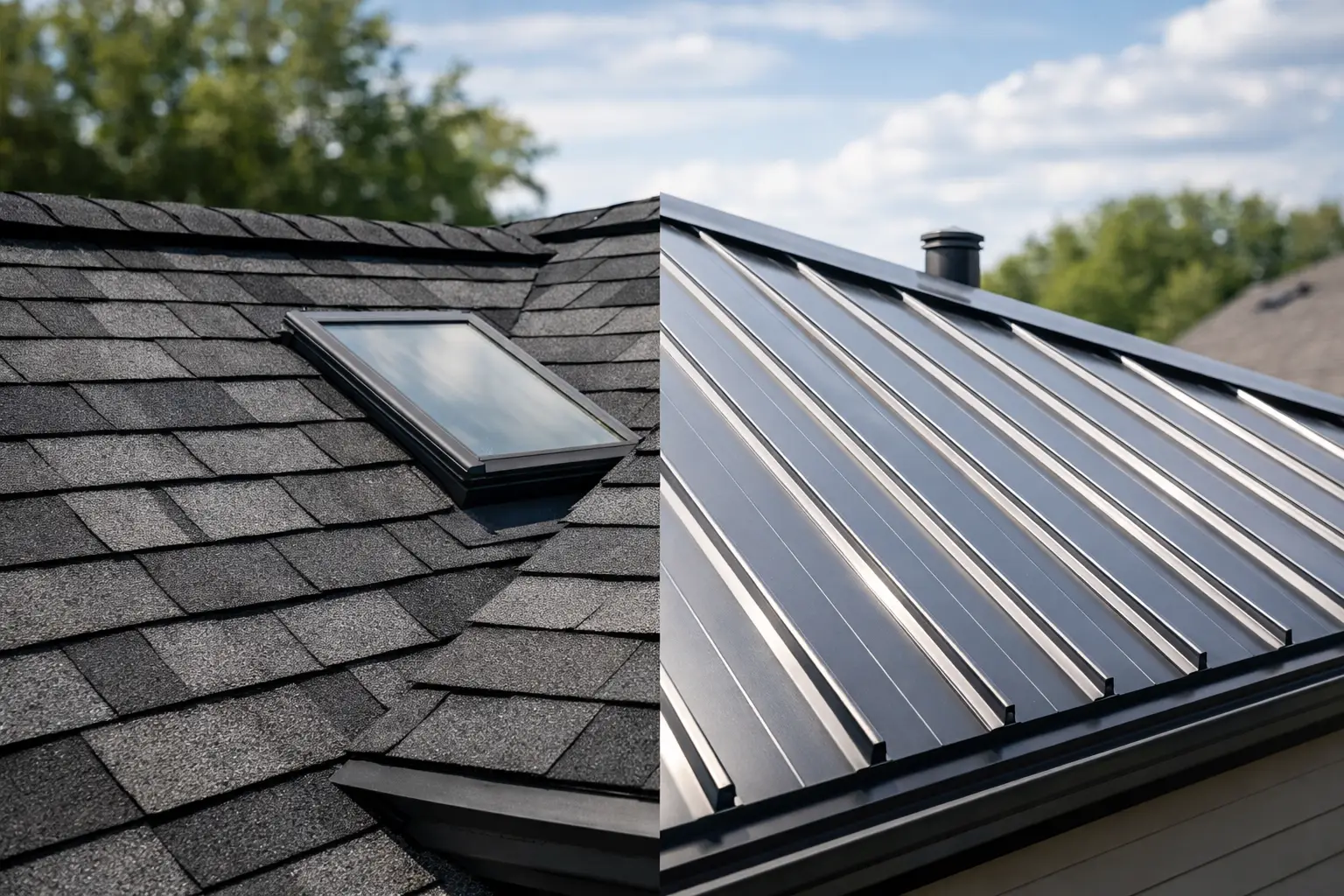
Asphalt shingles remain the most common roofing material on homes throughout Memphis, Germantown, Olive Branch, and surrounding communities. They are versatile, widely available, and offered in a broad range of colors and profiles. Architectural shingles, in particular, give homeowners a dimensional look that works with traditional, Colonial, ranch, and many modern home styles.
Metal roofing is available in standing seam panels, metal shingles, and other profiles that can range from clean and contemporary to more traditional. It is known for its durability, long lifespan, and ability to shed water efficiently. Modern metal roofing is not limited to the shiny agricultural look some homeowners remember. Today’s finishes can complement a wide variety of residential exteriors.
The best material is not automatically the one with the longest lifespan or the lowest estimate. It is the system that fits your home, priorities, and installation conditions without leaving surprises behind the finished roof.
Upfront Cost and Long-Term Value
For most homeowners, asphalt shingles have the lower initial cost. They require less specialized labor and are generally faster to install, which makes them an accessible choice for a planned replacement or a time-sensitive storm claim. If your current roof is nearing the end of its service life and you need reliable protection without a large upfront expense, a quality architectural shingle system can be an excellent value.
Metal roofing usually carries a higher initial price because the materials and installation process are more specialized. Proper panel layout, flashing details, fasteners, trim, and transitions all matter. A low metal roofing estimate is not always a bargain if it leaves out necessary components or relies on shortcuts around penetrations, valleys, or edges.
Over time, metal may offer value through its longer potential lifespan. Many metal systems can last decades longer than asphalt shingles when professionally installed and maintained. That does not mean metal is always the better financial choice. A homeowner planning to move in several years may prefer the lower upfront cost and broad buyer appeal of architectural shingles. A homeowner intending to stay for the long haul may see more value in metal’s durability.
Financing can also change the conversation. The right roof should protect your home without creating unnecessary financial pressure, so it helps to compare complete, itemized estimates rather than focusing only on the first number.
Lifespan Depends on Installation and Conditions
A well-installed asphalt shingle roof can often provide 20 to 30 years of service, depending on the shingle grade, sun exposure, ventilation, weather events, and maintenance. Memphis heat can be demanding on roofing materials. High attic temperatures can accelerate aging, which is one reason balanced intake and exhaust ventilation deserve attention during a replacement.
Metal roofing commonly has a longer expected lifespan, often 40 to 70 years or more depending on the system, coating, environment, and care. Its panels do not absorb water like shingles, and the material is less vulnerable to some forms of surface deterioration. However, metal is not maintenance-free. Fasteners, sealants, flashings, and protective finishes should still be inspected periodically.
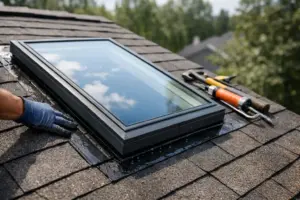
Neither material can overcome poor workmanship. A roof’s most vulnerable areas are often not the large open sections. They are the valleys, pipe boots, chimney transitions, skylights, wall intersections, and roof edges. Quality underlayment, correct flashing, code-compliant ventilation, and careful installation protect those details.
Storm, Wind, and Fire Performance
Homeowners in the Mid-South know that a clear forecast can turn into a severe-weather afternoon quickly. Wind, hail, heavy rain, and falling branches can all test a roof system.
Asphalt shingles can perform very well in wind when the right product is selected and installed to manufacturer specifications. Impact-resistant shingle options are also available and may be worth considering in areas with frequent hail exposure. After a major storm, shingles are often easier to inspect for lifted tabs, missing pieces, granule loss, and bruising from hail impact.
Metal roofing performs well against high winds when it is engineered and installed properly. Its interlocking panels or secure fastening methods can create a durable, continuous surface. Metal also sheds rain and snow efficiently, though snow load is rarely the deciding factor in the Memphis area. For hail, the trade-off is different: metal may resist puncture, but it can dent. Whether cosmetic denting is acceptable depends on the panel profile, gauge, finish, and the homeowner’s expectations.
Both asphalt and metal roofing can carry strong fire ratings when installed as part of an appropriate system. Homeowners should review the complete assembly, not just the face material, because underlayment and deck conditions matter.
Appearance, Noise, and Everyday Comfort
Asphalt shingles make it easy to coordinate a roof with brick, siding, trim, and gutters. Their texture can add dimension to a home without becoming the dominant visual feature. They are also a practical fit for homes with complex rooflines, dormers, multiple valleys, and numerous transitions.
Metal roofing creates a more defined architectural statement. Standing seam panels are especially popular on homes with modern, farmhouse, or clean-lined designs. Metal can also work beautifully as an accent roof over a porch, bay window, or addition when a full metal roof is not the right fit for the budget or style.
Concerns about rain noise are understandable, but a properly installed residential metal roof over solid decking and attic insulation is not typically dramatically louder indoors than an asphalt roof. The attic assembly has a major influence on sound. Heat is similar: reflective metal finishes can help reduce heat absorption, but insulation, ventilation, air sealing, and window performance still play major roles in indoor comfort.
Installation Considerations That Should Not Be Skipped
A roof replacement is an opportunity to address conditions that are hidden once the new material goes on. Before choosing asphalt or metal, your contractor should evaluate the roof deck, flashing, attic ventilation, drainage, and any signs of moisture intrusion.
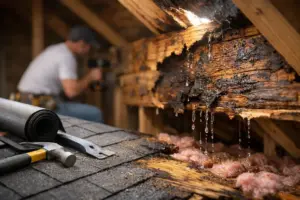
If the decking has soft areas, rot, or storm damage, repairs should be clearly identified in the estimate. If gutters are undersized, pulling away, or draining too close to the foundation, it may make sense to coordinate gutter work with the roof replacement. Keeping water moving away from the home is part of protecting the entire exterior.
Metal roofing also requires careful consideration of roof geometry. Complex roofs can certainly receive metal, but more cuts and details may increase labor and material waste. Asphalt shingles are often more economical on intricate rooflines. On the other hand, a simpler gable roof can be an ideal candidate for standing seam metal panels.
Do not assume an overlay is appropriate simply because it appears less expensive. Removing the existing roof allows the crew to inspect the deck and install the full system correctly. Local code requirements, manufacturer instructions, and the roof’s existing condition should guide that decision.
Which Roofing Material Fits Your Home?
Choose asphalt shingles if you want a dependable, attractive roof with a lower upfront cost, wide style selection, and a proven fit for most residential rooflines. They are particularly practical when you want a high-quality replacement that balances protection, curb appeal, and budget.
Consider metal roofing if long-term ownership, durability, and a distinctive appearance are high priorities. It can be a strong investment for homeowners who are comfortable with a higher initial cost and want a roof designed for decades of service.
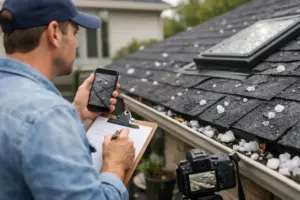
The most useful next step is not choosing a color from a sample board. It is getting a clear inspection and a straightforward estimate that explains what your home needs, why it needs it, and how the work will be completed. At Precision Roofing & Exteriors, that homeowner-first approach helps make a major exterior decision feel more manageable. A roof built with the right materials and careful workmanship gives your family something more valuable than curb appeal: confidence the next time the weather turns.