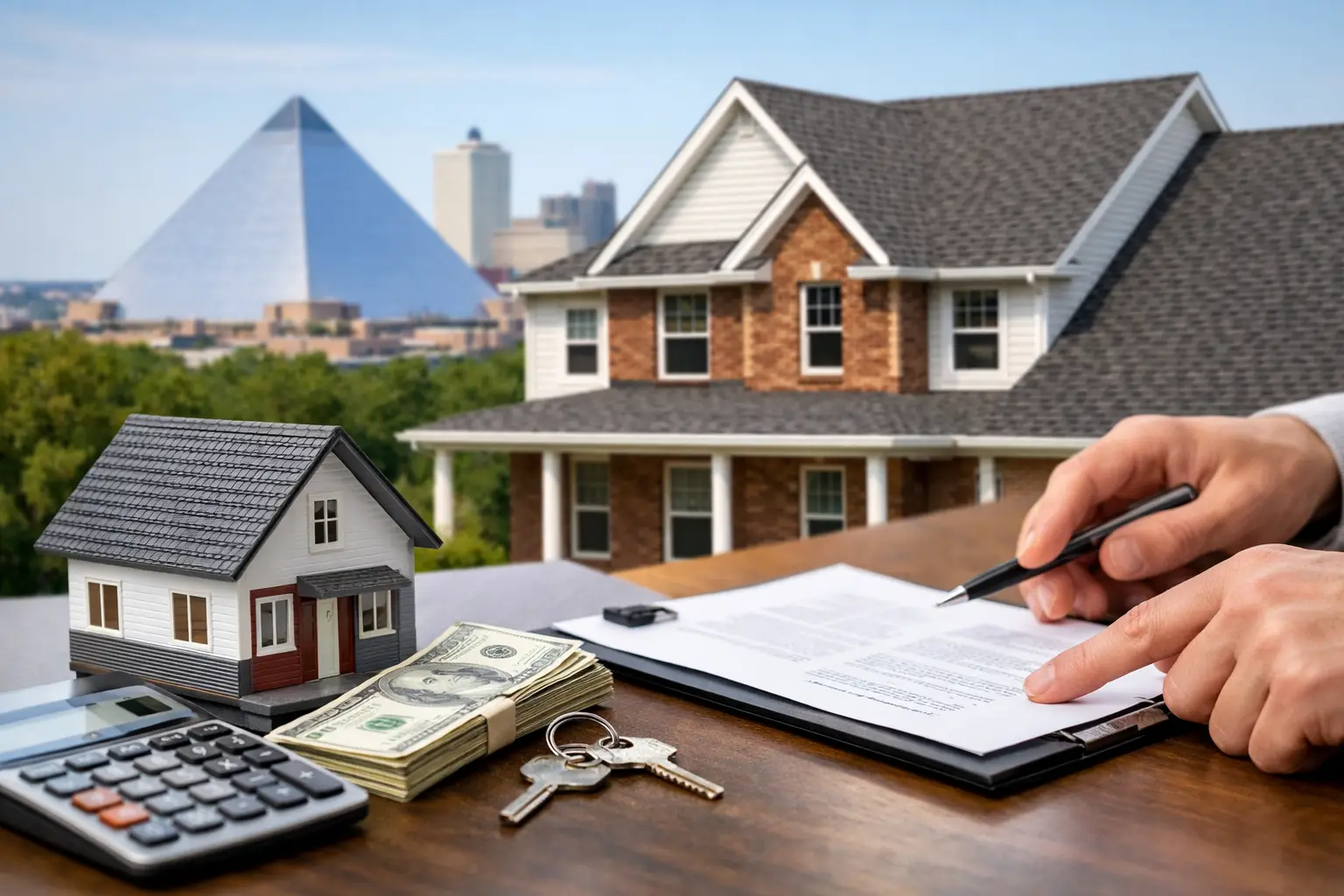
A roof leak rarely arrives when the household budget has extra room. Whether storm damage exposed a weak spot or an aging roof has reached the end of its service life, roof financing can help Memphis-area homeowners address the problem now while spreading qualified project costs over time.
The right payment plan should make a necessary investment more manageable, not create confusion or surprise costs. Before signing an agreement, it helps to understand how financing works, what affects monthly payments, and where insurance may fit into the picture.
When Roof Financing Makes Sense
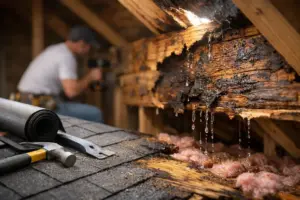
Roof replacement is one of the most meaningful investments you can make in your home. A properly installed roofing system protects the framing, insulation, ceilings, electrical systems, and belongings beneath it. Waiting too long because the full project cost is not available in cash can allow a small repair issue to become a larger, more expensive problem.
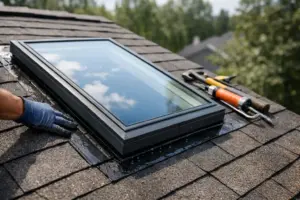
Financing is often a practical choice when a roof is actively leaking, shingles are missing after severe weather, or an inspection finds aging materials that can no longer provide dependable protection. It may also make sense when homeowners want to replace failing gutters, damaged siding, skylights, or other exterior components at the same time. Completing related work together can reduce disruption and help ensure the exterior works as one protective system.
That said, financing is not automatically the best answer for every project. If a repair will safely extend the roof’s life for several years, a smaller repair may be the more appropriate path. A trustworthy contractor should explain the condition of the roof clearly and provide an itemized estimate, rather than pushing replacement before it is warranted.
How Roof Financing Typically Works
Most contractor-arranged financing is offered through a third-party lending partner. After reviewing the project estimate, a homeowner submits an application that generally considers credit history, income, and other lending criteria. If approved, the lender provides available terms, interest rate details, and estimated monthly payments.
The amount financed may cover the full project or only the portion you prefer not to pay upfront. Some homeowners use savings for a down payment and finance the remaining balance. Others finance a complete roof replacement to preserve emergency savings for other household needs.
Your final payment depends on more than the project price. The interest rate, repayment term, loan fees, down payment, and any promotional offer all matter. A longer term may lower the monthly payment, but it can increase the total amount paid over the life of the loan. A shorter term generally costs less in interest but requires a higher monthly payment.
Ask to see the payment details in writing before work begins. You should know the financed amount, annual percentage rate, number of payments, payment due date, total repayment amount, and whether there is any penalty for paying early. Clear answers are part of a stress-free home improvement process.
Promotional Financing Requires Close Attention
Some financing programs advertise deferred interest or low-interest promotional periods. These offers can be helpful for homeowners who have a realistic plan to pay the balance within the promotional timeframe. However, the fine print matters.
With certain deferred-interest offers, interest may be charged retroactively if the balance is not paid in full by the deadline. A low monthly minimum payment might not be enough to eliminate the balance in time. Before choosing this option, divide the full financed balance by the number of promotional months and compare that amount with your household budget.
If the required payoff amount feels too tight, a standard fixed-payment loan may offer more predictable planning. The best option is the one you can comfortably manage, even if an unexpected car repair, medical bill, or household expense comes up later.
Roof Financing and Insurance Claims Are Different
Insurance and financing can both help with a roofing project, but they serve different purposes. Homeowners insurance may cover qualifying sudden or accidental damage, such as wind or hail damage, subject to your policy terms, deductible, exclusions, and adjuster findings. It does not typically cover normal wear, aging, or deferred maintenance.
Roof financing is borrowed money that you repay under agreed loan terms. It may be used for damage that insurance does not cover, for a deductible, for upgrades beyond an insurance settlement, or for a roof replacement that is needed because of age.
For a storm-related claim, start with a professional inspection and document visible damage. A contractor experienced with insurance-related roofing work can help you understand the scope of the damage, prepare an accurate estimate, and communicate project details clearly. The insurance carrier makes the coverage decision, but good documentation can help homeowners avoid gaps between what was damaged and what is included in the repair plan.
Avoid assuming an insurance settlement will cover every desired improvement. If you choose premium shingles, upgraded ventilation, new gutters, or related exterior work beyond the approved claim scope, financing can help cover that difference. Review each cost separately so you know exactly what insurance is paying and what remains your responsibility.
Choosing a Roof Financing Plan With Confidence
The lowest advertised monthly payment is not always the best deal. Consider the full cost of borrowing and how the plan fits your timeline. A homeowner planning to pay off the balance quickly may prioritize a loan with no prepayment penalty. Someone who needs a predictable long-term payment may value a fixed rate and fixed payment schedule.
It is also wise to compare the financing terms with the quality and scope of the roofing proposal. A very low price can leave out essential parts of a code-compliant installation, such as underlayment, flashing, ventilation improvements, decking repairs, permit requirements, or cleanup. Those details affect how well your roof performs through Memphis heat, heavy rain, wind, and seasonal storms.
Before making a decision, make sure you can answer these questions: What is included in the estimate? What will the monthly payment and total repayment be? Is the rate fixed or variable? What happens after a promotional period ends? Who performs the installation, and what workmanship warranty is provided?
A complete proposal should also identify the roofing material, installation method, expected project timeline, and any conditions that could change the price. For example, damaged roof decking may not be visible until old shingles are removed. An honest contractor will explain how concealed conditions are handled instead of leaving homeowners to discover unexpected charges after work is underway.
Protect the Value of the Project, Not Just the Payment
Financing a roof is easier to feel good about when the work is built to last. Look for manufacturer-certified crews, quality materials, written workmanship warranty coverage, proper ventilation, and a contractor with a local reputation for responsive service. The goal is not simply to get new shingles on the house. It is to install a complete system that protects your home and supports its long-term value.
Precision Roofing & Exteriors helps homeowners understand their exterior needs through straightforward inspections and itemized estimates. If financing is part of the conversation, the discussion should remain just as clear: what needs to be done, what it costs, what payment options may be available, and what protection comes with the finished work.
A well-planned roofing project should bring relief, not another source of uncertainty. Start with a professional inspection, review the condition of your roof and the financing terms side by side, and choose a payment approach that lets you protect your home without losing peace of mind.