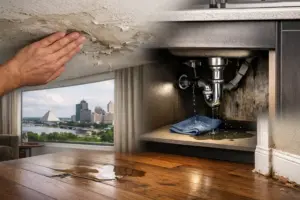
A ceiling stain usually does not start where you see it. In Memphis, a leak can travel along decking, rafters, and insulation before it finally shows up as a brown spot over a hallway or bedroom. That is why understanding the 5 common causes of roof leaks in Memphis TN matters so much for homeowners – the visible damage is often only part of the problem.
Our local weather puts roofs through a lot. Heavy rain, strong wind, high summer heat, humidity, and seasonal storms can all shorten the life of roofing materials or expose weak points that have been there for a while. Some leaks happen suddenly after a storm. Others build quietly over months until water finds a path inside.
Why roof leaks happen so often in Memphis
Memphis homes deal with a mix of weather stress that is tough on roofing systems. Wind-driven rain can force water beneath shingles. Heat and UV exposure can dry out materials and make them more brittle over time. Humidity can worsen hidden moisture problems in attics and around penetrations.
That local combination matters because a roof is not just shingles. It is a full system made up of underlayment, flashing, ventilation, decking, gutters, and sealants. When one part starts to fail, water usually takes the easiest route in. In many cases, the leak itself is only the symptom.
5 common causes of roof leaks in Memphis TN
1. Storm-damaged or missing shingles
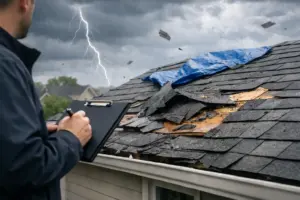
This is one of the most common reasons Memphis homeowners call after bad weather. Strong wind can lift shingles, crease them, loosen the adhesive strip, or tear them off completely. Hail can bruise the shingle surface and knock protective granules loose, which leaves the roof more vulnerable to water intrusion.
The challenge is that storm damage is not always obvious from the ground. A roof may still look mostly intact, but even a few compromised shingles can create an entry point for water. Once the underlayment is exposed or the shingle seal is broken, the next rain can push moisture into the roof deck.
This is also where timing matters. If the damage is recent, a targeted repair may be enough. If the roof is older or the damage is spread across multiple slopes, repair may only be a short-term fix. A professional inspection helps determine whether the issue is isolated or part of a bigger wear pattern.
2. Failed flashing around roof penetrations
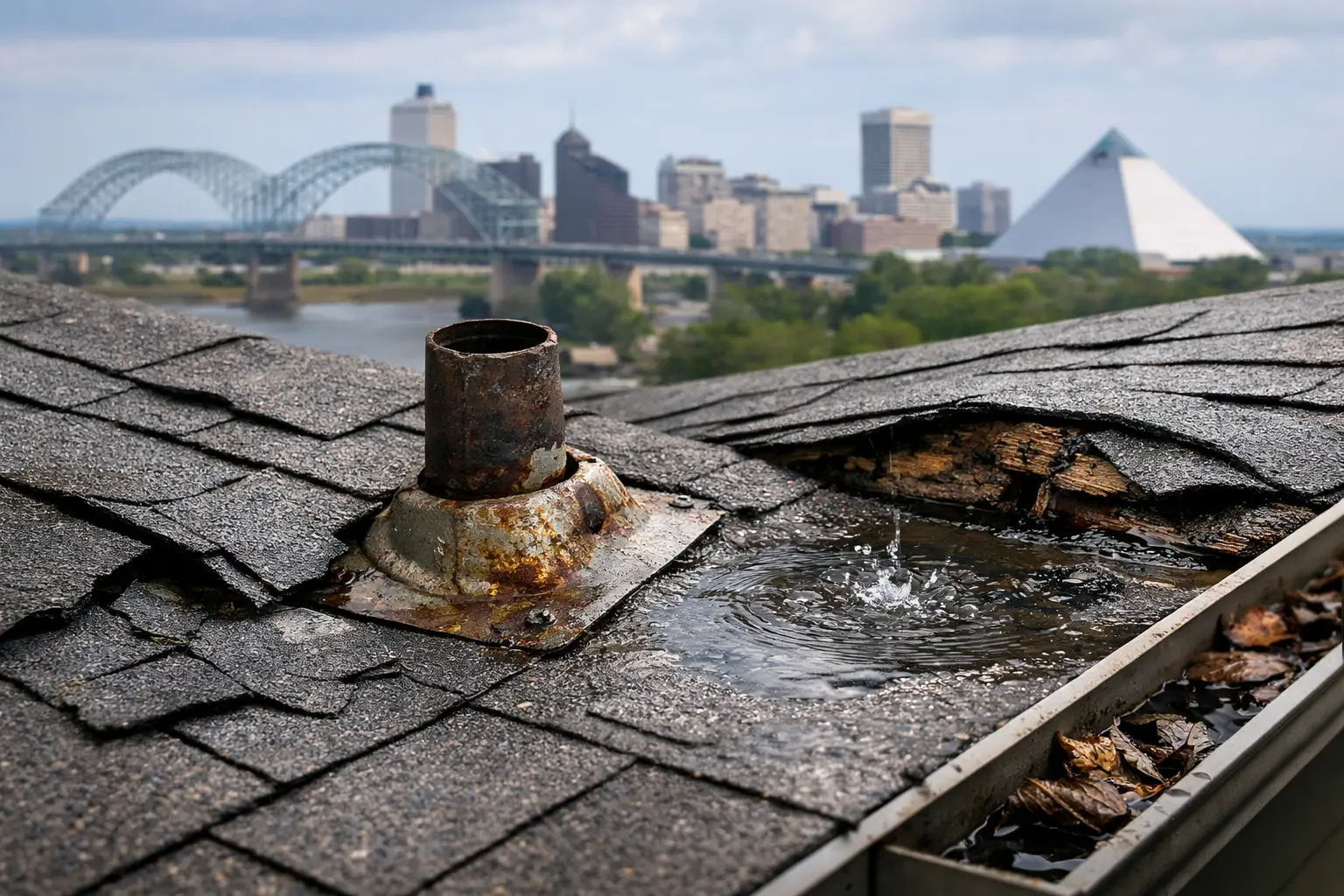
Flashing is the metal material installed around roof transitions and vulnerable areas like chimneys, skylights, vents, dormers, and wall intersections. Its job is simple but critical – direct water away from seams and openings. When flashing pulls loose, corrodes, bends, or was installed incorrectly in the first place, leaks often follow.
In Memphis, flashing problems show up often after storm activity or on roofs where previous repairs were rushed. Homeowners sometimes assume the shingles are to blame when the real problem is around a vent pipe boot or chimney step flashing.
This type of leak can be tricky because it tends to appear in spots that seem unrelated to the exterior entry point. Water can run down framing before it drips into a room. That is one reason roof leak diagnosis should not be guesswork. Replacing a few shingles will not solve a flashing failure.
3. Clogged or damaged gutters
Gutters do more than keep rain off your landscaping. They help move water off the roofline and away from the home. When they clog with leaves, granules, or storm debris, water can back up under the first row of shingles or spill over near fascia and soffit areas.
In our area, this is especially common after heavy rain and storm season. A gutter system that is undersized, pulling away from the house, or sloped incorrectly can also contribute to roof leaks. The water may not always come straight through the field of the roof. Sometimes it enters through rotted wood at the edges or saturates areas around the eaves.
There is a trade-off here. Cleaning gutters can absolutely help prevent moisture problems, but maintenance alone will not fix underlying roof damage that has already developed. If you have overflowing gutters and an interior leak, both issues need to be checked.
4. Aging roofing materials and worn sealants
Every roof has a service life, and even a well-installed system eventually shows wear. Asphalt shingles can curl, crack, or lose granules. Exposed nail heads can loosen. Sealants around vents and flashing can dry out and separate. On older roofs, these age-related problems create multiple opportunities for water to get in.
Memphis heat can speed up this process. Long stretches of sun and high temperatures cause expansion and contraction, which slowly stress roofing materials. Then a strong rain exposes the weakness.
This is where homeowners sometimes face an uncomfortable decision. If the leak is caused by one small aged area, repair may be the right move. But if the roof is nearing the end of its expected life, repeated patchwork can become more expensive than addressing the full system. A trustworthy contractor should explain that clearly, with itemized options, instead of pushing one answer for every home.
5. Improper installation or past repair work
Not every roof leak is caused by weather or age. Some are the result of shortcuts during installation or repair. Misaligned shingles, poorly fastened flashing, missing underlayment details, and incorrect valley construction can all create leak points.
These issues may stay hidden for years until a major storm exposes them. In some cases, homeowners only discover the problem after buying a home or after a previous contractor performed a quick fix that did not address the actual cause.
This is one of the biggest reasons certified installation and workmanship standards matter. A roof can look good from the street and still have vulnerable details underneath. When repair work is needed, it should be done in a way that matches manufacturer requirements and local code rather than just covering the symptom.
Warning signs a leak may be worse than it looks
Some roof leaks stay small and manageable. Others spread into insulation, decking, drywall, and even framing. If you notice bubbling paint, a musty smell in the attic, sagging drywall, or water spots that keep returning, the issue may be more extensive than a simple surface repair.
It also depends on when the leak occurs. A leak that only appears during wind-driven rain often points to flashing, missing shingles, or a vulnerable roof transition. A leak that shows up after prolonged rain may suggest drainage problems or slow saturation in an aging area of the roof.
The sooner the source is identified, the more likely you are to avoid larger interior repairs. Waiting rarely makes a leak cheaper.
What Memphis homeowners should do next
If you suspect a leak, start with safety. Do not climb on the roof during wet or stormy conditions. Inside the home, move valuables out of the affected area, place a container under active drips if needed, and note where the stain or moisture is appearing.
Then schedule a professional inspection. A good inspection should look beyond the obvious water spot and evaluate shingles, flashing, roof penetrations, gutters, attic conditions, and storm-related damage. If insurance may be involved, documentation matters. Clear photos, honest assessments, and a straightforward scope of work can make the process less stressful.
For homeowners who want a dependable local team, Precision Roofing & Exteriors focuses on exactly that kind of clear, low-stress service – helping neighbors understand what caused the leak, what needs immediate attention, and what can wait.
Preventing future roof leaks in Memphis TN
The best prevention plan is not complicated, but it does need to be consistent. Regular roof inspections, especially after major storms, help catch lifted shingles, flashing damage, and drainage issues before they turn into interior leaks. Gutter cleaning helps, attic ventilation matters, and small repairs are usually less disruptive than emergency water damage restoration.
Most homeowners do not need to become roofing experts. They just need a contractor who will give them straight answers, high-quality workmanship, and a clear path forward.
A roof leak can feel urgent because it is urgent. But it does not have to become overwhelming when the problem is diagnosed early and handled the right way.