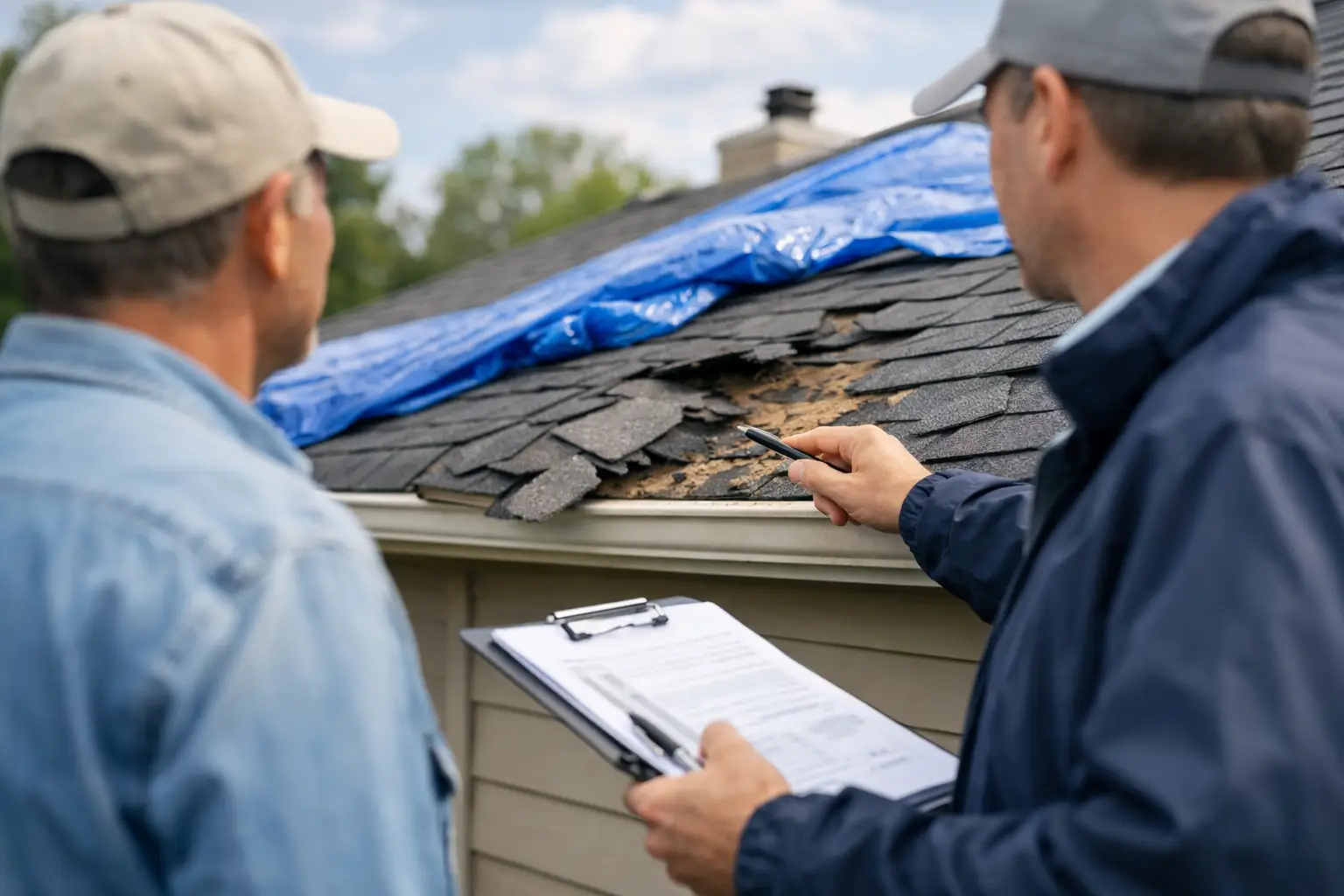
A roof claim usually starts with a stain on the ceiling, shingles in the yard, or a storm that rolled through overnight. When that happens, homeowners do not just need a repair estimate. They need insurance claim help for roof damage that keeps the process clear, documented, and moving in the right direction.
For homeowners in Memphis and surrounding communities, storm damage can be obvious or easy to miss. Wind may lift shingles without tearing them off. Hail can bruise materials in ways that shorten roof life months before a leak appears. That is why the first step is not guessing. It is getting a professional inspection and building the claim on real evidence.
When insurance claim help for roof damage actually matters
Not every roof issue should become an insurance claim. If a roof is simply old, worn out, or poorly maintained, insurance may not cover replacement. Most policies are designed to cover sudden and accidental damage, such as hail strikes, wind loss, or a tree impact after a storm. They are not there to pay for normal aging.
That distinction matters because many homeowners file too early, file without documentation, or assume visible wear is storm related. A better approach is to start with a detailed inspection from a contractor who understands both roofing systems and what adjusters look for. Good insurance claim help for roof damage is not about making promises no one can guarantee. It is about giving you a clear picture of what happened, what is likely covered, and what paperwork will support your claim.
In the Memphis area, where severe weather can move fast and hit neighborhoods unevenly, two homes on the same street may not have the same claim outcome. One roof may have enough damage to justify replacement, while another may only need spot repairs. Honest guidance is part of the process.
Start with documentation, not assumptions
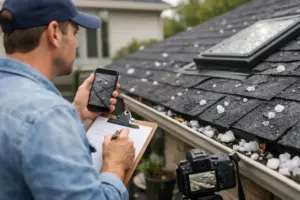
The strongest claims are built early. If your home was recently hit by wind or hail, take photos from the ground if it is safe to do so. Capture fallen shingles, dented gutters, damaged siding, water spots inside, and any debris from tree limbs. Write down the date of the storm and what you noticed right away.
Then schedule a professional roof inspection. A trained contractor can often identify soft metal impacts, shingle creasing, granule loss patterns, lifted tabs, flashing damage, and related exterior issues that homeowners are not expected to recognize. Just as important, they can separate true storm damage from age-related wear.
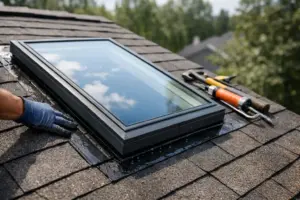
This is where a full-service exterior contractor brings real value. Roof claims often involve more than shingles. Gutters, siding, skylights, fascia, and interior leak signs may all be part of the same weather event. If damage extends beyond the roofline, it helps to work with one team that can inspect the whole exterior and give you a complete scope.
What the roof insurance claim process usually looks like
Most homeowners are surprised by how procedural a claim can be. Once damage is identified, you file a claim with your carrier and provide the basic information about the storm event and property condition. The insurance company then assigns an adjuster to inspect the home.
At that point, details matter. Your contractor should be prepared to share inspection findings, photo evidence, and a written estimate that reflects code-compliant work. If the adjuster misses an area of damage or under-scopes the repair, additional documentation may be needed. That does not always mean conflict. Sometimes it simply means the first inspection was limited or key components were not visible at the time.
A good contractor helps keep the process organized without turning it into a headache for the homeowner. That may include meeting the adjuster on site, reviewing the scope line by line, identifying overlooked items, and explaining how roof systems work together. Flashing, underlayment, ridge components, ventilation, and starter materials are not optional details. They affect performance, code compliance, and long-term protection.
Where claims often go wrong
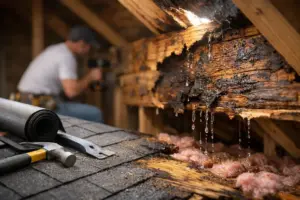
The biggest mistakes usually happen before the claim is fully reviewed. Some homeowners wait too long and allow temporary damage to become a larger issue. A small leak can turn into drywall damage, insulation problems, or mold concerns if it is not addressed promptly. Others sign agreements too quickly after a storm because someone knocked on the door and promised a free roof.
Speed matters after storm damage, but so does who you trust. A contractor offering insurance claim help for roof damage should be able to explain the inspection findings in plain language, provide an itemized estimate, and show proof of licensing, insurance, and workmanship standards. If answers feel vague, rushed, or overly aggressive, that is a warning sign.
Another common issue is assuming the insurance scope is automatically complete. Insurance paperwork is an important starting point, but it is not the final word on what proper restoration requires. If code upgrades apply, if manufacturer installation specifications require certain components, or if related exterior damage exists, those details should be documented and addressed before work begins.
The contractor’s role in insurance claim help for roof damage
A reputable contractor does not act as your insurance company, and they should not pretend to. Their role is to inspect accurately, communicate clearly, and help support the claim with facts. That includes identifying storm-related damage, preparing a professional estimate, meeting with the adjuster when appropriate, and completing the approved work to a high standard.
That support can make a stressful situation feel much more manageable. Homeowners are already balancing family schedules, work, and the uncertainty that comes with property damage. They should not also have to decode roofing terminology or wonder whether key repairs were left out.
At Precision Roofing & Exteriors, that support is designed to feel straightforward. Homeowners want fast response, respectful crews, written warranties, and a clean jobsite when the work is done. They also want confidence that someone is paying attention to the details before, during, and after the claim.
Why local experience matters in Memphis-area claims
Insurance is handled by national carriers, but roof damage is local. Memphis weather brings high winds, hail, heavy rain, humidity, and seasonal storm patterns that affect how roofing systems age and fail. A contractor who works in this market understands common damage patterns, local building expectations, and how to restore homes for this climate.
That local experience also matters because adjusters may not know your neighborhood the way a nearby contractor does. If one subdivision took a direct hail hit and another did not, someone familiar with the storm path can provide context. If older homes in Germantown or newer builds in Olive Branch have different roof configurations, that affects the inspection and the repair scope.
Homeowners also benefit from working with a local company that plans to be here after the job is complete. Warranty support, follow-up service, and accountability are stronger when your contractor has real roots in the community.
What homeowners should do while the claim is pending
Once the claim is underway, protect the home from further damage if temporary measures are needed. That may mean tarping an exposed section or addressing an active leak. Keep records of conversations, inspection dates, and any paperwork you receive from the carrier.
Try not to make decisions based only on the initial number you see. Insurance estimates can be revised if additional covered damage is documented properly. The goal is not to inflate the claim. It is to make sure the approved scope actually reflects what the home needs.
This is also the right time to ask practical questions. Will the replacement materials match the home well? Are ventilation upgrades needed? Will gutters or siding be affected during roofing work? If financing is needed for deductibles or non-covered improvements, it helps to discuss that early so there are no surprises.
A smarter way to approach a stressful repair
Roof claims are rarely fun, but they do not have to feel chaotic. The best results usually come from a simple approach – inspect thoroughly, document carefully, communicate clearly, and restore the home with workmanship you can trust.
If your roof may have storm damage, the right help is not just someone who can swing a hammer. It is a contractor who can show you what happened, explain what comes next, and protect your home without adding more stress to the situation. That kind of steady guidance can make all the difference when the weather has already done enough.