A roof leak rarely starts at a convenient time. It usually shows up during a thunderstorm, after a branch comes down, or late at night when water starts finding its way into your attic, ceiling, insulation, and walls. That is when an emergency roof tarping service becomes more than a temporary fix. It becomes the fastest way to protect your home from a small roofing problem turning into a much bigger and more expensive one.
For homeowners in Memphis and surrounding communities, storm damage is not a distant possibility. High winds, hail, heavy rain, and fallen limbs can tear shingles away, expose roof decking, and leave open areas where water can enter immediately. Waiting until the weather clears completely or until a full roof repair can be scheduled may sound reasonable, but every extra hour of exposure can add to interior damage, mold risk, and insurance headaches.
What an emergency roof tarping service actually does
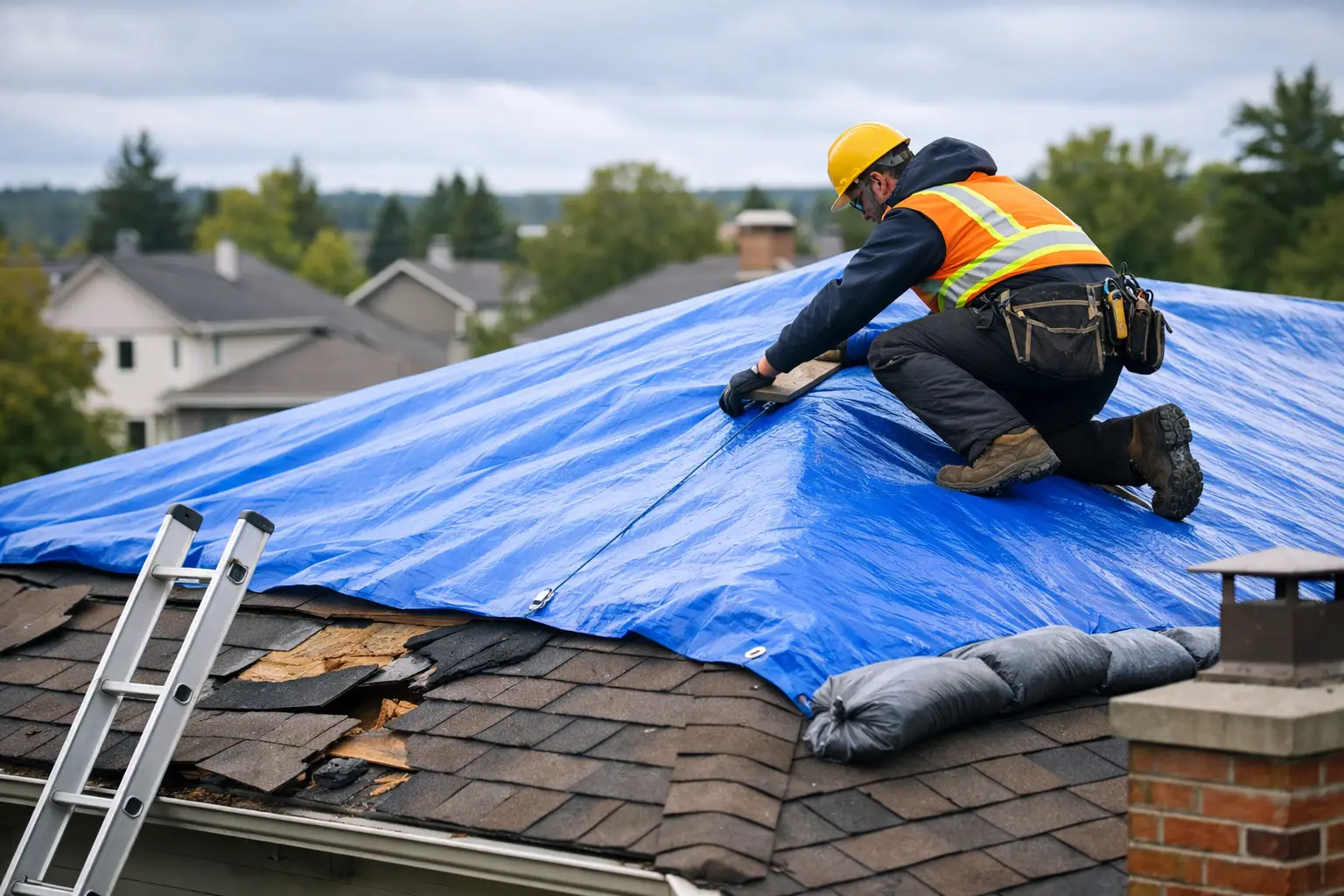
A professional tarp is designed to create a temporary weather barrier over a damaged section of the roof. The goal is simple – stop active water intrusion and stabilize the situation until permanent repairs or replacement can be completed.
That may sound straightforward, but proper tarping takes more than throwing a sheet over the roof and hoping for the best. The damaged area has to be assessed carefully. The tarp needs to extend far enough beyond the exposed section to redirect water effectively. It also has to be secured in a way that holds under wind and rain without causing unnecessary additional damage.
A well-installed tarp buys time. It protects roof decking, underlayment, attic insulation, drywall, flooring, furniture, and electrical components from further moisture intrusion. It also gives the roofing contractor time to inspect the full scope of damage and prepare a repair plan that makes sense for the home.
When to call for emergency roof tarping service
Some roof problems can wait a day or two for a standard inspection. Others cannot. If your roof has visible storm damage and your home is actively exposed to water, emergency response is the safer call.
Common situations include missing shingles after high winds, tree or limb impact, hail damage that breaks through roofing materials, flashing failure around roof penetrations, and visible holes caused by debris. Inside the home, signs can include ceiling stains that grow quickly, dripping water, wet attic insulation, bubbling paint, or light showing through the roof structure.
It depends on the extent of the damage, of course. A few lifted shingles on a dry forecast may not require after-hours service. But if the decking is exposed or water is already getting inside, delaying the response often costs more than acting quickly.
Why fast action matters more than most homeowners realize
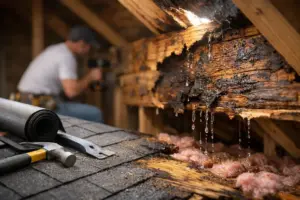
Roof damage does not stay neatly contained to one section of the house. Water moves. It runs along rafters, spreads into insulation, and can show up several feet away from the original opening. By the time you notice a stain on the ceiling, the moisture path may already be wider than expected.
That is one reason a temporary protective measure matters so much. The purpose of tarping is not to replace permanent roofing work. It is to limit the spread of damage while the next steps are being arranged.
This can also matter for insurance documentation. Many policies expect homeowners to take reasonable steps to prevent additional damage after a storm or accident. A prompt tarp installation shows that you acted to protect the property rather than allowing the condition to worsen.
What to expect during the emergency response
A professional emergency roofing visit should feel calm and organized, even when the situation is stressful. The crew should assess the visible damage, identify safety concerns, and determine the best way to secure the affected area.
If conditions are safe enough for roof access, the damaged section is covered with a tarp that is properly positioned and anchored. In some cases, additional temporary measures may be needed around flashing, ridge areas, or penetrations where water is entering. The contractor may also photograph the damage, note storm-related conditions, and explain what the next phase will look like.
Homeowners are often surprised by how much judgment goes into a temporary repair. A tarp installed too loosely can catch wind and fail. One installed too narrowly can let water run underneath. One installed without considering the roof slope or drainage pattern may shift the leak rather than stop it.
That is why this is not an ideal DIY job for most homeowners, especially during or after severe weather. Wet roofing surfaces are dangerous. Storm-damaged structures can be unstable. And a poorly secured tarp can create more problems than it solves.
Emergency roof tarping service is temporary, not optional
Some homeowners hear the word temporary and assume tarping is a shortcut. In reality, it is often the responsible first step.
A tarp is not the final repair, and a reputable contractor should be clear about that. It is a bridge between the emergency and the permanent solution. Depending on the weather, materials, and extent of damage, that bridge may need to hold for a short period while estimates, insurance communication, or product scheduling are handled.
The trade-off is simple. Tarping does not restore the roof system to full long-term performance, but it does reduce immediate risk. Skipping it when the roof is open can lead to soaked insulation, ruined ceilings, warped framing, and higher repair costs inside the home.
How storm damage inspections fit into the process
Once the home is protected, the next priority is understanding what happened and what it will take to fix it correctly. That means a thorough roof inspection, not just a glance at the area where the leak appeared.
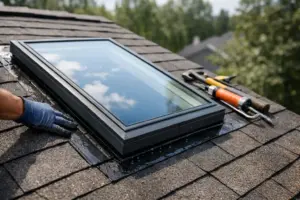
Storm damage often affects more than one roofing component. Shingles may be creased or torn. Flashing may be bent or lifted. Gutters, siding, skylights, and soffit areas may also show impact. If a tree strike or major wind event occurred, the structure beneath the surface may need closer evaluation.
This is where homeowners benefit from working with a contractor who can move from emergency response to a clear repair or replacement plan without creating extra confusion. Precision Roofing & Exteriors is built around that kind of straightforward process, helping homeowners move from urgent protection to lasting repairs with clear communication along the way.
Insurance questions homeowners often have
Many emergency tarping calls happen right after a storm, so insurance is usually part of the conversation. While coverage depends on your policy and the cause of loss, emergency mitigation is commonly viewed differently than elective work. The immediate goal is to protect the property from further damage.
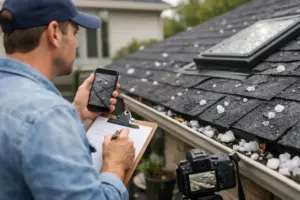
Good documentation helps. Photos of the damage, notes about when the issue was discovered, and records of the emergency service can all support the claim process. A contractor experienced with storm-related work can also help homeowners understand what information adjusters typically need.
It is worth remembering that not every roof issue is insurance-related. A leak caused by long-term wear, deferred maintenance, or age may fall outside storm coverage. That does not make the tarp any less necessary. It just changes how the permanent repair is handled.
Choosing the right contractor in an emergency
When water is coming in, speed matters. But speed without professionalism can create a second problem. Homeowners need a contractor who responds quickly and still follows a disciplined process.
That means proper roof assessment, safe installation practices, clear explanation of what is temporary and what comes next, and honest estimates for repair work. It also means respecting the property during a stressful moment – showing up when promised, documenting conditions carefully, and leaving the site as clean and secure as possible.
A local company is often better positioned for this kind of response because weather patterns, common storm damage, and neighborhood expectations are familiar territory. In the Memphis area, that local responsiveness can make a real difference after a fast-moving storm system.
What you can do before the crew arrives
If your roof is leaking, the first priority is safety. Move valuables out of the affected area if you can do so safely. Use buckets or towels to contain interior water. If water is near light fixtures or electrical systems, avoid the area and use caution.
Do not climb onto the roof yourself. Even a small damaged section can be slippery, unstable, or weaker than it looks. From the ground, you can take a few photos if conditions are safe, but the best next step is usually to call for professional help and keep the interior protected as much as possible.
There is a big difference between waiting and preparing. A calm, fast response now can spare you from a much larger repair later. When a storm opens your roof, the right temporary protection is not just about covering shingles. It is about protecting the home, the people inside it, and the peace of mind that comes with knowing the next step is already in motion.