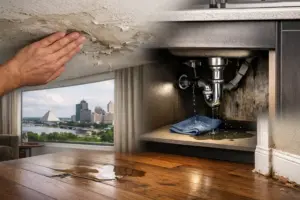
A roof rarely fails on a convenient schedule. It may be a water stain after a Memphis thunderstorm, shingles scattered across the yard, or the uneasy realization that your roof is approaching the end of its expected life. This homeowners guide to roof replacement is designed to help you make a clear, confident decision before a small concern becomes interior damage, mold, or a stressful emergency.
A roof replacement is a major investment, but it is also one of the most direct ways to protect your home, preserve its value, and improve its curb appeal. The right plan depends on your roof’s condition, the materials you choose, local weather exposure, and the quality of the installation itself.
When a Roof Replacement Makes More Sense Than a Repair
Not every roofing problem calls for a full replacement. A few missing shingles, a damaged pipe boot, or a localized leak can often be repaired if the rest of the roof is in good condition. Repairs are usually the practical choice when the roof is relatively new and damage is confined to one manageable area.
Replacement becomes the better long-term decision when issues are widespread or the roof is nearing the end of its service life. Asphalt shingle roofs commonly last about 20 to 30 years, though Memphis-area heat, humidity, wind, hail, and storm debris can shorten that timeline. The age of the roof matters, but its current condition matters more.
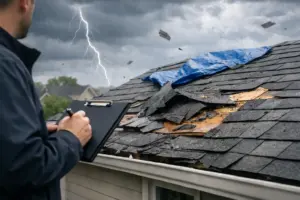
Look for curling, cracking, bald spots where granules have worn away, widespread discoloration, or shingles that lift easily in the wind. Sagging rooflines, soft decking, recurring leaks, and granules collecting in gutters are more serious warning signs. If repairs are becoming frequent, putting more money into an aging system may only delay a replacement you will need soon anyway.
A professional inspection gives you a more reliable answer than a view from the driveway. A qualified contractor can assess shingles, flashing, ventilation, penetrations, gutters, attic conditions, and the roof deck to identify whether the problem is isolated or systemic.
A Homeowners Guide to Roof Replacement Planning
The smoothest roof projects are planned before the first shingle is removed. Start by asking for an itemized estimate that clearly identifies the work included. A complete proposal should explain the roofing material, underlayment, flashing, ventilation components, drip edge, tear-off and disposal, decking allowances, labor, cleanup, and warranty coverage.
This level of detail protects you from surprises. For example, roofing estimates may include a certain allowance for replacing damaged decking found after tear-off. No contractor can always see concealed wood damage before the old roof comes off, but a professional should explain how that possibility will be documented and priced if it occurs.
You should also discuss timing. Roof replacement can often be completed in a day or two for a typical home, but larger roofs, steep slopes, complex architectural features, weather delays, and unexpected deck repairs can extend the schedule. A dependable contractor will communicate those variables early rather than promise an unrealistic completion date.
For many homeowners, financing can make a replacement more manageable. It can be useful when a roof has reached the end of its life but postponing the work increases the risk of leaks or storm-related damage. Review the terms carefully and choose a payment structure that supports your household budget without sacrificing necessary quality.
Choosing Materials for Memphis Weather
Asphalt shingles remain the most common choice for local homes because they provide a strong balance of appearance, durability, and cost. Architectural shingles offer more dimension and generally better wind performance than basic three-tab shingles. They are a dependable fit for many homeowners who want lasting protection without moving into premium specialty materials.
Impact-resistant shingles may be worth considering in areas that see frequent hail and wind-driven storms. They can provide added durability, although the higher upfront cost is not right for every budget. Ask about the specific impact rating, wind rating, manufacturer warranty, and whether your insurance carrier offers any available premium consideration.
The shingles are only one part of the roofing system. Quality underlayment helps manage wind-driven rain. Proper flashing protects vulnerable areas around chimneys, walls, valleys, skylights, and vents. Ridge vents and intake ventilation help control attic heat and moisture, which can support shingle performance and reduce strain on your home’s cooling system.
Color is another practical choice, not just a design decision. A darker roof can create a traditional look and complement many brick homes, while lighter tones may better suit certain exterior palettes and reflect more sunlight. Request to see actual shingle samples outdoors when possible. A color that looks right under showroom lighting can look very different in the bright Tennessee sun.
Understanding Roof Replacement Costs
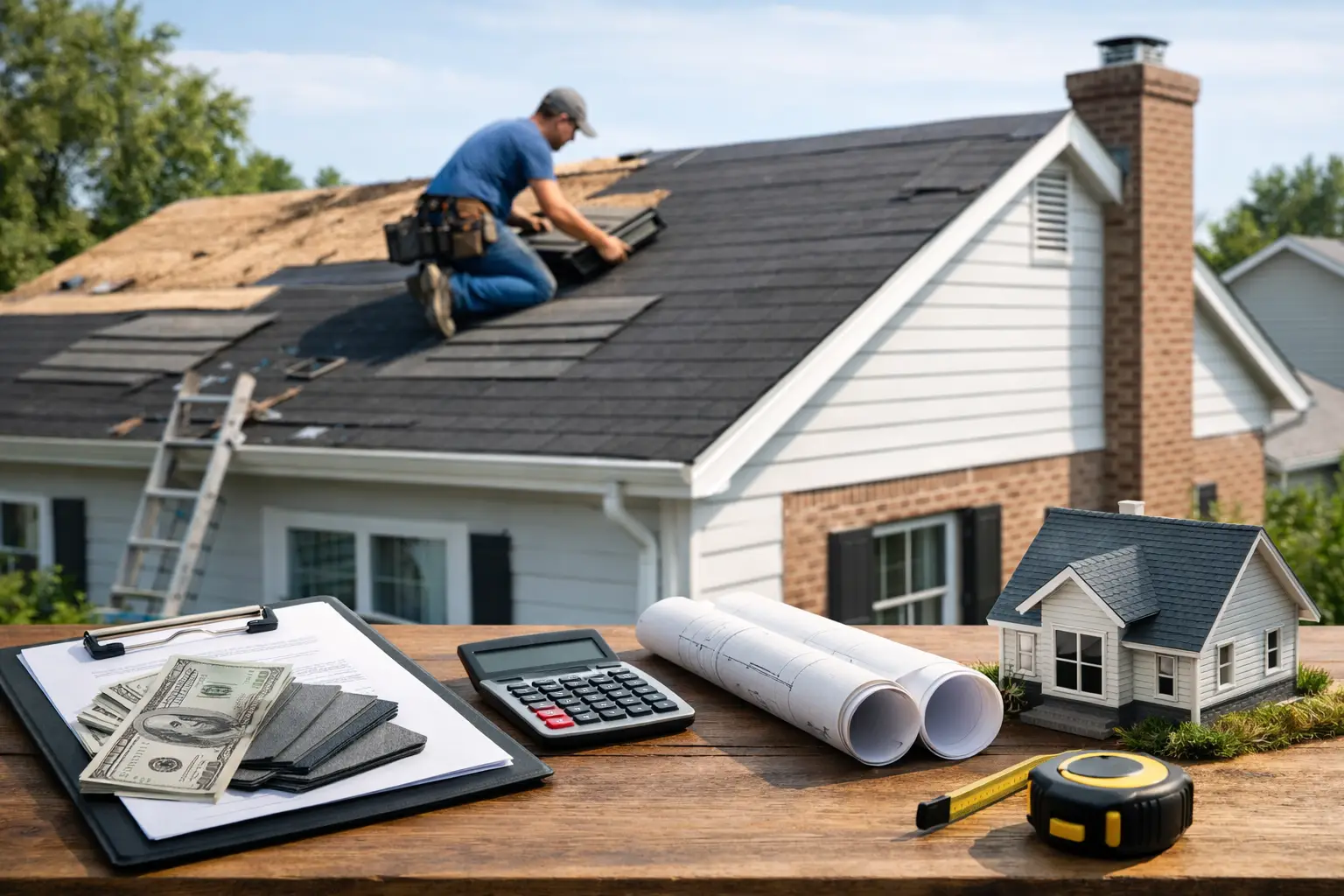
A roof replacement price is based on more than square footage. Roof size is the starting point, but complexity can significantly affect labor and materials. Multiple roof planes, valleys, steep pitches, dormers, skylights, chimneys, and difficult access all require additional time and careful installation.
Material selection also changes the total. Premium architectural or impact-resistant shingles cost more than entry-level options, while upgraded underlayment, ventilation, and flashing can add value and protection to the system. Removing multiple layers of old roofing, replacing damaged decking, or bringing an older home up to current code requirements may also affect the final cost.
The lowest bid is not always the best value. A price that leaves out critical components can create trouble later, especially around flashing, ventilation, cleanup, or workmanship coverage. Compare estimates line by line. Make sure each contractor is proposing a similar scope of work before deciding one number is meaningfully lower than another.
A well-installed roof can protect your home for decades. That is why certified crews, manufacturer-approved installation practices, appropriate permits, and written workmanship warranties deserve real consideration alongside the initial price.
What Happens During the Installation
A professional replacement should feel organized, not chaotic. Before work begins, your contractor should confirm material delivery, project timing, access needs, and the steps your family can take to prepare. Move vehicles out of the driveway, secure outdoor furniture and fragile items, and make arrangements for pets that may be sensitive to noise.
On installation day, the crew removes the old roofing materials, inspects the exposed deck, completes any approved repairs, and installs the new system in layers. That sequence typically includes underlayment, flashing, shingles, ridge components, and ventilation materials. Each detail matters because water usually enters at transitions and penetrations, not through the middle of a properly installed shingle field.
Roofing is loud, and there will be activity around the home. However, respectful crews work to protect landscaping, use catch systems where appropriate, and keep the jobsite controlled. At the end of the project, cleanup should include debris removal and magnetic sweeps for loose nails. A final walkthrough gives you the chance to review the work, ask questions, and understand your warranty documentation.
Handling Storm Damage and Insurance Claims
If a storm has damaged your roof, document what you can safely see from the ground. Take photos of fallen shingles, damaged gutters, visible dents, or interior water stains. Then arrange an inspection promptly. Waiting can allow a small opening to become a larger leak, particularly when more rain is on the way.
Insurance may cover qualifying sudden storm damage, but coverage depends on your policy, deductible, roof age, and the cause of loss. Normal wear and aging are generally not treated the same as hail or wind damage. A reputable roofing contractor can help document observed damage and explain the restoration scope, but your insurance company makes the final coverage decision.
Avoid signing paperwork you do not understand or allowing a contractor to make promises about claim approval. Clear documentation, honest communication, and a detailed estimate put you in the strongest position to make informed decisions.
The Questions That Build Confidence
Before choosing a contractor, ask who will perform the work, whether crews are trained and insured, and how the company handles permits, code requirements, cleanup, and workmanship concerns. Ask for the warranty terms in writing. Manufacturer material warranties and contractor workmanship warranties are different protections, and you should understand both.
It is also reasonable to ask how the contractor will communicate if weather interrupts the job or hidden damage is uncovered. Homeowners deserve timely answers, a clean jobsite, and no pressure to approve vague extras. Precision Roofing & Exteriors believes a replacement should be explained clearly from inspection through final walkthrough, because confidence is part of quality service.
Your roof works hardest when storms arrive, not when you are thinking about it. If its condition is uncertain, an honest inspection now can give you the information and breathing room to protect your home on your terms.