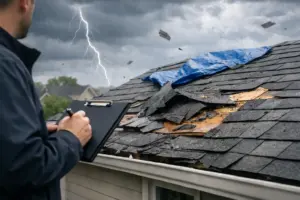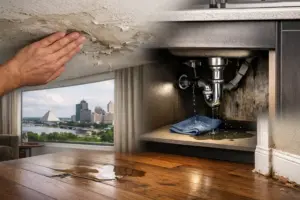

After a Memphis-area storm, a few lifted shingles or a water spot on the ceiling can create a much bigger question: Is this an insurance claim, and what should happen first? This guide to filing roof insurance claims helps homeowners protect the property, preserve the evidence, and move through the process without rushing into costly decisions.
A roof claim is not automatically approved because a roof is old, leaking, or needs replacement. Insurance typically responds to a covered, sudden event – such as wind, hail, or a fallen tree – subject to your policy terms, exclusions, deductible, and coverage limits. The strongest claims are supported by clear documentation and a timely, organized process.
Start Safe and Prevent Further Damage
Do not climb onto a roof after a storm. Wet shingles, hidden structural damage, loose debris, and downed power lines can turn a property concern into an emergency. From the ground, look for obvious signs such as missing shingles, bent gutters, damaged flashing, fallen limbs, or debris around the home.
If water is entering the house, take reasonable steps to limit additional damage. Move furniture and valuables, place containers under active drips, and use a tarp or temporary covering when it can be done safely by a qualified professional. Keep receipts for reasonable emergency mitigation work. Most policies require homeowners to protect the property from further loss, but temporary repairs should not erase the evidence of the original damage.
If there is a major opening in the roof, a large tree impact, or active electrical risk, treat it as an emergency. A prompt professional response can help stabilize the home while preserving a clear record of what occurred.
Document Damage Before Repairs Begin
Good documentation makes the adjuster’s visit more productive and gives you a reliable record if questions arise later. Take photos and video from safe locations before cleanup begins. Capture wide shots of each side of the home as well as close-ups of damaged areas.
Your file should include the date and approximate time of the storm, screenshots or notices of local weather activity if available, and notes about what you observed. Photograph interior staining, damaged drywall, wet insulation, or water-damaged belongings too. Exterior storm damage and interior leaks can be connected, but an adjuster will need to evaluate the cause.
Keep a simple log of every conversation. Write down the name of the insurer representative, claim number, date, and a short note about what was discussed. Save emails, estimates, invoices, and receipts in one folder. This level of organization is especially helpful after widespread hail or wind events, when claims teams may be handling a high volume of inspections.
Review Your Policy and Report the Loss Promptly
Before calling, locate your declarations page and policy documents. You do not need to become an insurance expert, but you should know your deductible, whether your roof is covered on an actual cash value or replacement cost value basis, and whether the policy has special limits for wind or hail.
Actual cash value coverage generally accounts for depreciation. Replacement cost value coverage may allow recoverable depreciation after qualifying repairs are completed and documented. The details vary by policy, and coverage may also depend on the age and material of the roof. Ask your carrier to explain the claim process and any deadlines in writing if something is unclear.
Report suspected storm damage promptly. Waiting can make it harder to distinguish storm-related damage from normal wear, previous leaks, or later events. When you open the claim, describe the date of loss and the damage you observed without guessing about the full scope or promising a repair plan. The carrier should provide a claim number and explain next steps.
A Guide to Filing Roof Insurance Claims With an Adjuster
The insurance adjuster works for the carrier and evaluates the reported loss under the policy. Your contractor serves a different role: documenting observable conditions, explaining repair or replacement needs, and preparing a detailed scope based on the property. Those roles can overlap during an inspection, but they are not the same.
It is often helpful to have a knowledgeable roofing professional present when the adjuster inspects the roof. This allows the contractor to point out documented damage, discuss code-related installation requirements, and compare the carrier’s scope with the work required to restore the system properly. It does not guarantee coverage, and no contractor can approve a claim for you.
Before the appointment, provide the adjuster with your photos, dates, and any temporary repair receipts. Be available to answer factual questions. Avoid signing documents you do not understand, particularly an assignment of benefits or a contract that gives another party control over insurance proceeds. A reputable contractor should explain its agreement clearly and give you time to review it.
Read the Estimate, Not Just the Settlement Number
When the carrier issues an estimate, review the line items carefully. The first payment is not always the final amount available under a replacement cost policy. It may reflect your deductible and depreciation, with additional funds released after completed work and final documentation.
Compare the insurance scope with the contractor’s itemized estimate. Look beyond the shingle count. A complete roof system can involve tear-off, underlayment, flashing, ventilation, drip edge, pipe boots, starter materials, ridge components, cleanup, and disposal. If the estimate omits work needed for a code-compliant installation or misses documented storm damage, your contractor may provide supporting information for the carrier’s review.
There can be legitimate differences between estimates. Some items may be covered, some may be excluded, and some may be required only if conditions are discovered during tear-off. Ask clear questions: What is included? What is excluded? Which amount is my deductible? Is depreciation recoverable? What documentation is needed to request a supplement?
A supplement is not a red flag by itself. It is a request for additional consideration when concealed damage, omitted items, or required work is identified and supported. It should be documented and submitted through the proper process, not treated as a reason to inflate a claim.
Choose a Contractor Based on More Than a Promise
Storm season can bring aggressive door-to-door sales tactics. Be cautious of anyone who promises a “free roof” or offers to cover or waive your deductible. Deductibles are part of your insurance responsibility, and attempts to hide them through inflated invoices or questionable paperwork can create serious problems.
Choose a local contractor with a verifiable business presence, appropriate licensing and insurance, written estimates, manufacturer-certified installation where applicable, and workmanship warranty information. Ask how the crew will protect landscaping, manage cleanup, address unexpected deck damage, and document completion for depreciation release.
For homeowners who want one clear point of contact, Precision Roofing & Exteriors can provide a professional inspection, detailed repair or replacement estimate, and practical claim documentation support. The goal is not to pressure you into a claim. It is to give you an honest assessment of the roof and a straightforward path forward.
What to Do if the Claim Is Denied or Underpaid
A denial does not always mean the conversation is over. First, request the decision and the supporting explanation in writing. Review the cited policy language, the inspection findings, and the estimate. Then compare those materials with your photos and contractor documentation.
If you believe damage was missed or the scope does not reflect necessary covered work, ask your carrier about reconsideration or supplemental review. Your policy may also describe dispute options, such as appraisal, though that process has costs and limits. For complicated coverage disagreements, especially where policy interpretation is central, consider speaking with a qualified insurance professional or attorney.
Do not ignore deadlines while you gather information. Keep communication professional, factual, and documented. A calm paper trail is more useful than repeated phone calls without records.
A roof insurance claim can feel personal because your home is personal. Take the next right step: protect the property, document what you see, get a qualified inspection, and ask for every decision in writing. That approach gives you the clarity to repair your home with confidence, whether the claim is approved in full, adjusted, or not the right fit for your situation.