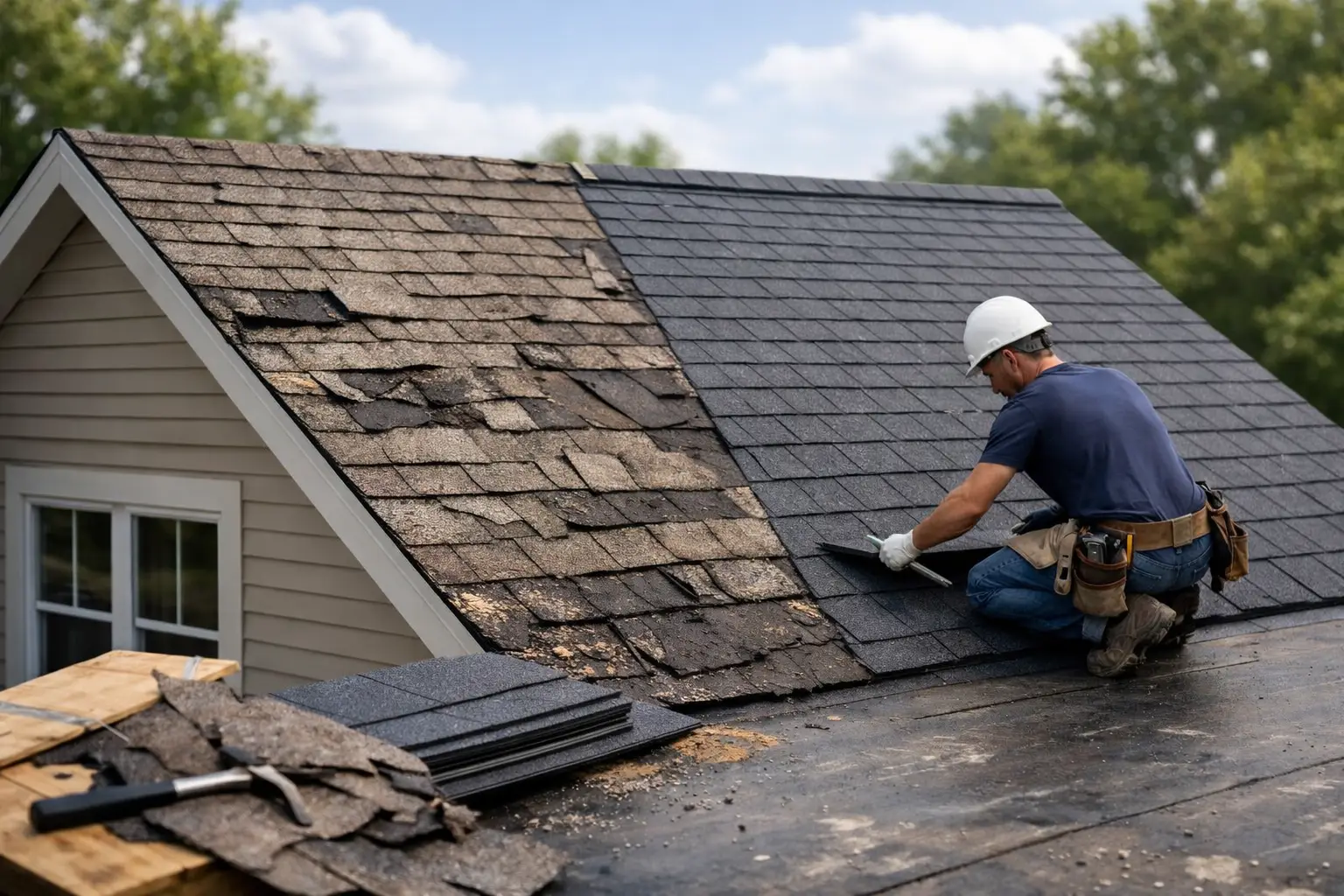
A roof rarely fails all at once. More often, homeowners start noticing small signs – a water stain near the ceiling, shingles in the yard after a storm, or dark streaks that were not there last season. If you are wondering when to replace a roof, the right answer usually comes down to a mix of age, visible wear, storm history, and how much risk you are willing to carry.
In the Memphis area, that decision matters more than many homeowners expect. Heat, humidity, strong wind, hail, and sudden storm activity can shorten a roof’s useful life. Waiting too long can turn a manageable project into interior water damage, decking repairs, insulation issues, and insurance headaches. Replacing too early, on the other hand, can mean spending money before you truly need to.
When to replace a roof based on age
Age is one of the clearest starting points, but it is not the only factor. A standard asphalt shingle roof often lasts around 20 to 30 years, depending on product quality, attic ventilation, installation standards, and weather exposure. Architectural shingles may last longer than basic three-tab shingles, while premium roofing systems can perform well beyond that range if they were installed correctly.
That said, two roofs installed in the same year can age very differently. A roof that has taken repeated storm hits, poor ventilation, or subpar workmanship may need replacement years earlier than expected. Another may still be in solid shape even as it approaches the upper end of its projected lifespan.
If your roof is more than 15 years old, it is wise to pay closer attention. If it is over 20 years old and showing multiple signs of wear, replacement should be part of the conversation. If it is pushing 25 years or more, repairs often become a short-term solution rather than a cost-effective plan.
The warning signs that usually mean replacement is near
Some roof issues can be repaired cleanly. Others signal that the whole system is wearing out. The difference matters.
Curling, cracking, or missing shingles are often among the first visible clues. A few damaged shingles after a storm may be repairable. But if those problems are spread across multiple slopes, it usually points to broader aging. Granule loss is another common sign. When asphalt shingles start shedding large amounts of granules, they lose the protective layer that helps them stand up to sun and weather.
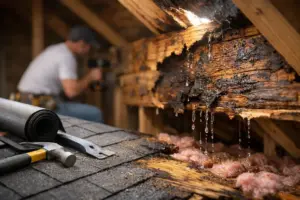
Leaks also deserve careful attention. One isolated leak around flashing may not mean full replacement. But repeated leaks in different areas, water stains that keep returning, or moisture in the attic can indicate system-wide failure. By that stage, patching one section often leads to another call a few months later.
Sagging is more serious. If you notice dips in the roofline, soft spots underfoot, or signs of trapped moisture affecting the decking, the issue may go beyond the shingles. That is when delaying action can become expensive quickly.
Moss, algae, and staining do not always mean a roof needs replacement, but they should not be ignored. Sometimes the issue is cosmetic. Sometimes it reflects moisture retention and premature aging. A professional inspection helps separate appearance from actual performance.
Storm damage can change the timeline fast
Many Memphis-area homeowners do not replace a roof because of old age alone. Storm damage is often what forces the decision.
High winds can break the seal on shingles, lift edges, or tear sections loose entirely. Hail can bruise shingles in ways that are easy to miss from the ground but serious enough to shorten the roof’s lifespan. Even if the roof is not actively leaking right after a storm, hidden damage can weaken the system and create problems later.
This is where timing gets tricky. A roof may look mostly fine to a homeowner but still have enough storm-related damage to justify replacement, especially if repairs would affect a wide area or create mismatched sections. In some cases, insurance may cover replacement when the damage is properly documented.
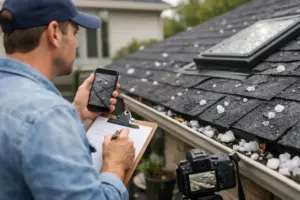
That is why a post-storm inspection matters. It gives you a clear picture before minor damage becomes a larger problem, and it helps you make a decision based on evidence instead of guesswork.
Repair or replace? The real decision points
Homeowners often ask the same fair question: can this roof be repaired, or is it time to replace it?
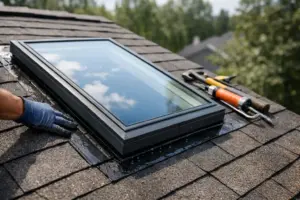
A repair usually makes sense when the damage is limited, the roof still has solid remaining life, and the problem is tied to a specific event or area. For example, replacing a few shingles, resealing flashing, or addressing one leak around a vent boot can be a practical fix.
Replacement becomes the smarter option when problems are widespread, recurring, or tied to general roof aging. It also makes sense when repairs start stacking up. If you have paid for multiple fixes in the last couple of years, those invoices can quietly add up to a significant share of replacement cost without giving you the confidence of a new system.
There is also the issue of match and integrity. On older roofs, new materials may not blend well with the existing roof, and repairs may only extend life for a short time. In those cases, replacement often gives better long-term value, stronger weather protection, and warranty coverage that patchwork repairs cannot.
How Memphis weather affects when to replace a roof
Our local climate is hard on roofing materials. Long stretches of sun and heat can dry out shingles and accelerate granule loss. Humidity can contribute to moisture-related wear, especially where ventilation is poor. Then storm season brings wind, driving rain, and hail into the mix.
That combination means homeowners in Memphis, Germantown, Eads, Oakland, Somerville, Atoka, Southaven, and Olive Branch need to think less about a perfect number of years and more about actual roof condition. A roof that might last longer in a milder climate can wear out faster here.
It also means inspections are not just for emergency situations. A routine inspection can catch lifted shingles, flashing issues, or storm impacts before they create interior damage. For many homeowners, that is the difference between a planned replacement and an urgent one.
What happens if you wait too long
Putting off replacement is understandable. A new roof is a major investment, and most homeowners want to get every safe year they can from the current one. But waiting too long usually costs more than acting at the right time.
Leaks can damage ceilings, walls, insulation, and flooring. Moisture in the attic can affect ventilation performance and create conditions for mold growth. Damaged decking can turn a straightforward roofing project into a larger structural repair. Even energy efficiency can suffer when the roofing system is no longer performing as it should.
There is a financial side, too. If damage worsens because a roof was already in poor condition, insurance coverage can become more complicated. And if a replacement becomes urgent after a major failure, you lose the advantage of planning around budget, scheduling, and material choices.
How to know for sure
The most reliable way to decide when to replace a roof is with a professional inspection from a contractor who will tell you the truth, not just sell the biggest project. A good inspection should look at the shingles, flashing, ventilation, decking condition, leak indicators, and storm-related damage. It should also explain what is urgent, what can wait, and what options make the most sense for your home.
That clarity matters. Sometimes the right answer is a repair and a plan to monitor the roof for another season or two. Sometimes replacement is the clear safer move. The key is understanding the condition of the full system, not just the one spot that caught your attention.
For homeowners who want a low-stress process, this is also where working with an experienced local contractor helps. Precision Roofing & Exteriors focuses on giving homeowners clear recommendations, itemized estimates, and workmanship that protects the home for the long run. When replacement is necessary, a clean installation, proper ventilation, code-compliant details, and strong warranty coverage all matter just as much as the shingles themselves.
If your roof is aging, showing visible wear, or has been through recent storm activity, it is worth getting answers before the next heavy rain makes the decision for you. A timely inspection gives you options, and options are what keep homeownership from turning into a scramble.