A sunny Memphis afternoon can make a room beside an older window feel noticeably hotter than the rest of the house. In winter, that same window may feel cold to the touch, create a draft, and leave your HVAC system working longer than it should. So, do new windows lower energy bills? Often, yes – but the size of the savings depends on the condition of your current windows, the products you choose, and the quality of the installation.
New windows are not a magic fix for every high utility bill. A poorly insulated attic, leaking ductwork, an aging HVAC system, or gaps around doors can also waste energy. Still, replacing worn-out, single-pane, drafty, or damaged windows can make a meaningful difference in comfort and efficiency for many Mid-South homes.
How Do New Windows Lower Energy Bills?
Windows are one of the few parts of a home’s exterior that must provide light, views, ventilation, and a weather barrier at the same time. When an older window no longer seals properly or has outdated glass, outdoor heat and conditioned indoor air can move through it more easily.
During Memphis summers, sunlight and outdoor heat can pass through inefficient glass and raise indoor temperatures. Your air conditioner then has to run longer to hold the thermostat setting. In cooler weather, heat from inside the home can escape through thin glass, worn weatherstripping, or gaps around the frame. Replacing those weak points helps reduce the load placed on your heating and cooling equipment.
Modern energy-efficient windows generally improve performance in several ways. Insulated glass units use two or more panes separated by a sealed airspace. Low-emissivity, or Low-E, coatings help manage heat transfer while still allowing natural light into the room. Quality frames, weatherstripping, and properly fitted sashes help limit air leakage around the opening.
The result is not just a lower number on a utility statement. It can also mean fewer hot spots near west-facing windows, less noticeable winter chill, reduced condensation, and a more consistent temperature from room to room.
The Savings Depend on What You Are Replacing
The biggest energy improvement usually comes when a homeowner replaces windows that are clearly underperforming. Single-pane windows, windows with failed seals, warped frames, cracked glass, rotted wood, or sashes that no longer close tightly are common examples.
If your existing windows are relatively new double-pane units in good condition, the energy savings from replacement may be modest. In that situation, a repair, new weatherstripping, or addressing another source of energy loss may make better financial sense. An honest assessment should look at the entire opening rather than treating window replacement as the answer to every comfort concern.
Homeowners should also set realistic expectations. Energy-efficient windows can lower heating and cooling costs, but they rarely cut a home’s total energy bill in half on their own. Your actual results are affected by window size and direction, shade from trees or porches, thermostat habits, insulation levels, the age of your HVAC system, and local utility rates.
For a home with older, leaky windows, the improvement can be substantial enough to notice over time. For another home, the strongest value may be improved comfort, quieter rooms, easier operation, stronger curb appeal, and protection against moisture intrusion – with energy savings as an added benefit.
Why Window Direction Matters in Memphis
Not every window takes the same beating from the sun. South- and west-facing windows often receive intense afternoon exposure, especially where there is little shade. Those openings can be major sources of solar heat gain during a long Tennessee summer.
The right glass package can help control that heat without making the room dark. A contractor should consider the direction of the home, surrounding shade, and how each room is used. A bedroom that gets afternoon sun may need a different performance priority than a shaded front room.
What Window Ratings Should Homeowners Look For?
Product labels can feel technical, but a few ratings provide useful guidance. The goal is not to chase the lowest or highest number without context. It is to select windows suited to your home and climate.
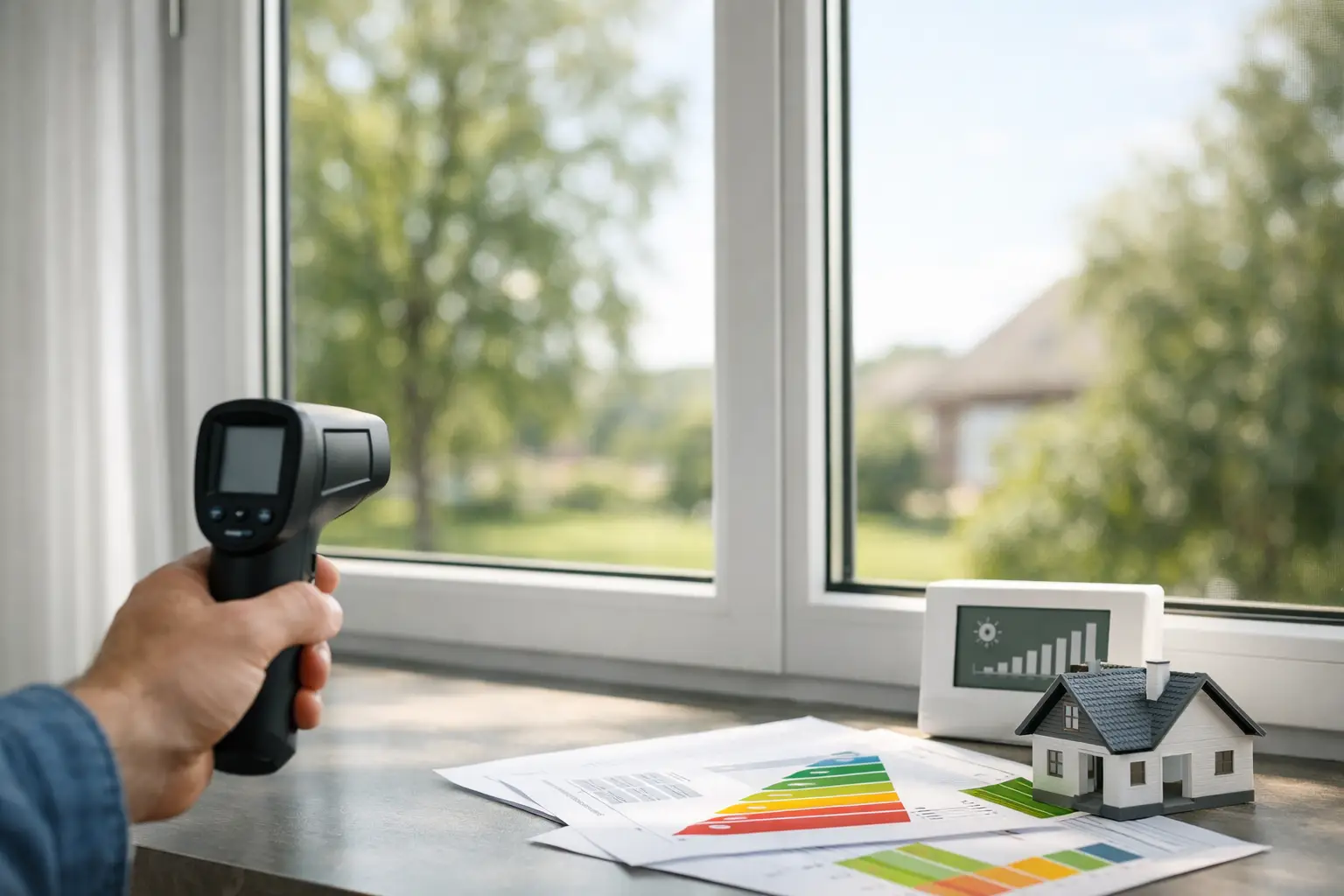
U-factor measures how readily a window transfers heat. Lower numbers generally indicate better insulation performance. Solar heat gain coefficient, often shortened to SHGC, indicates how much solar heat passes through the window. In a hot, humid climate, a lower SHGC can help reduce unwanted heat gain, particularly on sunny exposures.
Air leakage ratings also matter. Even high-performance glass cannot do its job if moving air can slip around the sashes or frame. Look for windows built with durable weatherstripping and reliable locking systems that pull the sash tightly into place when closed.
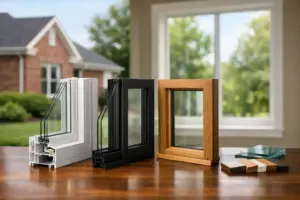
The frame material deserves attention as well. Vinyl, fiberglass, wood, and composite options each have different costs, maintenance needs, appearance choices, and thermal performance. There is no one right frame for every property. The best choice balances efficiency, durability, architectural style, budget, and the condition of the existing openings.
Installation Is Just as Important as the Window
A premium window installed carelessly can still leak air and water. That is why the installation process matters as much as the product itself.
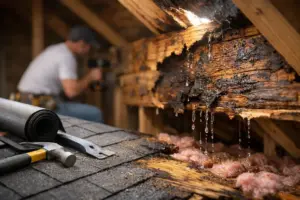
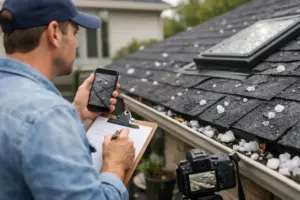
Before installation begins, the contractor should inspect the opening for signs of rot, water damage, failed flashing, or structural concerns. Simply placing a new window over a damaged opening can hide a problem temporarily while allowing it to worsen behind the trim.
A professional installation includes careful measurement, proper leveling and fastening, insulation around the window frame, exterior sealing where appropriate, and trim work that directs water away from the wall assembly. The final window should open, close, lock, and operate smoothly. It should also look clean from both inside and outside the home.
At Precision Roofing & Exteriors, energy-efficient window work is approached as part of the home’s full exterior protection system. Windows, siding, roofing, gutters, and flashing all work together to manage water, air, and heat. Looking at those components together can prevent a homeowner from spending money on one upgrade while a nearby issue continues to affect comfort or durability.
Signs Your Current Windows May Be Costing You
Some window problems are obvious, while others show up gradually in comfort and utility usage. If you notice several of the following issues, it may be time for a closer inspection:
- Drafts, rattling, or movement when the window is closed
- Fogging or moisture trapped between panes of glass
- Rooms that stay unusually hot in summer or cold in winter
- Peeling paint, soft wood, stains, or visible deterioration around the frame
- Windows that stick, will not lock, or are difficult to open and close
- Condensation that repeatedly forms on the interior glass or surrounding trim
These symptoms do not always mean replacement is required, but they are worth investigating. Moisture damage around a window can lead to more expensive repairs if it is ignored, especially when it affects surrounding siding, trim, or wall materials.
When New Windows Are Worth the Investment
Window replacement tends to make the most sense when homeowners are dealing with a combination of age, visible deterioration, comfort problems, and poor energy performance. It can also be a smart time to replace windows during larger exterior work, such as siding replacement, because the contractor can inspect and properly integrate the surrounding weather barrier.
Budget matters, too. Replacing every window at once is not the only path forward. Some homeowners start with the most damaged openings, the rooms with the greatest heat gain, or the windows that no longer operate safely. A phased plan can spread out the investment while addressing the most urgent concerns first.
Ask for a clear, itemized estimate that explains the window type, glass package, installation scope, warranty coverage, and any repairs needed around the openings. A lower price can be tempting, but it may not include the careful preparation and finishing work that helps a new window perform for years.
The right replacement windows should make your home feel more comfortable on the hottest Memphis afternoons and the coldest winter mornings. If your current windows are drafty, damaged, or overdue for replacement, a professional inspection can help you identify whether new windows are likely to lower energy bills and protect your home for the long term.